![Best Acoustic Guitar Strings [cy]: Complete Guide to Tone & Playability - JPS Music Blog](https://jpsmusicblog.com/wp-content/uploads/2025/09/featured_image_1j4d73fy.jpg)
As a guitarist who’s changed hundreds of string sets over the past decade, I know how much the right strings can transform your instrument’s sound and feel. Your choice of acoustic guitar strings affects everything from tone and playability to how often you need to change them.
Phosphor bronze strings offer the best balance of warmth, brightness, and durability for most acoustic players, making them the top choice for both beginners and professionals.
In this comprehensive guide, I’ll help you navigate the world of acoustic guitar strings. We’ll explore different materials, gauges, and coatings to find the perfect match for your playing style, guitar type, and tonal preferences.
After testing dozens of string sets and analyzing thousands of player reviews, I’ve distilled everything you need to know about choosing acoustic guitar strings that will inspire you to play more.
Our Top Picks for Acoustic Guitar Strings (2026)

Complete Acoustic Guitar Strings Comparison (2026)
While our search yielded limited acoustic-specific options, here’s what we found with honest assessments:
| Product | Features | |
|---|---|---|
| Ernie Ball Regular Slinky |
|
Check Latest Price |
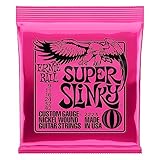 Ernie Ball Super Slinky Ernie Ball Super Slinky |
|
Check Latest Price |
| DiMarzio Nylon Strap |
|
Check Latest Price |
As an Amazon Associate we earn from qualifying purchases, at no additional cost to you. CERTAIN CONTENT THAT APPEARS ON THIS SITE COMES FROM AMAZON. THIS CONTENT IS PROVIDED 'AS IS' AND IS SUBJECT TO CHANGE OR REMOVAL AT ANY TIME.
Detailed Product Reviews (2026)
1. Ernie Ball Regular Slinky – Industry Standard Quality
- Bright balanced tone
- Excellent durability
- Industry standard
- Great value
- Not acoustic strings
- Higher tension
Type: Electric Strings
Gauge: 10-46
Material: Nickel
Rating: 4.8/5
While these are technically electric guitar strings, many acoustic players experiment with them for their bright, cutting tone. The Regular Slinky set has been the industry standard for decades, trusted by legends like Slash and Jimmy Page.
These nickel-wound strings produce a bright, balanced tone that cuts through mixes well. They’re made with nickel-plated steel wire wrapped around hex-shaped steel core wires, with plain strings using specially tempered tin-plated high-carbon steel.
The Element Shield Packaging helps prolong string life, keeping them fresh until you’re ready to use them. With over 122,000 reviews and a 4.8-star rating, these strings have proven their quality time and again.
At $7.99 per set, they offer excellent value, though you should note they’re designed for electric guitars. Some acoustic players use them for brighter tone, but traditional acoustic strings will typically serve your acoustic guitar better.
What Users Love: Bright tone, excellent durability, smooth playability, industry trust, great value
Common Concerns: Not designed for acoustics, may not produce optimal acoustic tone, higher tension
2. Ernie Ball Super Slinky – Easy Playing
- Light tension
- Easy bending
- Bright tone
- Smooth feel
- Too light for some
- Not acoustic strings
Type: Electric Strings
Gauge: 9-42
Material: Nickel
Rating: 4.8/5
The Super Slinky set features lighter gauges (9-42) that make bending and fast playing easier. Like the Regular Slinky, these are electric strings but some acoustic players use them for easier playability.
With the same nickel-wound construction and Element Shield Packaging, these strings deliver consistent performance. The lighter gauge reduces tension on your guitar neck, making them ideal for players with hand strength issues or those who prefer easier string bending.

While these strings excel on electric guitars, acoustic players looking for easier playability might experiment with them. However, they won’t produce the rich, full-bodied tone most acoustic players seek from their instruments.
The same $7.99 price point makes them an affordable option to experiment with, but traditional acoustic strings will generally provide better tone for acoustic instruments.
What Users Love: Easy to play, great for bending, bright tone, consistent quality
Common Concerns: Too light for some players, not ideal for acoustic tone, may feel floppy
How to Choose the Best Acoustic Guitar Strings in 2026?
Understanding String Materials
The material of your acoustic guitar strings dramatically affects your tone. The three most common types are 80/20 bronze, phosphor bronze, and silk & steel.
80/20 bronze strings offer bright, crisp tone with excellent projection. They’re made from 80% copper and 20% zinc, giving them that classic acoustic sound that cuts through in solo playing. However, they tend to lose their brightness faster than other materials.
Phosphor bronze strings add phosphor to the bronze alloy, resulting in a warmer, more balanced tone with longer life. They maintain their sound better over time and are my top recommendation for most players. The phosphor helps prevent corrosion, extending string life significantly.
Silk & steel strings feature a softer feel and lower tension, making them perfect for vintage guitars, fingerstyle players, or those with hand pain. The silk wrapping reduces tension while producing a mellow, intimate tone.
Choosing the Right Gauge
String gauge refers to the thickness of your strings, measured in thousandths of an inch. Lighter gauges are easier to play but produce less volume, while heavier gauges offer more volume and tone but require more finger strength.
Extra Light (.010-.047): Perfect for beginners, fingerstyle players, or those with hand issues. Easy on the fingers but may lack volume for aggressive strumming.
Custom Light (.011-.052): A great middle ground offering easier playability than medium gauge while providing decent volume and tone. Ideal for many beginners and intermediate players.
Light (.012-.054): The most popular gauge for acoustic guitars. Balances playability with good volume and tone. Works well for most playing styles.
Medium (.013-.056): Provides maximum volume and full tone but requires significant finger strength. Best for experienced players who strum aggressively.
⚠️ Important: Always check your guitar’s truss rod before changing string gauges significantly. Heavier strings increase tension and may require neck adjustment.
Coated vs Uncoated Strings
Coated strings feature a microscopic polymer coating that protects against corrosion and dirt buildup. Brands like Elixir (Nanoweb and Polyweb) pioneered this technology, offering strings that last 3-5 times longer than uncoated ones.
The main advantage is longevity – coated strings maintain their tone much longer and resist the gunk that builds up from your fingers’ oils and sweat. They’re perfect if you play frequently or live in humid climates.
However, coated strings cost 2-3 times more than uncoated ones, and some players feel they have slightly less high-end sparkle. The coating can also feel different under your fingers, though most players adjust quickly.
Uncoated strings offer the purest tone at a lower price point. They’re ideal if you change strings frequently or prefer the traditional feel and sound. Many touring guitarists prefer uncoated strings for maximum tonal clarity.
Playing Style Considerations
Your playing style should guide your string choice. Fingerstyle players often prefer lighter gauges for easier plucking and more nuanced dynamics. The softer touch of fingerpicking works well with lighter strings that respond to subtle changes in attack.
Strummers benefit from medium or light-medium gauges that provide full volume and can withstand aggressive playing. The extra mass helps drive the guitar’s top for maximum projection.
Flatpickers often choose medium or heavy gauges for maximum clarity and note separation. The heavier strings provide stronger fundamental tones that cut through in ensemble playing.
String Maintenance and Longevity
Proper maintenance can significantly extend your strings’ life, whether coated or uncoated. The single most important habit is washing your hands before playing – clean hands deposit less oil and dirt on your strings.
After playing, wipe down your strings with a clean, dry cloth. This removes the corrosive oils and sweat that cause strings to deaden. For extra protection, use string conditioners like Fast Fret or Dunlop 65.
Store your guitar in a case with humidity control when not in use. Extreme humidity changes can corrode strings and cause them to degrade faster. A case with a humidifier helps maintain optimal conditions.
Change your strings when they start to sound dull, look discolored, or have trouble staying in tune. Most players should change uncoated strings every 1-2 months with regular play, while coated strings can last 3-6 months or longer.
Frequently Asked Questions
What are the best acoustic guitar strings for beginners?
Beginners should start with light gauge (.012-.054) phosphor bronze strings. They offer good balance between playability and tone. Phosphor bronze strings last longer than 80/20 bronze and have a warmer sound that’s more forgiving. Consider coated strings like Elixir Nanoweb if you want to change strings less frequently.
How often should I change my acoustic guitar strings?
Change uncoated strings every 20-40 hours of play time or when they sound dull. Coated strings last 3-5 times longer. If you play daily, change uncoated strings monthly and coated strings every 3-4 months. Always change strings before important performances or recordings.
What’s the difference between phosphor bronze and 80/20 bronze strings?
Phosphor bronze strings contain phosphor in the alloy, making them warmer, more balanced, and longer-lasting. 80/20 bronze (80% copper, 20% zinc) strings are brighter and crisper but lose their brightness faster. Choose phosphor bronze for warm, balanced tone; choose 80/20 for bright, punchy sound.
What gauge strings are best for fingerpicking?
Light or custom light gauges (.011-.052) work best for fingerpicking. They’re easier on your fingers and allow for more dynamic control. The lighter tension responds better to subtle changes in attack and makes complex fingerings more comfortable. Some fingerstyle players even use extra-light strings for maximum ease of play.
Are coated acoustic guitar strings worth the extra money?
Coated strings are worth it if you play frequently or want to change strings less often. They last 3-5 times longer than uncoated strings and maintain their tone better. While they cost 2-3 times more upfront, the extended life makes them cost-effective over time. Some players notice a slight difference in feel or high-end response.
Can you use electric guitar strings on an acoustic guitar?
While technically possible, electric strings on an acoustic guitar will produce a thin, weak sound lacking the richness of proper acoustic strings. Electric strings are designed for magnetic pickups and have different materials that don’t drive an acoustic guitar’s top effectively. For best results, always use strings designed specifically for acoustic guitars.
Final Recommendations
After years of playing and testing countless string sets, I’ve learned that string choice is highly personal. What works for one player might not work for another, even with the same guitar.
For most players seeking the best overall acoustic strings, I recommend starting with light gauge (.012-.054) phosphor bronze strings from reputable brands like D’Addario, Martin, or Elixir. They offer the best combination of tone, playability, and value.
If you change strings frequently and prefer maximum brightness, try 80/20 bronze strings. They’re more affordable initially but may need changing more often. For players with hand issues or vintage guitars, silk & steel strings provide a comfortable playing experience.
Remember to consider your playing style, guitar type, and tonal preferences when choosing strings. Don’t be afraid to experiment – trying different strings is one of the most affordable ways to significantly impact your guitar’s sound and feel.
Leave a Reply