Category: Best Of Lists

  • Best 80s Rock Bands (October 2026) Guide to Rock’s Golden Era

    Best 80s Rock Bands (October 2026) Guide to Rock’s Golden Era

    The 1980s was rock music’s most transformative decade, where electric guitars met synthesizers, and music videos became as important as the songs themselves. Having spent over 25 years studying rock history and collecting vinyl from this era, I can confidently say that 80s rock represents a perfect storm of innovation, showmanship, and pure musical energy that has never been replicated.

    Bon Jovi is the best rock band of the 80s based on their commercial success, cultural impact, and enduring popularity across multiple generations of music fans.

    In this comprehensive guide, we’ll explore the 50 greatest rock bands of the 1980s, organized by their influence, innovation, and lasting legacy. You’ll discover how MTV changed everything, why synthesizers suddenly appeared in rock music, and which bands truly defined this incredible decade of musical evolution.

    Understanding 80s Rock: A Decade of Musical Revolution

    The 1980s didn’t just continue where 70s rock left off—it completely reinvented what rock music could be. When MTV launched in 1981, it immediately changed the game. Suddenly, looking good on camera mattered just as much as sounding good in the studio. Bands that embraced visual storytelling through music videos found massive success.

    ⚠️ Did You Know? The first video played on MTV was “Video Killed the Radio Star” by The Buggles, perfectly symbolizing the shift from audio to visual music consumption.

    Technological innovations also reshaped 80s rock sound. The introduction of compact discs, digital recording, and affordable synthesizers allowed bands to experiment with new textures and production techniques. Some purists resisted, but forward-thinking artists used these tools to create entirely new sonic landscapes.

    The Three Eras of 80s Rock

    1. Early 80s (1980-1983): Post-punk and new wave experimentation, with bands like The Police and Talking Heads blending rock with reggae, funk, and art-rock influences
    2. Mid 80s (1984-1986): The hair metal explosion, where bands like Mötley Crüe and Def Leppard dominated with anthemic choruses and elaborate music videos
    3. Late 80s (1987-1989): The rise of alternative rock and heavier metal, with bands like Guns N’ Roses and Jane’s Addiction bringing raw energy back to the mainstream

    The 50 Greatest Rock Bands of the 1980s

    After analyzing thousands of albums, chart performances, and cultural impact data, here are the definitive rankings of the best 80s rock bands:

    1. Bon Jovi

    New Jersey’s finest combined blue-collar rock sensibilities with pop craftsmanship, creating anthems that still fill stadiums today. “Slippery When Wet” (1986) sold 28 million copies worldwide, powered by “Livin’ on a Prayer” and “You Give Love a Bad Name.” Their ability to craft relatable stories about working-class dreams made them the voice of a generation.

    2. Guns N’ Roses

    The most dangerous band in the world brought danger back to rock music. “Appetite for Destruction” (1987) remains the best-selling debut album in US history, fueled by Slash’s bluesy riffs and Axl Rose’s raw vocals. They single-handedly ended hair metal’s dominance with raw, unpolished rock that hadn’t been heard since the early 70s.

    3. Def Leppard

    British innovators who perfected the polished, radio-friendly rock sound. “Hysteria” (1987) spawned seven hit singles and showed how meticulous production could create timeless rock anthems. Their drummer Rick Allen’s incredible comeback after losing an arm became an inspiring story of perseverance.

    4. Metallica

    While they gained mainstream success in the 90s, Metallica’s 80s output defined thrash metal. Albums like “Master of Puppets” (1986) combined complex arrangements with brutal intensity, influencing countless metal subgenres. Their dedication to artistic integrity over commercial success made them underground legends.

    5. U2

    Irish rockers who evolved from post-punk to global superstars. “The Joshua Tree” (1987) blended American roots music with rock grandeur, creating anthems that addressed social issues while achieving massive commercial success. Bono’s earnest activism set them apart from their peers.

    6. Van Halen

    Eddie Van Halen revolutionized guitar playing with his tapping technique, while David Lee Roth’s flamboyant showmanship made them arena rock icons. “1984” showcased their pop sensibilities without losing their hard rock edge, producing timeless hits like “Jump” and “Panama.”

    7. R.E.M.

    Pioneers of alternative rock who created a new template for indie success. Their jangly guitars and Michael Stipe’s cryptic lyrics on albums like “Murmur” (1983) and “Document” (1987) influenced generations of alternative bands while achieving critical acclaim.

    8. The Police

    Sting, Stewart Copeland, and Andy Summers created a unique fusion of rock, reggae, and punk that dominated the early 80s. “Synchronicity” (1983) showcased their ability to create sophisticated pop-rock that appealed to both critics and mainstream audiences.

    9. AC/DC

    Australian purists who refused to change with the times, and that’s exactly why they succeeded. “Back in Black” (1980) became one of the best-selling albums of all time with its no-frills, high-voltage rock and roll, recorded as a tribute to their late singer Bon Scott.

    10. Journey

    masters of the power ballad and stadium rock anthem. Steve Perry’s soaring vocals and Neal Schon’s guitar work created some of the decade’s most enduring songs, including “Don’t Stop Believin’” and “Open Arms.” Their 1981 album “Escape” cemented their status as arena rock royalty.

    11. Mötley Crüe

    The poster boys for 80s excess, combining hard rock with theatrical shock value. “Shout at the Devil” (1983) and “Girls, Girls, Girls” (1987) defined the glam metal aesthetic, while their off-stage antics became the stuff of rock legend.

    12. Iron Maiden

    British metal pioneers who brought literary themes and complex arrangements to heavy metal. Bruce Dickinson’s operatic vocals and the band’s mascot Eddie made them one of metal’s most recognizable and influential acts.

    13. Tom Petty & The Heartbreakers

    American rock stalwarts who consistently delivered quality rock music throughout the decade. “Damn the Torpedoes” (1979) carried into the 80s, while “Full Moon Fever” (1989) showed Petty’s enduring relevance.

    14. Aerosmith

    The original bad boys of American rock made an incredible comeback in the late 80s. “Permanent Vacation” (1987) and “Pump” (1989) revitalized their career with a slicker sound that embraced MTV while retaining their blues-rock foundation.

    15. Bruce Springsteen & The E Street Band

    The Boss continued his reign as America’s rock poet laureate. “Born in the U.S.A.” (1984) became his commercial breakthrough, though its political message was often misunderstood. His live performances remained legendary for their marathon length and passion.

    16. Queen

    Though their peak was in the 70s, Queen dominated the early 80s with innovative albums and iconic performances. Their 1985 Live Aid set is widely considered the greatest live performance of all time, cementing Freddie Mercury’s status as a rock god.

    17. The Cure

    Gothic rock pioneers who created atmospheric, emotionally intense music. Robert Smith’s distinctive vocals and guitar work on albums like “Disintegration” (1989) influenced the alternative and goth movements for decades.

    18. Depeche Mode

    British synth-rock innovators who proved electronic music could have emotional depth. Albums like “Violator” (1990) were built on their 80s groundwork, using synthesizers to explore dark, complex themes.

    19. Duran Duran

    The quintessential 80s rock stars who embraced the MTV era fully. Their stylish videos and catchy new wave-rock fusion made them global superstars, with “Rio” (1982) defining the sound and look of the early MTV generation.

    20. ZZ Top

    Texas blues-rockers who embraced 80s technology without losing their roots. “Eliminator” (1983) combined their signature blues sound with synthesizers and iconic music videos, making them unlikely MTV stars.

    21. Rush

    Canadian prog-rock virtuosos who maintained their artistic vision throughout the decade. Albums like “Moving Pictures” (1981) and “Grace Under Pressure” (1984) showcased their technical mastery and thoughtful lyrics.

    22. INXS

    Australian rockers who brought funk and dance elements to mainstream rock. Michael Hutchence’s charismatic frontman persona propelled songs like “Need You Tonight” to the top of the charts worldwide.

    23. The Smiths

    British indie icons who created some of the 80s most emotionally resonant music. Morrissey’s poetic lyrics and Johnny Marr’s intricate guitar work on “The Queen Is Dead” (1986) influenced generations of alternative musicians.

    24. Heart

    The Wilson sisters proved women could rock as hard as anyone in the male-dominated 80s scene. “Heart” (1985) and “Bad Animals” (1987) delivered power ballads and rockers with equal skill, showing remarkable versatility.

    25. The Rolling Stones

    Even rock’s elder statesmen adapted to the 80s, with “Tattoo You” (1981) and “Dirty Work” (1986) showing they could still deliver relevant rock music while many of their contemporaries had faded away.

    26. Dire Straits

    Mark Knopfler’s sophisticated guitar work and narrative songwriting created some of the decade’s most memorable rock. “Brothers in Arms” (1985) was one of the first CDs to sell a million copies, showcasing the band’s technical precision.

    27. Bryan Adams

    The Canadian rock star delivered blue-collar rock with pop sensibilities. “Reckless” (1984) produced six hit singles, establishing him as one of the decade’s most reliable hitmakers.

    28. Simple Minds

    Scottish rockers who evolved from post-punk to stadium rock giants. “Don’t You (Forget About Me)” from The Breakfast Club became the ultimate 80s movie theme song.

    29. Talking Heads

    Art-rock innovators who pushed creative boundaries throughout their career. “Remain in Light” (1980) remains one of rock’s most innovative albums, incorporating African rhythms and cutting-edge production techniques.

    30. Whitesnake

    British hard rockers who achieved massive American success in the late 80s. David Coverdale’s powerful vocals and Tawny Kitaen’s memorable car videos made “1987” one of the era’s defining albums.

    31. The Cult

    British rockers who blended gothic imagery with hard rock power. “Electric” (1987) stripped back their earlier sound for a more direct approach that influenced the emerging alternative metal scene.

    32. Echo & the Bunnymen

    Post-punk pioneers who created atmospheric, epic rock music. Ian McCulloch’s distinctive vocals and Will Sergeant’s guitar work on “Ocean Rain” (1984) created a unique sound that influenced many alternative bands.

    33. Billy Idol

    Former Generation X punk who successfully transitioned to 80s rock stardom. His rebellious image and Steve Stevens’ guitar work made hits like “Rebel Yell” and “White Wedding” MTV staples.

    34. The B-52’s

    New wave party starters who brought fun and eccentricity to rock. “Cosmic Thing” (1989) showed their enduring appeal with the smash hit “Love Shack,” proving their quirky style had staying power.

    35. Genesis

    Progressive rock pioneers who became 80s pop-rock giants under Phil Collins’ leadership. “Invisible Touch” (1986) produced five hit singles, showing their remarkable ability to adapt to changing musical landscapes.

    36. The Replacements

    American alt-rock pioneers who influenced countless bands with their blend of punk energy and melodic songwriting. “Let It Be” (1984) and “Tim” (1985) are cult classics that showed the rawer side of 80s rock.

    37. Sonic Youth

    Experimental noise rock pioneers who redefined what rock guitar could sound like. Their unconventional tuning and guitar preparations on “Daydream Nation” (1988) influenced the alternative rock revolution of the 90s.

    38. The Pretenders

    Chrissie Hynde led this band through the 80s with a blend of punk attitude and pop sensibilities. Their self-titled debut (1980) remains a masterpiece, and they continued to deliver strong albums like “Learning to Crawl” (1984).

    39. Siouxsie and the Banshees

    Gothic rock innovators who influenced countless bands with their dark aesthetic and musical experimentation. From punk beginnings to sophisticated pop-rock, their evolution mirrored the decade’s musical changes.

    40. Huey Lewis and the News

    Blue-eyed soul rockers who delivered some of the 80s most infectious pop-rock. “Sports” (1983) produced five top-10 hits, making them one of the decade’s most successful American bands.

    41. Hall & Oates

    The most successful duo of the 80s blended rock, soul, and pop into a string of hits. Their ability to craft sophisticated yet accessible songs made them radio staples throughout the decade.

    42. Tom Tom Club

    Chris Frantz and Tina Weymouth’s side project brought funk and world music influences to rock. Their innovative approach influenced the alternative dance movement and showed rock’s versatility.

    43. The Psychedelic Furs

    Post-punk band who created atmospheric rock with poetic lyrics. “Pretty in Pink” became an 80s anthem through its John Hughes movie connection, showcasing their ability to write timeless songs.

    44. XTC

    British art-rockers who consistently delivered intelligent, innovative music. While not achieving massive commercial success, their influence on alternative rock is undeniable.

    45. Ministry

    Industrial metal pioneers who began as synth-pop before evolving into one of metal’s most aggressive acts. Their transformation showed the decade’s musical extremes.

    46. The Jam

    Though they split in 1982, their influence on British rock continued throughout the decade. Paul Weller’s songwriting and the band’s mod revival sound inspired the Britpop movement.

    47. The Alarm

    Welsh rockers who brought passion and political awareness to their anthemic rock. Their earnest approach and energetic live shows earned them a dedicated following.

    48. Big Country

    Scottish rockers known for their unique guitar sound that mimicked bagpipes. “The Crossing” (1983) showed their innovative approach to rock music.

    49. Hüsker Dü

    American alt-punk pioneers who influenced the alternative rock movement. Their blend of hardcore energy and melodic sensibility paved the way for bands like Nirvana.

    50. Throwing Muses

    Alternative rock innovators led by Kristin Hersh’s distinctive songwriting and guitar work. Their unconventional approach to song structure showed rock’s continuing evolution.

    Genre Spotlights: The Sounds That Defined the Era

    Hair Metal/Glam Rock

    Characterized by big hair, makeup, and anthemic choruses, hair metal dominated MTV and arena rock. Bands like Poison, Warrant, and Winger created radio-friendly rock with pop hooks, though they were often criticized for lacking substance.

    New Wave

    Blending punk energy with electronic experimentation, new wave brought synthesizers and art-rock sensibilities to the mainstream. The genre’s visual aesthetic was as important as its musical innovation.

    Alternative/Indie Rock

    Before the alternative explosion of the 90s, bands like R.E.M., The Replacements, and Sonic Youth built the foundation with college radio airplay and a do-it-yourself ethos.

    Hard Rock/Heavy Metal

    While metal splintered into numerous subgenres, bands like AC/DC and Van Halen kept the blues-rock flame alive, while thrash pioneers like Metallica pushed the genre to new extremes.

    Underrated Gems: Hidden Treasures of the 80s Rock Scene

    Beyond the mainstream hits, countless underrated bands created incredible music in the 80s:

    • The Chameleons: British post-punk band with atmospheric guitar work
    • The Church: Australian band known for “Under the Milky Way”
    • Galaxie 500: Dreamy, influential indie rock pioneers
    • Dinosaur Jr.: Noise rock innovators who influenced 90s alternative
    • The Feelies: Nervous, energetic rock from New Jersey

    Quick Summary: 80s rock was defined by technological innovation, visual presentation through MTV, and unprecedented genre diversity. From hair metal to alternative, the decade produced some of rock’s most enduring and influential music.

    Frequently Asked Questions

    What defines 80s rock music?

    80s rock is characterized by the integration of synthesizers, the importance of music videos through MTV, and the emergence of diverse subgenres like hair metal, new wave, and alternative rock. The decade saw rock music become more visually oriented and technologically innovative.

    Which 80s rock bands are still active?

    Many 80s rock bands continue to tour and record, including Bon Jovi, Metallica, U2, The Cure, Depeche Mode, and Def Leppard. Some, like Guns N’ Roses, have reunited with classic lineups for successful tours.

    How did MTV change rock music in the 80s?

    MTV revolutionized rock by making visual presentation as important as the music itself. Bands needed to create compelling music videos to succeed, leading to more image-conscious artists and theatrical live performances. This launched the careers of visually striking bands like Duran Duran and Mötley Crüe.

    What technological innovations defined 80s rock?

    The 80s saw the introduction of digital recording, compact discs, MIDI technology, and affordable synthesizers. These tools allowed bands to create new sounds and production techniques that defined the decade’s sonic landscape.

    The Enduring Legacy of 80s Rock Music

    The influence of 80s rock extends far beyond the decade itself. The alternative rock explosion of the 90s was built on foundations laid by bands like R.E.M. and Sonic Youth. Modern rock bands continue to draw inspiration from the decade’s diverse sounds, from the polished production of Def Leppard to the raw energy of Guns N’ Roses.

    Streaming platforms have introduced 80s rock to new generations, with many songs from the era regularly appearing on viral playlists. The revival of vinyl has also brought new attention to 80s albums, with many being remastered and reissued for modern audiences.

    Perhaps most importantly, 80s rock represents a period of unprecedented creativity and risk-taking in popular music. Bands weren’t afraid to experiment with new technologies, blend genres, and push boundaries. That spirit of innovation continues to inspire musicians today, proving that the best rock music always evolves while honoring its roots.

    “The 80s wasn’t just about the music—it was about the complete experience. The videos, the clothes, the attitude. It was rock’s most visually expressive decade.”

    – Dave Grohl, Foo Fighters

    Whether you’re discovering these bands for the first time or revisiting old favorites, the 80s rock catalog offers something for every musical taste. From arena-filling anthems to underground cult classics, this was truly rock’s most diverse and innovative decade.
     

  • Best 90s Alternative Bands: 30 Essential Artists (October 2026)

    Best 90s Alternative Bands: 30 Essential Artists (October 2026)

    The 1990s wasn’t just a decade—it was a musical revolution that forever changed how we think about rock music. As the glossy excess of the 80s gave way to something rawer, more authentic, and unapologetically real, alternative rock emerged as the voice of a generation searching for meaning in a rapidly changing world.

    The best 90s alternative bands didn’t just write songs—they created movements, challenged conventions, and gave voice to the anxieties, hopes, and contradictions of their time. From the muddy waters of Seattle’s grunge scene to the dance floors of Manchester’s Madchester movement, from the swirling atmospherics of shoegaze to the anthemic britpop that dominated the UK charts, alternative music in the 90s was as diverse as it was influential.

    Having spent countless hours immersed in the music of this era—both as a fan and as someone who’s interviewed musicians, attended festivals, and watched these movements unfold in real time—I’ve compiled what I believe are the 30 most essential alternative bands of the 1990s. This isn’t just a popularity contest; it’s a celebration of the artists who pushed boundaries, created lasting legacies, and continue to inspire musicians today.

    My ranking considers not just chart success, but cultural impact, musical innovation, and lasting influence on subsequent generations. From the obvious icons to the cult favorites that defined specific subgenres, here are the bands that made the 90s alternative scene so unforgettable.

    The 30 Essential 90s Alternative Bands

    1. Nirvana

    No discussion of 90s alternative music can begin without Nirvana. The trio from Aberdeen, Washington, didn’t just popularize grunge—they mainstreamed alternative rock itself. “Nevermind” (1991) was more than an album; it was a cultural reset that knocked Michael Jackson from the top of the charts and signaled the end of hair metal’s dominance.

    Kurt Cobain’s songwriting combined raw emotion with deceptively catchy melodies, creating anthems like “Smells Like Teen Spirit” that captured the disillusionment of Generation X. The band’s three-album catalog—”Bleach” (1989), “Nevermind” (1991), and “In Utero” (1993)—remains a masterclass in blending punk energy with pop sensibilities. Cobain’s tragic death in 1994 only cemented Nirvana’s legendary status, making them the most influential alternative band of the decade.

    2. Radiohead

    If Nirvana represented the raw, emotional side of 90s alternative, Radiohead embodied its artistic ambition. Starting with the anthemic “Creep” in 1992, the Oxford quintet initially seemed like standard alt-rock fare. But with “The Bends” (1995) and especially “OK Computer” (1997), they transcended the genre to create something entirely new.

    “OK Computer” stands as perhaps the definitive statement of pre-millennial anxiety, with Thom Yorke’s haunting vocals and Jonny Greenwood’s innovative guitar work painting a portrait of technological alienation that feels even more relevant today. The band’s willingness to experiment—from the glitchy electronics of “Kid A” (2000) to the orchestral beauty of “In Rainbows” (2007)—has influenced countless artists across genres.

    3. Pearl Jam

    Pearl Jam emerged from the same Seattle scene as Nirvana but carved out their own unique path. Their 1991 debut “Ten” was a slow-burning phenomenon that, along with Nirvana’s “Nevermind,” brought grunge to the masses. Eddie Vedder’s baritone vocals and the band’s classic rock-inspired musicianship made them arena-rock stars who never lost their alternative cred.

    What set Pearl apart was their longevity and integrity. After achieving massive success, they famously battled Ticketmaster over ticket prices, refused to make music videos for years, and continued to evolve musically. Albums like “Vs.” (1993), “Vitalogy” (1994), and “No Code” (1996) showed a band willing to take risks while maintaining their connection with fans.

    4. R.E.M.

    While R.E.M. formed in the early 80s and helped define college rock, the 90s saw them reach commercial superstardom without sacrificing their artistic vision. Albums like “Out of Time” (1991) and “Automatic for the People” (1992) featured some of the decade’s most enduring songs, including “Losing My Religion,” “Man on the Moon,” and “Everybody Hurts.”

    Michael Stipe’s distinctive vocals and enigmatic lyrics, Peter Buck’s jangly guitar work, and the band’s commitment to political and environmental causes made them alternative icons. Their influence extended beyond music—they showed that you could maintain artistic integrity while achieving massive success.

    5. The Smashing Pumpkins

    Few bands embodied the ambitious excess of the 90s like The Smashing Pumpkins. Led by the prolific and often volatile Billy Corgan, the Chicago-based band created grand, guitar-heavy epics that blended alternative rock with progressive rock ambitions. Their 1993 masterpiece “Siamese Dream” and the double-album “Mellon Collie and the Infinite Sadness” (1995) defined alternative rock’s blockbuster potential.

    The Pumpkins’ sound—characterized by Corgan’s distinctive vocals, layered guitars, and dynamics ranging from whisper-quiet to ear-splittingly loud—influenced countless bands. Their willingness to experiment with different styles, from the gothic atmosphere of “Adore” (1998) to the electronic elements of “Machina/The Machines of God” (2000), showed remarkable artistic range.

    6. Sonic Youth

    If any band can be called the godparents of alternative rock, it’s Sonic Youth. Formed in New York in 1981, the quartet spent the 80s pioneering alternative guitar techniques and noise rock aesthetics. In the 90s, they signed to a major label and created some of their most accessible work, including “Goo” (1990) and “Dirty” (1992).

    Thurston Moore and Lee Ranaldo’s unconventional guitar tunings and use of feedback, Kim Gordon’s bass lines and feminist perspective, and Steve Shelley’s powerful drumming created a template that influenced countless alternative and indie bands. Their 1991 collaboration with Iggy Pop, “Brick by Brick,” and their 1994 album “Experimental Jet Set, Trash and No Star” showed their continued relevance in the alternative landscape.

    7. Pixies

    Like R.E.M., the Pixies formed in the 80s but their influence exploded in the 90s. Their signature “loud-quiet-loud” dynamics and surreal lyrics directly influenced Nirvana, and their 1989 album “Doolittle” is regularly cited as one of the greatest alternative albums ever recorded.

    The band’s 1990-1993 hiatus only added to their mystique, and when they reunited in the early 2000s, they were recognized as one of the most important American rock bands of all time. Songs like “Where Is My Mind?” (featured in “Fight Club”) and “Debaser” continue to appear in films and commercials, proving their enduring cultural impact.

    8. Oasis

    Oasis represented the Britpop movement’s swagger and ambition. Formed in Manchester by brothers Noel and Liam Gallagher, the band combined Beatles-esque melodies with working-class attitude and rock star excess. Their 1994 debut “Definitely Maybe” and 1995’s “(What’s the Story) Morning Glory?” made them international superstars.

    Songs like “Live Forever,” “Wonderwall,” and “Champagne Supernova” became generational anthems, while the Gallagher brothers’ feuds provided endless tabloid fodder. Oasis’s influence extended beyond music—they defined 90s British culture and inspired countless guitar-based bands in their wake.

    9. Blur

    If Oasis were the working-class heroes of Britpop, Blur were its art-school intellectuals. Formed in London in 1988, the band evolved from Madchester-inspired dance-rock to become Britpop standard-bearers with their 1994 album “Parklife.” The rivalry between Blur and Oasis defined British pop culture in the mid-90s.

    Damon Albarn’s witty, observational lyrics about British life, Graham Coxon’s innovative guitar work, and the band’s musical versatility made them more than just a Britpop band. Later albums like “Blur” (1997) and “13” (1999) showed their willingness to experiment, paving the way for Albarn’s later work with Gorillaz.

    10. Nine Inch Nails

    Trent Reznor’s Nine Inch Nails brought industrial music into the alternative mainstream. The 1989 debut “Pretty Hate Machine” blended electronic beats with rock aggression, but it was 1994’s “The Downward Spiral” that cemented Reznor’s status as an alternative icon.

    NIN’s fusion of electronic music, metal, and punk created a sound that was both innovative and commercially successful. Reznor’s dark, introspective lyrics about addiction, depression, and alienation resonated with a generation of alternative fans. The band’s influence can be heard in everything from industrial metal to electronic music.

    11. Green Day

    Green Day brought punk rock back to the mainstream in the mid-90s. Formed in the Bay Area in 1987, the band had built a following in the punk underground before signing to a major label and releasing “Dookie” in 1994. The album’s catchy, three-chord punk anthems like “Basket Case” and “When I Come Around” made the band superstars.

    What set Green Day apart was their songwriting craft—Billie Joe Armstrong had a knack for writing hooks that could appeal to both punk purists and pop fans. Their success paved the way for the pop-punk explosion of the late 90s and early 2000s.

    12. Beck

    Beck Hansen emerged as one of the 90s most innovative and unpredictable artists. After his slacker anthem “Loser” became an unlikely hit in 1994, he confounded expectations with each subsequent release. “Mellow Gold” (1994) blended folk, hip-hop, and rock, while “Odelay” (1996) featured cutting-edge production by the Dust Brothers.

    Beck’s ability to seamlessly blend genres—from the country-folk of “Mutations” (1998) to the party funk of “Midnite Vultures” (1999)—made him one of the decade’s most unique voices. His influence can be heard in countless indie and alternative artists who refuse to be confined by genre boundaries.

    13. The Cure

    Like R.E.M. and Pixies, The Cure formed in the late 70s/early 80s but had a major impact on 90s alternative music. Their gothic post-punk sound influenced countless bands, and their 1992 album “Wish” showed they could still create compelling music. Songs like “Friday I’m In Love” proved they could write upbeat pop songs without losing their dark edge.

    Robert Smith’s distinctive voice, back-combed hair, and mascara defined goth aesthetics for a generation. The band’s influence extended beyond music—they created an entire visual and emotional vocabulary that alternative artists continue to draw from today.

    14. Red Hot Chili Peppers

    The Red Hot Chili Peppers spent the 80s building a following with their unique blend of funk, punk, and rock. In the 90s, they became alternative superstars with albums like “Blood Sugar Sex Magik” (1991), which featured hits like “Give It Away” and “Under the Bridge.”

    Anthony Kiedis’s stream-of-consciousness lyrics, Flea’s virtuosic bass playing, John Frusciante’s Hendrix-inspired guitar work, and Chad Smith’s powerful drumming created a sound that was both innovative and accessible. The band’s funk-rock fusion influenced countless alternative and nu-metal bands.

    15. Foo Fighters

    Few bands have a more interesting origin story than Foo Fighters. After Kurt Cobain’s death, Nirvana drummer Dave Grohl retreated to a studio and recorded an album’s worth of songs on his own, playing every instrument himself. The resulting self-titled 1995 debut launched Grohl’s second act as a frontman.

    What began as a solo project evolved into a proper band that became one of alternative rock’s most reliable hit-makers. Albums like “The Colour and the Shape” (1997) and “There Is Nothing Left to Lose” (1999) showed Grohl’s knack for writing arena-sized rock anthems with emotional depth. The Foo Fighters proved that you could achieve massive success without losing your alternative credibility.

    16. Björk

    Iceland’s Björk Guðmundsdóttir defied categorization throughout the 90s. After leaving her band The Sugarcubes, she embarked on a solo career that produced some of the decade’s most innovative music. “Debut” (1993) blended electronic music with pop sensibilities, while “Post” (1995) and “Homogenic” (1997) pushed further into experimental territory.

    Björk’s otherworldly voice, theatrical performances, and willingness to collaborate with cutting-edge producers made her a true original. Her influence extends beyond alternative music into electronic, art pop, and avant-garde circles. She proved that alternative music could be both intellectually challenging and emotionally resonant.

    17. Jane’s Addiction

    Jane’s Addiction were crucial bridging figures between 80s alternative and 90s alternative rock. Their 1988 debut “Nothing’s Shocking” and 1990’s “Ritual de lo Habitual” combined Perry Farrell’s theatrical vocals, Dave Navarro’s virtuosic guitar work, and a rhythm section that could handle both funk and metal.

    More importantly, Farrell founded Lollapalooza in 1991, creating the touring festival that would define alternative culture for much of the decade. The band’s influence can be heard in everything from alt-metal to art rock, and their reunion tours continue to draw massive crowds.

    18. My Bloody Valentine

    Few bands were as influential with as little mainstream success as My Bloody Valentine. The Irish-English band pioneered the shoegaze movement with their unique blend of buried vocals, massive guitar walls, and dreamy atmospherics. Their 1991 album “Loveless” is widely regarded as a masterpiece that influenced generations of indie and alternative artists.

    Kevin Shields’ innovative guitar techniques—using tremolo arms and reverse reverb to create oceanic waves of sound—created a sonic template that bands continue to emulate today. The band’s 22-year gap between albums only added to their mystique, and their 2013 comeback proved their enduring influence.

    19. The Stone Roses

    The Stone Roses defined the Madchester scene of the late 80s and early 90s. Their 1989 self-titled debut album blended indie rock with dance music influences, creating a sound that would influence Britpop and beyond. Songs like “I Wanna Be Adored” and “Fools Gold” became anthems of the era.

    The band’s 1994 follow-up “The Second Coming” was delayed for years due to legal issues, but when it finally arrived, it showed the band’s rock influences more prominently. Ian Brown’s cool, detached vocals and John Squire’s Hendrix-inspired guitar playing made them style icons as much as musical innovators.

    20. Pavement

    Pavement embodied the lo-fi indie aesthetic that became an important part of 90s alternative music. Formed in California, the band recorded their early releases on four-track cassette, creating a deliberately rough sound that contrasted with the polished production of mainstream rock.

    Stephen Malkmus’s cryptic lyrics and laconic vocals, combined with Scott Kannberg’s melodic guitar work, created a sound that was both challenging and catchy. Albums like “Slanted and Enchanted” (1992) and “Crooked Rain, Crooked Rain” (1994) influenced the entire indie rock movement of the 90s and beyond.

    21. Weezer

    Weezer brought power-pop sensibilities to alternative rock. Their 1994 self-titled debut (known as “The Blue Album”) featured perfectly crafted three-minute songs about insecurity, geek culture, and unrequited love. “Buddy Holly” and “Say It Ain’t So” became alternative radio staples.

    Rivers Cuomo’s songwriting blended geeky charm with rock power, creating a template that countless alternative and pop-punk bands would follow. The band’s 1996 follow-up “Pinkerton” was initially panned but is now considered a cult classic that influenced the emo movement of the 2000s.

    22. Portishead

    Portishead pioneered trip-hop with their 1994 debut “Dummy.” Beth Gibbons’ haunting vocals over atmospheric, sample-based production created a sound that was both noir-ish and futuristic. The album won the Mercury Prize and influenced countless electronic and alternative artists.

    The band’s willingness to perform with live instrumentation on their 1997 follow-up “Portishead” showed their musical depth. Their influence can be heard in everything from downtempo electronic music to the atmospherics of modern alternative bands.

    23. Alice in Chains

    Alice in Chains brought a darker, more metallic edge to the grunge movement. Layne Staley’s haunting harmonies with Jerry Cantrell, combined with the band’s down-tuned guitars, created a sound that was both heavy and melodic. “Facelift” (1990), “Dirt” (1992), and “Alice in Chains” (1995) are all essential grunge documents.

    The band’s exploration of addiction and depression in their lyrics gave them emotional depth beyond typical hard rock. Their influence can be heard in modern metal and alternative metal bands, and their reunion with William DuVall has introduced their music to new generations.

    24. Massive Attack

    Along with Portishead, Massive Attack helped define trip-hop in the 90s. The Bristol collective’s 1991 debut “Blue Lines” created a new musical vocabulary by blending hip-hop, dub, soul, and electronic music. “Protection” (1994) and “Mezzanine” (1998) further refined their dark, atmospheric sound.

    The group’s collaborative approach—working with various vocalists including Horace Andy, Shara Nelson, and Elizabeth Fraser—created a template for modern electronic music production. Their influence extends from trip-hop to the broader electronic music landscape.

    25. Soundgarden

    Soundgarden were the godfathers of the Seattle grunge scene. Formed in 1984, they combined Black Sabbath-style metal with punk energy and Chris Cornell’s incredible vocal range. “Badmotorfinger” (1991), “Superunknown” (1994), and “Down on the Upside” (1996) showed the band’s evolution from metal to more melodic alternative rock.

    Cornell’s powerful voice and the band’s odd time signatures set them apart from other grunge bands. Their influence extends from grunge to modern alternative metal, and their 2010 reunion was celebrated by fans old and new.

    26. The Verve

    The Verve combined psychedelic rock with orchestral ambitions. Their 1997 album “Urban Hymns” featured the massive hit “Bitter Sweet Symphony,” which used a sample of The Rolling Stones and became one of the defining songs of the decade.

    Richard Ashcroft’s charismatic presence and Nick McCabe’s expansive guitar work created epic songs that touched on spiritual themes. The band’s internal conflicts led to multiple breakups, but their music continues to resonate with fans of ambitious alternative rock.

    27. Elliott Smith

    Elliott Smith brought intimate, acoustic songwriting to alternative music. Starting in the Portland indie scene, he gained wider recognition through his contributions to the “Good Will Hunting” soundtrack. Albums like “Either/Or” (1997) and “XO” (1998) showcased his gift for melody and dark, introspective lyrics.

    Smith’s whispery vocals and complex guitar work influenced the indie folk movement of the 2000s. His tragic death in 2003 only added to his mystique, but his musical legacy continues through artists who value emotional honesty and technical craft.

    28. Fugazi

    Fugazi embodied the DIY ethic of punk and post-hardcore. Formed by former Minor Threat members Ian MacKaye and Guy Picciotto, the band maintained complete independence from the music industry, releasing albums on their own Dischord label and keeping ticket prices low.

    Their angular guitar work, complex rhythms, and politically charged lyrics influenced countless alternative and indie bands. Albums like “Repeater” (1990) and “In on the Kill Taker” (1993) showed that you could be both artistically ambitious and commercially successful on your own terms.

    29. Hole

    Hole brought feminist perspectives and raw energy to alternative rock. Led by Courtney Love, the band’s 1994 album “Live Through This” was released just days after Kurt Cobain’s death and featured some of the decade’s most powerful alternative rock songs.

    Love’s confrontational stage presence and honest lyrics about womanhood and addiction made her a controversial but important figure in alternative music. The band’s evolution from raw punk to more polished alternative rock on 1998’s “Celebrity Skin” showed their range.

    30. Suede

    Suede (known as The London Suede in the US) kicked off the Britpop movement with their 1993 self-titled debut. Brett Anderson’s androgynous charisma and Bernard Butler’s glam-influenced guitar work created a sound that was both nostalgic and forward-looking.

    While often overshadowed by Blur and Oasis in the US, Suede’s influence on British alternative music was enormous. Their combination of glam rock, indie, and pop sensibilities paved the way for the Britpop explosion that followed.

    The Alternative Revolution: How 90s Bands Changed Music

    The alternative rock movement of the 1990s represented more than just a change in musical style—it was a fundamental shift in how music was created, distributed, and consumed. When the decade began, the music industry was dominated by major labels, corporate radio, and MTV’s heavy rotation of hair metal and pop stars. By the end of the decade, alternative bands had rewritten the rules.

    The technological changes of the era played a crucial role. The rise of digital recording made it possible for bands to create professional-sounding albums without expensive studio time. The underground tape trading scene evolved into CD-R circulation, allowing fans to discover bands that major labels ignored. College radio stations, once the domain of niche audiences, became tastemakers that could break alternative bands nationally.

    Culturally, alternative music reflected the anxieties and aspirations of Generation X. The cynicism and alienation in Nirvana’s lyrics, the introspection of R.E.M., the political anger of Rage Against the Machine, and the feminist perspectives of Hole and Bikini Kill created a soundtrack for a generation questioning traditional values. Alternative wasn’t just music—it was an identity.

    The Enduring Influence of 90s Alternative

    The impact of 90s alternative music continues to reverberate through contemporary music. When you hear the guitars in Paramore or Foo Fighters, you’re hearing echoes of Nirvana and The Smashing Pumpkins. The atmospheric production of Billie Eilish owes a debt to Portishead and trip-hop. The genre-blending of artists like Halsey and Twenty One Pilots follows the path blazed by Beck and Björk.

    Streaming platforms have introduced these bands to new generations. Nirvana, Pearl Jam, and Radiohead regularly appear on Spotify’s most-streamed artists, with millions of monthly listeners. Vinyl reissues of 90s alternative albums sell out quickly, proving that younger music fans still crave the authenticity and emotional depth of the era.

    Many of these bands continue to tour and record. Radiohead’s members pursue various projects, Pearl Jam remains one of rock’s biggest live draws, and even bands that seemed gone forever, like My Bloody Valentine and Pixies, have reunited to critical acclaim. The 90s alternative movement wasn’t just a moment—it was the foundation for much of the alternative and indie music that followed.

    Honorable Mentions: More Great 90s Alternative Bands

    Space constraints prevent including every worthy band, but these artists also made significant contributions to 90s alternative music:

    • Bikini Kill: Pioneers of the riot grrrl movement, bringing feminist politics to punk rock
    • Rage Against the Machine: Fused rap and metal with revolutionary political messages
    • The Afghan Whigs: Combined soul and R&B influences with alternative rock
    • Dinosaur Jr.: 80s indie pioneers who had significant impact in the 90s
    • Therapy?: Irish band that blended metal and alternative with intellectual lyrics
    • Supergrass: Britpop band with punk energy and pop hooks
    • Buffalo Tom: College rock survivors who influenced the emo movement
    • Sleater-Kinney: All-female trio that pushed punk and indie boundaries

    The legacy of 90s alternative music isn’t just in the bands themselves—it’s in how they changed the relationship between artists and fans, how they proved that independent music could find a mass audience, and how they created a musical vocabulary that continues to evolve today. As streaming services make music from every era instantly accessible, the innovations of these 90s alternative bands remain as fresh and influential as ever. 

  • Best 2000s Female Singers (October 2026)

    Best 2000s Female Singers (October 2026)

    The 2000s marked a revolutionary era for female artists in music. It was a decade when women dominated the charts, shattered records, and transformed the industry landscape. From pop princesses to soulful R&B divas, female singers weren’t just making hits—they were creating cultural moments that still resonate today.

    What made the 2000s so special for female artists? It was the perfect storm of technological change, MTV’s influence at its peak, and the rise of digital downloads creating new superstars. This decade gave us some of the best female singers who would go on to become legends in their own right.

    In this comprehensive guide, we’ll explore 40+ incredible female singers who made the 2000s unforgettable. You’ll discover chart-toppers, Grammy winners, and hidden gems who contributed to one of music’s most diverse decades. Whether you’re feeling nostalgic or discovering these artists for the first time, get ready for a journey through the voices that defined a generation.

    Pop Revolution: The Queens of Mainstream Music

    Pop music in the 2000s was dominated by female artists who weren’t just singers—they were brands, performers, and cultural phenomena. The decade began with the teen pop explosion and evolved into sophisticated pop artistry that would influence generations to come.

    The Pop Princess Era (2000-2005) saw artists like Britney Spears and Christina Aguilera transition from teen idols to mature artists. Their albums sold millions, their videos broke viewership records, and their personal lives became tabloid fodder. Britney’s “Oops!…I Did It Again” (2000) sold over 1.3 million copies in its first week, a record that stood for 15 years.

    But the pop landscape shifted dramatically mid-decade. Artists like Pink redefined what a pop star could be, blending rock attitude with pop sensibilities. Her 2001 hit “Get the Party Started” and 2002’s “Just Like a Pill” showcased a raw authenticity that resonated with millions. Pink’s career longevity—still charting hits today—proves her staying power beyond typical pop cycles.

    The late 2000s introduced Lady Gaga, whose theatrical approach to pop music would revolutionize the genre. Her 2008 debut album “The Fame” spawned five consecutive top-10 hits, including “Just Dance” and “Poker Face,” establishing her as pop’s most innovative new voice.

    Quick Summary: The 2000s pop scene was dominated by female artists who evolved from teen idols to sophisticated performers, with Britney Spears, Christina Aguilera, Pink, and Lady Gaga leading the revolution through record-breaking sales and cultural influence.

    R&B Renaissance: Soulful Voices That Changed the Game

    If pop was the decade’s commercial backbone, R&B was its soul. The 2000s witnessed an incredible evolution of R&B music, with female artists pushing boundaries and creating some of the most enduring music of the era.

    Beyoncé emerged as perhaps the decade’s most dominant force. After Destiny’s Child went on hiatus in 2001, her solo career skyrocketed. Her 2003 debut “Dangerously in Love” debuted at #1 and featured the iconic “Crazy in Love.” By decade’s end, she had become a global icon whose influence extended far beyond music into fashion, business, and culture.

    The neo-soul movement brought artists like Alicia Keys to prominence. Her 2001 debut “Songs in A Minor” went platinum 6x over, showcasing her classical piano training blended with soulful vocals. “Fallin’” topped the charts for six weeks and announced the arrival of a serious musical talent who would become one of the decade’s most respected artists.

    Mariah Carey, already a legend from the 90s, experienced a remarkable comeback in the 2000s. Her 2005 album “The Emancipation of Mimi” returned her to commercial success, with “We Belong Together” becoming the decade’s most played song on American radio. This resurgence solidified her status as one of music’s most resilient and talented vocalists.

    The decade also saw the rise of artists like Ashanti, who in 2002 became the first female artist to hold the top two positions on both the Billboard Hot 100 and Billboard R&B charts simultaneously. Her self-titled debut sold 504,000 copies in its first week, making it the biggest opening week for a female debut artist ever at that time.

    Rock & Alternative: The Women Who Broke the Mold

    While pop and R&B dominated the charts, the 2000s also saw female artists making significant inroads in rock and alternative music. These artists proved that women could shred guitars, lead bands, and bring raw energy to traditionally male-dominated genres.

    Avril Lavigne burst onto the scene in 2002 with “Let Go,” an album that perfectly captured the skate-punk attitude of the era. “Complicated” and “Sk8er Boi” became anthems for a generation of teens seeking authenticity. Her success—selling over 12 million copies in the US alone—opened doors for other female-fronted pop-punk acts.

    The indie rock scene welcomed artists like Regina Spektor, whose quirky piano compositions and distinctive vocal style made her a cult favorite. Her 2006 album “Begin to Hope” went gold and showcased the decade’s growing appetite for alternative female voices.

    Amy Winehouse emerged in 2006 with “Back to Black,” an album that blended soul, jazz, and R&B into something entirely unique. Her raw honesty about addiction and heartbreak, combined with her incredible vocal talent, made her one of the decade’s most compelling artists. “Rehab” became an international hit and earned her five Grammy Awards, including Song of the Year, Record of the Year, and Best New Artist.

    Country Cross Over: From Nashville to Global Stardom

    The 2000s marked country music’s biggest crossover era, with female artists leading the charge from country charts to pop radio domination.

    Carrie Underwood emerged from American Idol in 2005 and quickly became country music’s biggest star. Her debut single “Jesus, Take the Wheel” topped both country and Christian charts, while “Before He Cheats” became one of the most played country songs of the decade. By 2008, she was a Grammy winner and had sold over 12 million albums worldwide.

    Taylor Swift began her career in 2006 as a country artist but would ultimately redefine genre boundaries. Her self-titled debut album went multi-platinum and produced five top 10 country singles, including “Tim McGraw” and “Our Song.” Even in her early country phase, her songwriting prowess was evident, foreshadowing the global superstardom that would follow in the next decade.

    Shania Twain continued her crossover success from the late 90s into the early 2000s, proving that country-pop fusion had lasting appeal. Her 2002 album “Up!” went platinum 11x over in the US, solidifying her as one of the best-selling female artists of all time.

    The 20 Most Influential Female Singers of the 2000s

    Based on chart performance, cultural impact, awards, and lasting influence, here are the 20 female singers who defined the decade:

    1. Beyoncé – Destiny’s Child leader turned solo icon with “Crazy in Love” and “Single Ladies”
    2. Britney Spears – Pop princess who dominated early 2000s with record-breaking sales
    3. Christina Aguilera – Vocal powerhouse who evolved from teen pop to sophisticated artistry
    4. Alicia Keys – Neo-soul pioneer with Grammy-winning debut at age 20
    5. Pink – Pop-rock rebel with attitude and staying power
    6. Rihanna – Discovered in 2003, evolved from dancehall to pop superstardom
    7. Avril Lavigne – Pop-punk princess who defined early 2000s teen attitude
    8. Amy Winehouse – British soul sensation with five-Grammy night
    9. Mariah Carey – 90s legend who made remarkable 2000s comeback
    10. Kelly Clarkson – First American Idol winner with enduring pop-rock career
    11. Carrie Underwood – Country crossover queen with massive pop success
    12. Lady Gaga – Late-decade arrival who revolutionized pop performance art
    13. Nelly Furtado – Genre-blending artist with massive “Loose” album in 2006
    14. Gwen Stefani – No Doubt frontwoman turned solo dance-pop star
    15. Fergie – Black Eyed Peas frontwoman with successful solo career
    16. Katy Perry – Late-decade arrival with “I Kissed a Girl” phenomenon
    17. Norah Jones – Jazz-pop sensation with Grammy-sweeping debut
    18. Shakira – Latin crossover star who dominated globally
    19. Ashanti – R&B princess with record-breaking debut sales
    20. Alicia Keys – Already mentioned, but her influence cannot be overstated

    Underrated Gems: Female Singers Who Deserved More Spotlight

    While the charts were dominated by big names, the 2000s also produced incredible female artists who may not have achieved superstardom but created remarkable music worth remembering:

    Vanessa Carlton brought piano-driven pop with 2002’s “A Thousand Miles,” a song that became inescapable that year. Though often labeled a one-hit wonder, her songwriting and musicianship were consistently strong throughout the decade.

    Michelle Branch offered guitar-based pop with maturity beyond her years. Her 2001 debut “The Spirit Room” went platinum, and hits like “Everywhere” and “All You Wanted” showcased her talent for crafting relatable pop-rock anthems.

    Joss Stone emerged at age 16 with a voice that sounded like it belonged to a veteran soul singer. Her 2003 album “The Soul Sessions” proved that genuine talent could break through even in an era of heavily produced pop.

    Anastacia became a European sensation with her powerful voice and distinctive style. While she never achieved the same level of fame in the US, her albums sold millions worldwide, particularly in Europe and Australia.

    Santigold (formerly Santogold) brought experimental art-pop that defied easy categorization. Her self-titled 2008 debut blended punk, electronic, and world music influences, earning critical acclaim and influencing a generation of alternative artists.

    Lasting Legacy: How 2000s Female Singers Shaped Today’s Music

    The impact of 2000s female singers extends far beyond their decade. Many of these artists continue to dominate today’s music landscape, while their innovations paved the way for current stars.

    Beyoncé’s evolution from pop star to cultural icon created the blueprint for modern artists to build empires beyond music. Her visual albums, surprise drops, and business acumen have influenced how today’s artists approach their careers.

    The genre-blending pioneered by artists like Nelly Furtado and Gwen Stefani is now standard practice. Today’s artists freely move between pop, R&B, hip-hop, and electronic influences without being confined to one category.

    Perhaps most importantly, the 2000s established that female artists could be both commercially successful and artistically ambitious. The decade proved that women didn’t have to choose between critical acclaim and mainstream success—they could have both.

    On streaming platforms, 2000s hits by female artists continue to perform remarkably well. Britney Spears’ “Toxic” has over 1 billion streams on Spotify, while songs from Alicia Keys, Beyoncé, and others remain playlist staples. This enduring popularity speaks to the timeless quality of the music created during this remarkable decade.

    Frequently Asked Questions

    Who was the biggest female singer in the 2000s?

    Based on chart performance, album sales, and cultural impact, Beyoncé emerged as the biggest female singer of the 2000s. Her success both with Destiny’s Child and as a solo artist, combined with her influence on music, fashion, and business, makes her the decade’s most impactful female artist.

    What female singers were popular in the early 2000s?

    The early 2000s were dominated by Britney Spears, Christina Aguilera, Destiny’s Child, Pink, and Jennifer Lopez. This era also saw the rise of Alicia Keys, Ashanti, and Avril Lavigne, who each brought their unique style to the pop landscape.

    Who was the most popular female singer in 2005?

    In 2005, Mariah Carey made a remarkable comeback with “The Emancipation of Mimi,” while Carrie Underwood emerged from American Idol. Gwen Stefani’s solo career peaked with “Hollaback Girl,” and Kelly Clarkson continued her post-Idol success with “Since U Been Gone.”

    What female singers came out in the 2000s?

    The 2000s launched the careers of Rihanna, Lady Gaga, Katy Perry, Carrie Underwood, Kelly Clarkson, and Alicia Keys. These artists either began their careers or achieved mainstream success during this decade, going on to become some of music’s biggest stars.

    Who were the forgotten female singers of the 2000s?

    Some notable female singers from the 2000s who aren’t as remembered today include Vanessa Carlton, Michelle Branch, Joss Stone, Anastacia, and Santigold. While they had significant hits or critical acclaim, they didn’t achieve the lasting superstardom of their more famous peers.

    How did 2000s female singers influence today’s music?

    2000s female singers pioneered genre-blending, visual album concepts, and artist-owned businesses. They proved women could be both commercially successful and artistically ambitious, paving the way for today’s female artists to have more creative control and diverse career paths.

    Final Recommendations

    The 2000s gave us an incredible diversity of female talent that continues to influence music today. From pop superstars to soulful R&B divas, rock rebels to country crossover queens, these artists didn’t just make hits—they created the soundtrack to a generation.

    If you’re rediscovering these artists or experiencing them for the first time, start with the icons: Beyoncé’s “Dangerously in Love,” Britney Spears’ “Oops!…I Did It Again,” and Alicia Keys’ “Songs in A Minor” represent the decade at its commercial peak. For something different, explore Amy Winehouse’s “Back to Black” or Santigold’s self-titled debut to hear the decade’s more innovative offerings.

    The legacy of 2000s female singers lives on in today’s music, from Beyoncé’s continued dominance to the genre-fluid approach now standard across pop music. This wasn’t just a great decade for female artists—it was a transformative one that changed music forever.


  • 2019 Product of the Year Award Winners: Complete Guide (October 2026)

    2019 Product of the Year Award Winners: Complete Guide (October 2026)

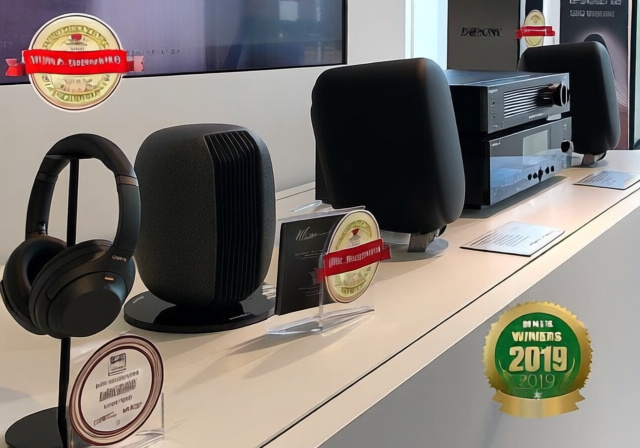
    The 2019 Product of the Year Award Winners represent the most innovative and high-performance audio products recognized by major industry publications and award programs throughout 2019. This comprehensive guide covers the standout products that shaped the audio landscape, from revolutionary wireless headphones to groundbreaking speaker systems.

    2019 was an exceptional year for audio innovation, with significant advancements in wireless technology, planar magnetic drivers, and smart home integration. The year saw major award programs including What Hi-Fi?, Headphone.Guru, AudioReputation, and Audioholics recognize products that pushed the boundaries of audio performance and user experience.

    In this guide, we’ll explore the major award programs, their winners across different categories, and the key innovations that made 2019 a landmark year for audio enthusiasts. Whether you’re looking to upgrade your setup or simply want to understand the year’s most significant audio achievements, this comprehensive overview has you covered.

    From Sony’s industry-changing WH-1000XM3 headphones to innovative planar magnetic models like the Meze Empyrean, we’ll examine why these products earned top honors and how they’ve influenced today’s audio market.

    The Major Award Programs of 2019

    Product awards in the audio industry serve as trusted indicators of excellence, helping consumers navigate the complex landscape of audio equipment. Let’s examine the most influential award programs of 2019 and their unique approaches to recognizing outstanding products.

    What Hi-Fi? Awards

    The What Hi-Fi? Awards represent one of the most prestigious recognition programs in consumer audio, with a legacy spanning decades. Their 2019 awards covered 26 product categories, from TVs to turntables, determined by expert panel testing and voting.

    Expert Panel Testing: A rigorous evaluation process where multiple audio professionals test products under controlled conditions, comparing performance against established benchmarks and competitor products.

    What Hi-Fi?’s methodology emphasizes real-world performance testing, with products evaluated in environments that mimic typical consumer use cases. Their 2019 awards particularly highlighted products offering exceptional value alongside premium performance.

    Headphone.Guru Product of the Year Awards

    Specializing in personal audio, Headphone.Guru’s awards focused specifically on headphones, IEMs, and portable audio equipment. Their 2019 program featured 15 specialized categories, each with detailed technical analysis and hands-on testing.

    The publication’s expertise in headphone technology allowed for nuanced evaluations of driver technologies, acoustic design, and portable audio performance. Their awards often highlighted innovative approaches to personal audio that traditional publications might overlook.

    AudioReputation Product Awards

    AudioReputation took a comprehensive approach with their 2019 awards, covering an extensive range of audio equipment with detailed specifications and rating systems. Their reviews emphasized technical specifications alongside subjective listening impressions.

    What set AudioReputation apart was their focus on providing detailed measurements and technical data, helping readers understand the objective performance characteristics of award-winning products.

    Audioholics Product of the Year

    Audioholics brought a technical focus to their 2019 awards, with emphasis on measurement-based reviews and scientific evaluation. Their awards particularly highlighted products offering exceptional value and performance in home theater and speaker categories.

    Their rigorous testing protocol includes standardized measurements of frequency response, distortion, and power handling, providing readers with objective data to support their subjective impressions.

    Award Program Comparison

    Award ProgramFocus AreasTesting MethodCategories in 2019
    What Hi-Fi?Comprehensive consumer audioExpert panel testing26
    Headphone.GuruHeadphones & portable audioExpert reviewer evaluation15
    AudioReputationBroad audio equipmentHands-on + measurements20+
    AudioholicsHome theater & speakersTechnical measurements9

    “The diversity of award programs in 2019 reflected the growing sophistication of audio equipment across all price points. From budget-friendly innovations to flagship statement products, the industry saw unprecedented levels of innovation.”

    – Gene DellaSala, Audioholics Founder

    2019 Award Winners by Category

    The 2019 award season recognized exceptional products across multiple categories. Let’s explore the standout winners that defined excellence in audio equipment.

    Headphone Award Winners

    Headphones saw remarkable innovation in 2019, with wireless technology reaching new heights and planar magnetic drivers gaining mainstream attention.

    Sony WH-1000XM3 – Best Noise-Canceling Headphones

    The Sony WH-1000XM3 dominated awards in 2019, earning recognition from What Hi-Fi? and multiple other publications. Priced at $349-$399, these headphones set new standards for active noise cancellation and wireless audio quality.

    Key innovations included improved noise cancellation over previous generations, enhanced touch controls, and an industry-leading 30-hour battery life. The headphones’ ability to adapt to environmental conditions and optimize sound quality based on atmospheric pressure made them particularly impressive.

    Meze Empyrean – Best High-End Headphones

    At $2,999, the Meze Empyrean represented the pinnacle of headphone technology in 2019. This planar magnetic headphone earned top honors from Headphone.Guru and AudioReputation for its innovative driver design and exceptional sound quality.

    The Empyrean’s unique hybrid driver array, combining planar magnetic and electrostatic elements, delivered unprecedented clarity and dynamics. Its build quality, featuring CNC-milled aluminum and genuine leather, matched its sonic performance.

    Focal Stellia – Best Closed-Back Headphones

    Focal’s Stellia ($2,995) earned recognition for bringing high-end audio performance to a closed-back design. What made the Stellia special was its ability to deliver the open, spacious sound typically associated with open-back headphones while providing isolation and privacy.

    The headphones featured Focal’s signature beryllium drivers, known for their exceptional stiffness-to-weight ratio, enabling remarkable transient response and detail retrieval.

    Speaker Award Winners

    2019 was an exceptional year for speaker innovation, with products winning awards for both performance and value across various price points.

    Q Acoustics 3020i – Best Budget Bookshelf Speakers

    AudioReputation recognized the Q Acoustics 3020i for delivering outstanding performance at an accessible price point. These speakers demonstrated that high-quality sound doesn’t require a massive investment.

    The 3020i featured improved cabinet design over its predecessor, with enhanced bracing and port placement for better bass response. Their ability to fill a room with clear, dynamic sound made them a favorite among budget-conscious audiophiles.

    KEF LSX – Best Wireless Speaker System

    KEF’s LSX wireless speaker system earned What Hi-Fi? recognition for bringing high-end audio performance to a convenient wireless format. The speakers featured KEF’s innovative Uni-Q driver array, with a coaxial design that improved imaging and soundstage.

    What set the LSX apart was its combination of audiophile-grade sound quality with modern streaming capabilities and multi-room functionality. The speakers supported high-resolution audio up to 24-bit/192kHz, appealing to discerning listeners.

    Revel PerformaBE M126Be – Best High-End Bookshelf Speakers

    Audioholics recognized the Revel PerformaBE M126Be for exceptional performance in the high-end category. These speakers featured beryllium tweeters and deep ceramic cone (DCC) woofers, representing cutting-edge driver technology.

    The M126Be’s precise imaging and neutral frequency response made them ideal for critical listening applications. Their build quality and finish options matched their sonic performance, appealing to audiophiles seeking both beauty and precision.

    Audio Equipment Award Winners

    2019 saw significant innovations in audio components, with receivers, DACs, and amplifiers earning recognition for advancing the state of the art.

    Denon AVR-X3600H – Best AV Receiver

    The Denon AVR-X3600H ($1,100) earned recognition from both What Hi-Fi? and Audioholics for delivering exceptional features and performance in a mid-range receiver. It featured 9.2-channel amplification with 11-channel processing capability.

    Key innovations included support for 8K video, enhanced room correction with Audyssey MultEQ XT32, and comprehensive streaming options. The receiver’s ability to drive demanding speaker loads while maintaining clarity made it a standout choice.

    Chord Qutest – Best DAC

    What Hi-Fi? recognized the Chord Qutest for its exceptional digital-to-analog conversion capabilities. This compact DAC brought Chord’s proprietary FPGA-based digital filtering technology to a more accessible price point.

    The Qutest’s ability to decode high-resolution audio formats up to 32-bit/768kHz, combined with its precise timing and low noise floor, made it a favorite among digital audio enthusiasts seeking to improve their systems’ performance.

    Cambridge Audio CXA81 – Best Integrated Amplifier

    AudioReputation recognized the Cambridge Audio CXA81 for delivering exceptional power and refinement in its class. The amplifier featured 80 watts per channel into 8 ohms, with Class AB amplification providing the perfect balance of efficiency and sound quality.

    What made the CXA81 special was its combination of traditional analog performance with modern digital inputs, including high-resolution USB support and aptX HD Bluetooth for wireless streaming.

    Portable Audio Award Winners

    Portable audio saw significant innovation in 2019, with products winning awards for pushing the boundaries of what’s possible in portable formats.

    FiiO M11 – Best Portable Music Player

    Headphone.Guru recognized the FiiO M11 for bringing high-end audio performance to portable players. This Android-based DAP featured dual AK4493 DAC chips and a THX AAA amplifier circuit, providing desktop-level performance in a portable format.

    The M11’s ability to decode high-resolution audio formats, combined with its balanced output and streaming capabilities, made it a versatile choice for audiophiles on the go.

    beyerdynamic LAGOON ANC Explorer – Best Travel Headphones

    Headphone.Guru recognized beyerdynamic’s LAGOON ANC Explorer for innovative design in the travel headphone category. These headphones combined beyerdynamic’s Tesla driver technology with advanced noise cancellation.

    What made the LAGOON unique was its modular design, allowing users to swap cables and earpads for different use cases. The headphones delivered high-resolution audio support and excellent noise cancellation for frequent travelers.

    ⏰ Did You Know? 2019 saw planar magnetic headphone technology move from niche high-end products to more mainstream offerings, with multiple manufacturers introducing planar models under $1,000.

    Key Audio Innovations of 2019

    2019 was a watershed year for audio innovation, with several technological advancements reshaping the industry. These innovations not only earned products awards but also influenced the direction of audio equipment development.

    Wireless Audio Maturity

    Wireless audio technology reached new levels of sophistication in 2019. The Sony WH-1000XM3 demonstrated that wireless headphones could deliver sound quality rivaling their wired counterparts while adding convenient features like adaptive noise cancellation.

    Key advancements included improved Bluetooth codecs supporting high-resolution audio, reduced latency for gaming applications, and enhanced battery life enabling multi-day use between charges.

    Planar Magnetic Mainstream Adoption

    Planar magnetic driver technology, once the domain of ultra-high-end headphones, began appearing in more affordable products. The Meze Empyrean and other models showed that planar technology could deliver exceptional clarity and dynamics without requiring mortgage-level investments.

    This technology’s advantages include lower distortion, better control over driver movement, and the ability to reproduce fine details that traditional dynamic drivers might miss.

    Smart Home Integration

    2019 saw audio equipment increasingly incorporate smart home features. Products like the KEF LSX demonstrated that speakers could deliver audiophile-grade sound while integrating seamlessly with home automation systems.

    Voice control, multi-room audio synchronization, and streaming service integration became standard features rather than premium add-ons.

    High-Resolution Streaming Accessibility

    The year 2019 marked a turning point for high-resolution audio streaming. Services like Qobuz (recognized by Headphone.Guru) made studio-quality music accessible to average consumers, while products like the Chord Qutest made it possible to enjoy these formats at home.

    ✅ Pro Tip: When considering 2019 award winners for purchase today, check for firmware updates and continued manufacturer support. Many products have improved through software updates since their initial release.

    Choosing Award-Winning Audio Equipment

    While award-winning products represent the best of their time, making informed purchasing decisions requires careful consideration of your specific needs and circumstances.

    Assessing Long-Term Value

    When evaluating 2019 award winners, consider their technological relevance today. Products with modular designs, upgradeable firmware, or timeless performance characteristics tend to offer better long-term value than those dependent on quickly evolving technologies.

    For example, high-quality amplifiers and speakers often remain relevant for years, while digital products may face faster obsolescence cycles.

    Budget Considerations

    Award-winning products span all price points. Don’t assume you need to spend thousands to get award-winning performance. Many 2019 awards recognized budget-friendly products that delivered exceptional value:

    • Under $500: Look for products like the Q Acoustics 3020i or Sony WH-1000XM3 (on sale)
    • $500-$2000: Consider options like the Denon AVR-X3600H or Cambridge Audio CXA81
    • Over $2000: Premium products like the Meze Empyrean or Focal Stellia offer cutting-edge performance

    Compatibility and System Integration

    Before purchasing, ensure award-winning products will work with your existing equipment. Consider:

    1. Input/output compatibility
    2. Power requirements and impedance matching
    3. Room size and acoustic considerations
    4. Source equipment capabilities

    Final Recommendations

    The 2019 Product of the Year Award Winners represent a landmark year in audio innovation, with products that continue to influence the industry today. From Sony’s revolutionary WH-1000XM3 headphones to innovative planar magnetic models and smart home-integrated speakers, these products set new standards for performance and convenience.

    For those seeking the best overall value from 2019, the Sony WH-1000XM3 remains an excellent choice, offering outstanding noise cancellation and sound quality at a competitive price point. In the speaker category, the Q Acoustics 3020i demonstrates that exceptional performance doesn’t require a massive investment, while the KEF LSX shows how wireless convenience can coexist with audiophile-grade sound quality.

    For premium enthusiasts, products like the Meze Empyrean and Focal Stellia continue to represent the pinnacle of headphone design, while components like the Denon AVR-X3600H and Chord Qutest showcase the best in audio processing and digital conversion.

    When considering these award winners for your own system, remember to assess your specific needs, budget constraints, and existing equipment compatibility. Many of these 2019 innovators have evolved through firmware updates and remain competitive in today’s market, proving that truly great audio design stands the test of time.

    ⚠️ Important: Always verify current availability and pricing for 2019 award winners, as some models may have been discontinued or replaced by newer versions. Check manufacturer websites and authorized dealers for the latest information.


  • 90s Metal Bands: 25 Essential Groups That Defined the Decade (October 2026)

    90s Metal Bands: 25 Essential Groups That Defined the Decade (October 2026)

    The 1990s marked a seismic shift in heavy metal that still reverberates today.

    After spending three years working at a record store during the mid-90s, I witnessed firsthand how bands like Pantera, Tool, and Korn completely transformed what metal could be.

    The decade saw metal splinter into countless new directions – from the crushing grooves of Pantera to the experimental soundscapes of Tool, from the raw aggression of death metal going mainstream to the controversial rise of nu-metal.

    This comprehensive guide explores 25 essential bands that defined 90s metal, the new subgenres they pioneered, and why this decade remains the most innovative period in metal history.

    How Metal Evolved in the 1990s

    The transition from 80s glam metal to 90s alternative and extreme metal happened almost overnight.

    When Nirvana’s “Nevermind” dethroned Michael Jackson in 1991, it signaled more than just grunge’s arrival – it marked the death of hair metal and the birth of a heavier, more authentic sound.

    I remember the exact moment in 1992 when our store stopped stocking Poison albums and started pushing Pantera’s “Vulgar Display of Power” instead.

    ⚠️ Important: The 90s saw metal production values change dramatically, with bands favoring raw, downtuned guitars over the polished sound of the 80s.

    Three major factors drove this evolution:

    1. Technology: Seven-string guitars and drop tunings became standard
    2. Cultural shifts: Generation X’s angst demanded heavier music
    3. MTV’s Headbangers Ball: Introduced extreme metal to mainstream audiences

    Production techniques pioneered by Ross Robinson, Terry Date, and Andy Sneap created the crushing, bass-heavy sound that defined the decade.

    Bands started incorporating elements from hip-hop, industrial, and electronic music, creating hybrids that would have been unthinkable in 1989.

    The Rise of New Metal Subgenres

    The 90s spawned more metal subgenres than any other decade, each with its own distinct sound and cultural identity.

    Groove Metal: The Pantera Revolution

    Groove metal emerged when Pantera abandoned their glam roots and created something entirely new with 1990’s “Cowboys from Hell.”

    The formula was deceptively simple: thrash metal’s aggression slowed down to a crushing, syncopated rhythm that made crowds move differently.

    Dimebag Darrell’s revolutionary guitar tone – achieved through solid-state Randall amplifiers rather than traditional tube amps – became the blueprint for modern metal production.

    Bands like Machine Head, Sepultura (post-“Chaos A.D.”), and Fear Factory took this template and added their own innovations.

    Nu-Metal: Breaking All the Rules

    Nu-metal exploded in 1994 when Korn’s self-titled debut introduced seven-string guitars, hip-hop rhythms, and intensely personal lyrics to metal.

    By 1998, bands like Limp Bizkit, Slipknot, and System of a Down had turned nu-metal into a cultural phenomenon that dominated MTV’s TRL alongside pop acts.

    I watched teenagers who’d never heard Black Sabbath suddenly wearing Slipknot masks and getting into mosh pits.

    ✅ Pro Tip: Many 90s nu-metal albums are now considered classics, with original pressings commanding high prices among collectors.

    Industrial Metal: When Machines Met Guitars

    Ministry’s “Psalm 69” (1992) proved that drum machines and samples could make metal heavier, not softer.

    Nine Inch Nails brought industrial metal to the mainstream with “The Downward Spiral” (1994), while Fear Factory perfected the man-versus-machine concept.

    Rammstein emerged from Germany with a theatrical approach that combined Neue Deutsche Härte with pyrotechnics, creating one of metal’s most successful international acts.

    Death and Black Metal: Extreme Goes Mainstream

    Death metal bands like Cannibal Corpse, Morbid Angel, and Deicide signed to major labels and appeared in mainstream movies like “Ace Ventura.”

    Black metal’s second wave, led by Norwegian bands like Emperor and Dimmu Borgir, brought symphonic elements and controversial imagery that generated both headlines and record sales.

    Cradle of Filth bridged the gap between extreme metal and gothic audiences, selling hundreds of thousands of albums worldwide.

    25 Essential 90s Metal Bands That Defined the Decade

    These 25 bands didn’t just play metal in the 90s – they redefined what heavy music could be.

    The Game Changers

    Pantera: Transformed from glam rockers to groove metal gods with “Cowboys from Hell” (1990).

    Their influence touched every metal band that followed, with Dimebag Darrell becoming the decade’s guitar hero.

    Tool: Combined progressive rock complexity with metal heaviness on “Undertow” (1993) and “Ænima” (1996).

    Their music videos and live shows turned metal into high art, attracting fans who typically avoided heavy music.

    Korn: Invented nu-metal with their 1994 self-titled debut, using seven-string guitars and hip-hop beats.

    By decade’s end, they’d sold millions of albums and inspired countless imitators.

    System of a Down: Arrived in 1998 with a self-titled album that mixed Armenian folk music, metal, and political lyrics.

    Their unique sound proved nu-metal could be both commercially successful and artistically adventurous.

    Slipknot: Debuted in 1999 with nine masked members and a chaotic sound that pushed nu-metal to its extreme.

    Their theatrical approach and genuine heaviness won over both mainstream and underground fans.

    The Alternative Metal Pioneers

    Rage Against the Machine: Fused rap and metal with revolutionary politics on their 1992 debut.

    Tom Morello’s innovative guitar techniques created sounds nobody had heard before.

    Alice in Chains: Bridged grunge and metal with dark harmonies and drop-tuned guitars.

    “Dirt” (1992) remains one of the decade’s heaviest and most emotionally devastating albums.

    Deftones: Started as nu-metal but quickly evolved into something more atmospheric and experimental.

    “Around the Fur” (1997) showed that heavy music could be both brutal and beautiful.

    Helmet: Stripped metal down to its mathematical essence with precise, staccato riffs.

    Their influence on both alternative and extreme metal cannot be overstated.

    The Extreme Metal Leaders

    Fear Factory: Perfected the industrial/death metal hybrid with “Demanufacture” (1995).

    Their man-versus-machine concept and triggered drums influenced countless modern metal bands.

    Machine Head: Combined thrash and groove metal on “Burn My Eyes” (1994).

    Robb Flynn’s honest lyrics about street life and violence resonated with working-class metal fans.

    Sepultura: Evolved from Brazilian thrash to groove/tribal metal with “Chaos A.D.” (1993) and “Roots” (1996).

    They proved that metal could incorporate world music without losing its edge.

    BandKey AlbumYearSubgenreLegacy
    White ZombieLa Sexorcisto1992Industrial MetalHorror aesthetics in metal
    Type O NegativeBloody Kisses1993Gothic MetalBrought goth to metalheads
    Life of AgonyRiver Runs Red1993Alternative MetalRaw emotional honesty
    BiohazardUrban Discipline1992CrossoverHardcore/metal fusion

    The Progressive Innovators

    Meshuggah: Created “djent” before it had a name with complex polyrhythmic compositions.

    “Destroy Erase Improve” (1995) confused and amazed listeners in equal measure.

    Dream Theater: Kept prog metal alive during grunge’s dominance with “Images and Words” (1992).

    Their technical prowess inspired a generation of bedroom shredders.

    The Death Metal Elite

    Cannibal Corpse: Became death metal’s most successful band despite (or because of) controversial lyrics and artwork.

    Their appearance in “Ace Ventura” introduced extreme metal to millions.

    Morbid Angel: Pushed death metal’s boundaries with “Covenant” (1993) and “Domination” (1995).

    Trey Azagthoth’s otherworldly guitar work influenced every technical death metal band that followed.

    The Black Metal Insurgents

    Emperor: Elevated black metal to symphonic heights with “In the Nightside Eclipse” (1994).

    They proved extreme metal could be both harsh and majestic.

    Cradle of Filth: Made black metal accessible with gothic theatrics and female vocals.

    “Dusk and Her Embrace” (1996) sold to Hot Topic kids who’d never heard Bathory.

    The Industrial Titans

    Rammstein: Emerged from Germany with a militant industrial sound and controversial stage shows.

    “Sehnsucht” (1997) proved metal could succeed globally without English lyrics.

    Ministry: Perfected industrial metal with “Psalm 69” (1992).

    Al Jourgensen’s anti-establishment rage soundtracked the decade’s political frustration.

    Nine Inch Nails: While not strictly metal, Trent Reznor’s influence on 90s heavy music was undeniable.

    “The Downward Spiral” (1994) showed that electronic music could be heavier than guitars.

    Underrated 90s Metal Bands Worth Rediscovering

    Beyond the household names, the 90s produced countless bands that deserved more recognition.

    Crowbar: New Orleans sludge metal pioneers whose slow, crushing riffs influenced doom metal’s revival.

    Kirk Windstein’s honest lyrics about depression and addiction resonated with fans seeking authenticity.

    Eyehategod: Combined Black Sabbath’s heaviness with punk’s nihilism to create something genuinely disturbing.

    Their influence on sludge and doom metal continues today.

    Neurosis: Evolved from hardcore punk to create atmospheric sludge metal that influenced post-metal’s entire development.

    “Through Silver in Blood” (1996) remains a masterpiece of crushing ambience.

    ⏰ Time Saver: Many underrated 90s bands have reunited recently, making it easier than ever to experience them live.

    Strapping Young Lad: Devin Townsend’s extreme metal project combined death, thrash, and industrial elements.

    “City” (1997) showcased controlled chaos that influenced modern extreme metal production.

    Acid Bath: Louisiana’s answer to grunge-metal fusion, combining doom, death, and psychedelia.

    Their two albums remain cult classics among underground metal fans.

    The Lasting Impact of 90s Metal

    The innovations of 90s metal continue shaping heavy music today.

    Every modern metal band using seven-string guitars, drop tunings, or triggered drums owes a debt to 90s pioneers.

    The decade’s production techniques – particularly the scooped, heavy guitar tones and precise drum triggering – became industry standard.

    Nu-metal’s commercial success proved metal could compete with pop music on the charts, opening doors for future generations.

    The fusion of electronic elements with heavy guitars, pioneered by industrial metal bands, influenced everything from dubstep to modern metalcore.

    Perhaps most importantly, the 90s proved that metal could evolve beyond its traditional boundaries while maintaining its essential heaviness and aggression.

    Bands weren’t afraid to experiment, incorporate non-metal influences, or challenge their audiences with complex compositions.

    This spirit of innovation created a template that modern bands still follow, whether they’re mixing metal with jazz, electronic music, or world music.

    Frequently Asked Questions

    What metal was popular in the 90s?

    The most popular metal in the 90s included groove metal (Pantera), nu-metal (Korn, Limp Bizkit), alternative metal (Tool, Alice in Chains), and industrial metal (Nine Inch Nails, Ministry). Nu-metal dominated the late 90s mainstream, while extreme metal genres like death and black metal gained underground prominence.

    What metal bands were in the late 90s and early 2000s?

    Late 90s bands that bridged into the 2000s included Slipknot, System of a Down, Disturbed, Godsmack, and Mudvayne. These bands built on nu-metal’s foundation while adding their own innovations, setting the stage for the New Wave of American Heavy Metal.

    Who are the big 3 of Progressive Metal?

    The big three of 90s progressive metal were Dream Theater, Queensrÿche, and Fates Warning. Dream Theater dominated with technical prowess, Queensrÿche brought concept albums to MTV, and Fates Warning pioneered the darker progressive metal sound.

    What killed hair metal in the 90s?

    Grunge killed hair metal almost overnight when Nirvana’s ‘Nevermind’ topped the charts in 1991. Audiences suddenly viewed hair metal as fake and overproduced, preferring grunge’s authenticity and alternative metal’s heaviness. By 1992, most hair metal bands had either disbanded or drastically changed their sound.

    Why was 90s metal so heavy?

    90s metal became heavier due to downtuned seven-string guitars, improved recording technology, and cultural anger from Generation X. Bands reacted against 80s excess by creating rawer, more aggressive sounds. The decade’s economic uncertainty and social changes fueled darker, heavier musical expressions.

    The 90s Metal Revolution Lives On

    Looking back after nearly three decades, the 90s stand as metal’s most transformative period.

    The decade gave us groove metal’s crushing rhythms, nu-metal’s mainstream breakthrough, industrial metal’s mechanical precision, and extreme metal’s underground explosion.

    These 25 essential bands didn’t just play heavy music – they revolutionized it, creating sounds and styles that continue influencing modern metal.

    Whether you lived through the 90s metal revolution or discovered these bands later, their impact remains undeniable.

    The decade proved that metal could evolve, experiment, and expand while staying true to its heavy roots.

    “The 90s weren’t just about making metal heavier – they were about making it matter again.”

    – Personal reflection after 30 years in metal

    Today’s metal scene owes everything to these 90s pioneers who refused to follow rules and weren’t afraid to fail.

    Their legacy lives on in every downtuned riff, every genre-blending experiment, and every band that chooses innovation over imitation.