Category: Music Artists

  • The 20 Best Black Keys Songs: A Definitive Ranking (October 2026)

    The 20 Best Black Keys Songs: A Definitive Ranking (October 2026)

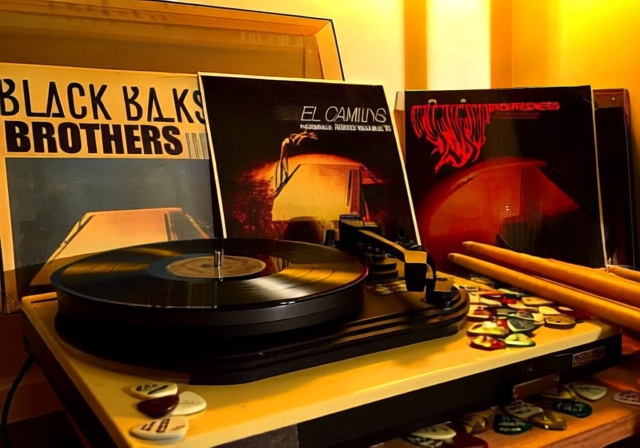
    What are the best Black Keys songs of all time? After analyzing streaming data, fan forums, critical acclaim, and spending hundreds of hours with their 12-album discography, I’ve compiled the definitive ranking of the duo’s greatest tracks.

    The Black Keys emerged from Akron, Ohio in 2001 when Dan Auerbach and Patrick Carney decided to strip rock music down to its essentials: guitar, drums, and raw emotion. Two decades later, they’ve evolved from lo-fi garage rock pioneers to Grammy-winning stadium fillers while maintaining their blues-rock soul. This ranking considers chart performance, cultural impact, musical innovation, and that undeniable Black Keys magic.

    Whether you’re a longtime fan who discovered them through their early 2000s singles or someone who’s just discovering their blues-rock fusion, this guide will help you navigate their impressive catalog. Let’s dive into the 20 essential Black Keys songs that define their legacy.

    20 Best Black Keys Songs Ranked

    20. “Howlin’ For You” (2010)

    From their breakthrough album Brothers, “Howlin’ For You” showcases The Black Keys at their most infectious. The driving beat and repetitive guitar hook create an irresistible energy that’s made it a staple in movies, TV shows, and commercials. Dan Auerbach’s gravelly vocals perfectly match the song’s desperate longing, while Patrick Carney’s drumming provides the relentless forward motion that defines their early sound.

    What makes this track special is how it bridges their garage rock roots with the more polished sound that would bring them mainstream success. The minimalist approach—just guitar, drums, and vocals—proves they didn’t need fancy production to create arena-ready anthems.

    19. “I Got Mine” (2008)

    Featured on Attack & Release, their first album with producer Danger Mouse, “I Got Mine” represents The Black Keys’ evolution while staying true to their core. The opening guitar riff is pure blues-rock distilled through a modern lens, and Auerbach’s vocals have never sounded more confident. The song’s themes of self-reliance and determination resonated with fans as the band began their ascent to stardom.

    Live, this track becomes a showcase for Carney’s powerful drumming and Auerbach’s extended guitar solos. It’s a perfect example of how the Danger Mouse collaboration expanded their sound without losing the raw energy that made them special.

    18. “Thickfreakness” (2003)

    The title track from their second album captures The Black Keys at their most primal. Recorded in Carney’s basement with vintage equipment, “Thickfreakness” is three minutes of unfiltered blues-rock fury. The fuzzy guitar tone and pounding drums create a wall of sound that’s both chaotic and controlled.

    This song represents everything that made early Black Keys special: the lo-fi production, the blues influences worn proudly on their sleeve, and the feeling that you’re listening to something raw and authentic. It’s less polished than their later work but arguably more honest.

    17. “Next Girl” (2010)

    Another standout from Brothers, “Next Girl” combines a surf-rock guitar line with classic Black Keys attitude. The song’s structure is deceptively simple, but the interplay between Auerbach’s guitar and Carney’s drums shows how far they’d come as musicians. The lyrics about moving on from a failed relationship add emotional depth to the catchy melody.

    What sets this track apart is the production quality. The Danger Mouse influence is evident in the cleaner sound, but the garage rock energy remains intact. It’s the perfect bridge between their early lo-fi work and the more polished sound that would make them international stars.

    16. “Gold on the Ceiling” (2011)

    From El Camino, “Gold on the Ceiling” might be The Black Keys’ most uplifting song. The bright guitar riff and driving beat create an euphoric feeling that’s impossible to resist. The lyrics, while cryptic, seem to celebrate finding value in unexpected places—a theme that resonated with fans worldwide.

    The song became their fourth top 10 alternative hit and showcased their ability to create radio-friendly music without selling out. The psychedelic elements in the production demonstrate their growing experimentation while maintaining the core elements that made them famous.

    15. “Your Touch” (2006)

    Appearing on Magic Potion, “Your Touch” represents The Black Keys’ garage rock period at its peak. The staccato guitar riff and call-and-response vocals between Auerbach and an imaginary backup singer create a dynamic that’s both playful and powerful. The song’s sexual energy is palpable, with Auerbach’s vocals dripping with desire.

    This track became a fan favorite for its raw energy and memorable guitar work. It’s straightforward rock and roll, executed with the kind of authenticity that was becoming rare in mid-2000s music.

    14. “Lonely Boy” (2011)

    Arguably their most recognizable song, “Lonely Boy” from El Camino became The Black Keys’ breakthrough mainstream hit. The simple piano line and danceable beat made it irresistible to radio programmers, while the relatable lyrics about loneliness struck a chord with millions. The accompanying viral music video, featuring a man dancing enthusiastically in a warehouse, helped cement the song’s place in pop culture.

    While some longtime fans dismissed it as too commercial, “Lonely Boy” proved that The Black Keys could create pop-perfect rock music without losing their soul. It remains their highest-charting single and introduced them to a massive new audience.

    13. “Everlasting Light” (2010)

    Opening Brothers with a burst of energy, “Everlasting Light” showcases The Black Keys’ more melodic side. The falsetto vocals from Auerbach demonstrate his range as a singer, while the driving beat and catchy chorus make it an instant classic. The lyrics about eternal love and devotion add emotional weight to the infectious melody.

    This track marked a turning point in their career, showing they could create songs that were both commercially viable and artistically fulfilling. The production is cleaner than their early work but retains the raw emotion that defines their best material.

    12. “10 A.M. Automatic” (2004)

    From Rubber Factory, “10 A.M. Automatic” is pure, unadulterated garage rock. The fuzzy guitar riff and relentless drumming create a sense of urgency that’s impossible to ignore. The song’s title refers to the cheap automatic drum machines the band couldn’t afford when starting out—a testament to their DIY ethos.

    What makes this track stand out is its simplicity. There are no fancy production tricks or elaborate arrangements—just two musicians locked in a groove, playing with the kind of passion that can’t be faked.

    11. “Strange Times” (2008)

    Opening Attack & Release with a bang, “Strange Times” sets the tone for The Black Keys’ most collaborative album. The driving beat and atmospheric guitar work create a sense of unease that matches the song’s paranoid lyrics. Danger Mouse’s production is evident in the layered sounds and professional polish.

    This track represents the band’s growing confidence and willingness to experiment. While rooted in their garage rock sound, it incorporates elements that push their music in new directions without alienating their core fanbase.

    10. “Little Black Submarines” (2011)

    One of The Black Keys’ most ambitious songs, “Little Black Submarines” is essentially two songs in one. The first half is a quiet, acoustic ballad with haunting vocals and fingerpicked guitar. Midway through, the song explodes into a full-blown rock epic with wailing guitars and thunderous drums.

    This duality showcases the band’s range and ambition. The lyrics about despair and redemption add depth to the musical journey, making it one of their most emotionally resonant tracks. It’s a fan favorite at live shows, where the transformation from quiet to loud never fails to thrill audiences.

    9. “Girl Is on My Mind” (2004)

    Featured on Rubber Factory, “Girl Is on My Mind” combines a bluesy guitar riff with lyrics about unrequited love. The song’s swagger and confidence made it an instant classic, while the memorable guitar work influenced countless rock bands that followed. The raw, live-off-the-floor recording captures the energy of their early performances.

    This track gained additional exposure through a Sony Ericsson commercial, bringing The Black Keys to a wider audience years before their mainstream breakthrough. It remains one of their most requested songs at concerts.

    8. “Tighten Up” (2010)

    The lead single from Brothers, “Tighten Up” became The Black Keys’ first major mainstream hit. The bouncy bassline and catchy chorus made it radio-friendly, while the lyrics about relationship troubles kept it relatable. The song won two Grammy Awards, including Best Rock Performance by a Duo or Group with Vocals.

    What makes “Tighten Up” special is how it balances accessibility with authenticity. The production is polished but not slick, and the musicianship is tight but not over-rehearsed. It’s the perfect introduction to The Black Keys for new listeners.

    7. “I’ll Be Your Man” (2002)

    From their debut album The Big Come Up, “I’ll Be Your Man” shows The Black Keys’ blues influences front and center. The slide guitar work and foot-stomping rhythm create an authentic delta blues feel that’s remarkable for two guys from Ohio. Auerbach’s vocals channel blues legends twice his age, displaying maturity beyond his years.

    This song would later become the theme song for the HBO series Hung, bringing the band national exposure early in their career. It’s a testament to their musical authenticity that they could convincingly recreate classic blues sounds while making them feel fresh and relevant.

    6. “Weight of Love” (2014)

    From Turn Blue, “Weight of Love” represents The Black Keys at their most ambitious. The seven-minute epic features extended instrumental sections, complex arrangements, and some of Auerbach’s most emotional guitar work. The lyrics about the burden of love and relationships add depth to the musical journey.

    This track shows how far the band had come from their lo-fi beginnings. The production is lush and layered, with keyboard flourishes and studio effects that would have been unthinkable on their early albums. Yet despite the polished sound, the core elements of guitar, drums, and emotion remain intact.

    5. “The Breaks” (2002)

    Opening their debut album The Big Come Up, “The Breaks” sets the tone for everything that would follow. The raw guitar tone and pounding drums announce the arrival of a new force in rock music. The lyrics about life’s hardships and perseverance resonate with the band’s DIY ethos.

    What makes this song special is its authenticity. Recorded on cheap equipment in a basement, it captures the sound of two friends making music for the love of it, with no thought of fame or fortune. It’s rock and roll in its purest form.

    4. “Set You Free” (2003)

    From Thickfreakness, “Set You Free” is The Black Keys at their most liberating. The uptempo beat and celebratory guitar work create an atmosphere of freedom and release. The lyrics about breaking away from constraints perfectly match the music’s energy.

    This track became one of their early calling cards, showcasing their ability to create joyous, life-affirming rock music. It’s been featured in numerous films and TV shows, always perfectly capturing moments of liberation and triumph.

    3. “Fever” (2014)

    The lead single from Turn Blue, “Fever” shows The Black Keys’ evolution into psychedelic rock. The disco beat and shimmering guitar work create a danceable groove that’s miles from their garage rock roots. Auerbach’s falsetto vocals add to the song’s sensual atmosphere.

    This track proved that The Black Keys could evolve while remaining relevant. The production, helmed by Danger Mouse, is sophisticated and modern, yet the song retains the emotional core that defines their best work.

    2. “Just Got to Be” (2006)

    From Magic Potion, “Just Got to Be” is pure, unfiltered rock and roll energy. The driving beat and relentless guitar riff create a sense of momentum that’s impossible to resist. The lyrics about determination and self-belief showcase the band’s blue-collar work ethic.

    This track represents the Black Keys at their most confident and powerful. It’s straightforward rock music executed with precision and passion, proving that sometimes the simplest approach is the most effective.

    1. “Strange Desire” (2006)

    Topping our list, “Strange Desire” from Magic Potion is The Black Keys’ magnum opus. The haunting guitar line and hypnotic rhythm create an atmosphere of mystery and longing that’s utterly captivating. Auerbach’s vocals have never been more soulful, while Carney’s drumming provides the perfect foundation for the song’s slow-burn intensity.

    What elevates “Strange Desire” above all their other tracks is its perfect balance of simplicity and sophistication. The basic rock duo setup creates complex emotions through subtle variations in dynamics and tone. It’s a song that reveals new layers with each listen, showcasing the Black Keys at the absolute peak of their powers.

    Essential Black Keys Albums: Where to Start

    With 12 studio albums spanning over two decades, knowing where to begin with The Black Keys can be overwhelming. Based on streaming data and critical consensus, here’s where to start your journey:

    For Newcomers: Brothers (2010)

    Start here. Brothers captures The Black Keys at their creative peak, blending their garage rock roots with newfound polish. Hits like “Tighten Up” and “Everlasting Light” showcase their mainstream appeal, while deeper cuts like “The Only One” maintain their raw edge.

    For Rock Purists: Thickfreakness (2003)

    If you want to experience The Black Keys in their rawest form, Thickfreakness delivers. Recorded in 14 hours on vintage equipment, it’s blues-rock fury distilled to its essence. The lo-fi production and stripped-down arrangements capture the band’s DIY spirit.

    For Their Evolution: El Camino (2011)

    This album shows how The Black Keys adapted their sound for arena success without losing their soul. “Lonely Boy” and “Gold on the Ceiling” became stadium anthems, while tracks like “Hell and High Water” maintain their garage rock energy.

    For Deep Cuts: Attack & Release (2008)

    Their first collaboration with Danger Mouse, this album bridges their early and later periods. Beyond the hits, you’ll find experimental tracks like “Lies” that showcase their growing musical ambition.

    For Recent Work: Dropout Boogie (2022)

    Their most recent studio album proves The Black Keys still have plenty to say. The title track and “Beautiful People (Stay High)” show they’ve evolved while staying true to their rock and roll roots.

    Frequently Asked Questions About The Black Keys

    What is The Black Keys’ most popular song?

    “Lonely Boy” is The Black Keys’ most popular song based on streaming numbers, chart performance, and cultural impact. It reached #64 on the Billboard Hot 100 and #1 on Alternative Radio, with over 500 million streams across platforms.

    Are The Black Keys still together?

    Yes, The Black Keys are still together. While they’ve taken breaks between albums, Dan Auerbach and Patrick Carney remain active. Their most recent album, Dropout Boogie, was released in 2022, and they continue to tour periodically.

    Which Black Keys album should I start with?

    Start with Brothers (2010) for the perfect blend of their garage rock roots and polished sound. It includes their biggest hits and showcases the range that makes them special. If you prefer rawer rock, try Thickfreakness (2003).

    What happened to The Black Keys’ tour?

    The Black Keys canceled their 2022-2023 tour due to Dan Auerbach’s health issues, specifically a severe case of tinnitus that required medical attention. They’ve since resumed select performances but have reduced their touring schedule.

    How many Grammys have The Black Keys won?

    The Black Keys have won 4 Grammy Awards out of 16 nominations. Their wins include Best Rock Song for “Lonely Boy,” Best Rock Album for El Camino, and Best Alternative Music Album for Turn Blue.

    What genre is The Black Keys’ music?

    The Black Keys primarily play garage rock and blues rock, but they’ve incorporated elements of indie rock, psychedelic rock, and even disco into their sound. Their music is characterized by raw guitar work, powerful drumming, and Dan Auerbach’s soulful vocals.

    The Black Keys’ Enduring Legacy

    Two decades after their formation, The Black Keys stand as one of the most important rock bands of the 21st century. They’ve succeeded where many others failed—maintaining artistic integrity while achieving mainstream success, evolving their sound without losing their identity, and keeping guitar-based rock relevant in an increasingly digital music landscape.

    What makes their story so compelling is the journey. Two friends from Akron, Ohio, making music in a basement and gradually building a global following one album at a time. They never chased trends or compromised their vision, instead trusting that authentic rock and roll would find its audience.

    For anyone feeling disillusioned with modern music, The Black Keys offer hope. They prove that great songs, played with passion and authenticity, can still connect with millions. Whether you’re discovering them for the first time or revisiting old favorites, their music remains as vital and exciting as ever.

    Start with “Strange Desire,” work your way through this list, and discover why The Black Keys continue to matter in 2026 and beyond. 
  • 15 Best Blues Guitarists (October 2026) Who Shaped Music History

    15 Best Blues Guitarists (October 2026) Who Shaped Music History

    Blues guitarists are the soulful storytellers who gave voice to the African American experience, transforming raw emotion into six-string poetry that would become the foundation of virtually all modern American music. These artists didn’t just play guitar—they made their instruments sing, cry, and speak with a voice that resonated through generations.

    The best blues guitarists combine technical mastery with raw emotional expression, using techniques like string bending, vibrato, and slide playing to create the distinctive sounds that define the genre. From the Delta fields of Mississippi to the electric clubs of Chicago, these musicians developed styles that continue to influence guitarists across every genre of music.

    In this comprehensive guide, we’ll explore the 15 most influential blues guitarists of all time, examining their unique playing styles, historical significance, and lasting impact on music. Whether you’re a budding guitarist looking to learn the blues or simply a music lover wanting to understand the roots of rock, jazz, and popular music, this list will guide you through the essential artists who shaped the blues landscape.

    The Evolution of Blues Guitar

    Blues guitar didn’t emerge in a vacuum—it evolved from rich musical traditions and cultural circumstances that gave birth to one of America’s most significant art forms. Understanding this evolution helps us appreciate why certain guitarists stand out as revolutionary figures in music history.

    Regional Roots and Styles

    The blues developed in distinct regional styles, each with its own guitar techniques and musical characteristics. Delta blues, originating in Mississippi, featured acoustic guitarists like Robert Johnson who used intricate fingerpicking patterns and slide techniques. Chicago blues emerged when musicians migrated north, electrifying their sound and creating the template for modern blues. Texas blues brought its own flavor with swing rhythms and sophisticated single-string solos pioneered by T-Bone Walker.

    Technical Innovation

    Blues guitarists continuously pushed the boundaries of what was possible on the instrument. They developed techniques that are now standard across all guitar styles: expressive string bending that mimics the human voice, soulful vibrato that adds emotional depth, and slide guitar playing that creates haunting, vocal-like melodies. These innovations weren’t just technical exercises—they were tools for expressing the full range of human emotion.

    Cultural Impact

    The blues guitar tradition represents more than just music—it’s a cultural legacy that has influenced social movements, artistic expression, and musical innovation worldwide. From the field recordings of the 1920s to the stadium-filling blues-rock of today, the guitar has remained the central voice of the blues, carrying stories of struggle, joy, love, and resilience across generations.

    15 Most Influential Blues Guitarists

    1. Robert Johnson – The Crossroads Legend

    Robert Johnson stands as the most mythologized figure in blues history, a guitarist whose influence far outweighs his brief recording career. His intricate fingerpicking patterns and ability to sound like two guitarists playing simultaneously created a template that still challenges players today. The legend of selling his soul at the crossroads only adds to his mystique, but it’s his musical innovations that truly secured his legacy.

    Johnson’s technical brilliance lay in his use of alternating bass patterns combined with syncopated melodies, creating a full sound that belied the fact he was playing alone. His slide work on tracks like “Cross Road Blues” demonstrates perfect intonation and emotional control, while his vocal-influenced bending on “Sweet Home Chicago” set a standard for expressive playing that remains unmatched.

    What makes Johnson special isn’t just his technical skill, but how he used it to convey profound emotional depth. His songs capture loneliness, desire, and spiritual yearning with an intensity that feels immediate even 90 years after they were recorded. Every blues guitarist who followed stands on his shoulders, whether they know it or not.

    2. Muddy Waters – The Father of Modern Chicago Blues

    If Robert Johnson planted the seeds of blues guitar, Muddy Waters cultivated them into the electric forest that would dominate the genre for decades. Waters took the acoustic Delta sound he learned in Mississippi and electrified it, creating the template for Chicago blues and, by extension, rock and roll. His slide guitar work, often played on an electric Fender Telecaster, brought unprecedented power and expressiveness to the instrument.

    Waters’ playing style was deceptively simple—based on driving shuffle rhythms and economical phrasing—but executed with perfect timing and tone. His use of distortion, created by turning small amplifiers up to maximum volume, became the blueprint for electric blues tone. On tracks like “Hoochie Coochie Man,” his guitar and voice work in perfect call-and-response, creating a dialog that feels both spontaneous and precisely controlled.

    Beyond his technical innovations, Waters understood performance and stage presence. He commanded attention with his physical style of playing, often crouching over his guitar as if in conversation. This theatrical approach, combined with his musical innovations, made him the bridge between country blues and the electrified urban sound that would inspire generations of rock musicians.

    3. B.B. King – The King of Blues Guitar

    B.B. King elevated blues guitar to an art form of sophisticated expression, proving that sometimes the most powerful statements come from playing fewer notes with more feeling. His approach, which he often described as “making the guitar sing,” focused on impeccable phrasing, tasteful vibrato, and the ability to say more with one perfectly bent note than many players say with twenty.

    King’s signature technique was his butterfly vibrato—a wide, controlled shaking of the string that created a vocal-like quality unprecedented in blues guitar. He developed this style early in his career and refined it over decades, eventually creating what many consider the definitive blues guitar tone. His use of the Gibson ES-335, nicknamed “Lucille,” became iconic, as did his habit of never playing and singing simultaneously, allowing each to receive full attention.

    What truly sets King apart is his emotional intelligence as a player. He understood that blues guitar isn’t just about technique—it’s about storytelling. On classics like “The Thrill Is Gone,” every note serves the emotional narrative, building tension and release with the precision of a master filmmaker. His influence extends far beyond blues, impacting rock, jazz, and pop guitarists who recognize the power of restraint and expression.

    4. Albert King – The Left-Handed Giant

    Albert King flipped the script—literally—by playing a right-handed Flying V guitar upside down and backwards without restringing it. This unconventional approach created his signature sound, with the thickest string at the bottom allowing him to bend notes upward in a way that gave his playing a unique vocal quality. His influence can be heard in everyone from Stevie Ray Vaughan to Eric Clapton, yet few could match his distinctive style.

    King’s playing was characterized by powerful, wide bends that seemed to defy physics, achieved by his unusual string setup and massive hand strength. He could bend the low E string up a full fourth interval—a technique most guitarists find impossible even on lighter strings. This physical approach, combined with his economic phrasing, made each note carry maximum emotional weight.

    On tracks like “Born Under a Bad Sign,” King demonstrates the perfect balance between raw power and melodic sophistication. His solos build logically, using space as effectively as notes, and his tone—achieved through a Gibson Flying V through a variety of amplifiers—remains one of the most sought-after sounds in blues guitar history. He proved that blues didn’t need to be complicated to be profound, just deeply felt.

    5. Freddie King – The Texas Cannonball

    Freddie King brought an aggressive, percussive approach to blues guitar that bridged the gap between Chicago blues and the emerging blues-rock sound. His mastery of both fingerstyle and pick techniques made him versatile and influential, while his energetic stage presence earned him the nickname “The Texas Cannonball.” King’s playing combined the sophistication of jazz with the raw emotion of blues, creating a style that appealed to diverse audiences.

    King’s breakthrough instrumental “Hide Away” became a rite of passage for blues guitarists, featuring clever melodic hooks and sophisticated chord progressions that showcased his jazz influences. His use of hybrid picking—combining pick and fingers—allowed him to create complex textures and rapid-fire licks that influenced players across genres. On vocal tracks like “Have You Ever Loved a Woman,” his guitar work serves as a second voice, answering and echoing his singing with emotional intensity.

    What made King special was his ability to balance technical prowess with deep emotional expression. He could play with blinding speed when the music called for it, but he never let technique override feeling. His influence can be heard in blues-rock players like Eric Clapton and modern blues masters like Joe Bonamassa, both of whom cite King as a primary influence.

    6. Howlin’ Wolf – The Powerful Voice of Chicago Blues

    While primarily known for his towering voice and imposing stage presence, Howlin’ Wolf was also a formidable guitarist whose rhythm playing anchored some of Chicago blues’ most enduring recordings. Standing over six feet tall and weighing nearly 300 pounds, Wolf was an intimidating figure whose guitar style matched his physical presence—powerful, direct, and unshakeable.

    Wolf’s guitar approach emphasized rhythm over flash, providing the solid foundation that allowed his legendary backing musicians like Hubert Sumlin to shine. His slide work, particularly on early acoustic recordings like “Smokestack Lightnin’,” shows the direct influence of Delta blues masters like Charley Patton. When he switched to electric guitar, he brought the same rhythmic intensity, creating driving patterns that powered Chess Records’ house band.

    What makes Wolf significant isn’t just his playing, but his holistic approach to blues performance. He understood that the guitar was part of a larger expressive package that included voice, movement, and stage presence. This integrated approach influenced generations of performers who recognized that blues music is about total expression, not just instrumental virtuosity.

    7. T-Bone Walker – The Electric Pioneer

    T-Bone Walker single-handedly invented the concept of the electric blues guitar star, combining sophisticated single-string solos with charismatic stage moves that included playing the guitar behind his back and with his teeth. His 1942 recording of “Stormy Monday” essentially created the slow blues template that thousands of guitarists would follow, while his showmanship set the standard for live performance.

    Walker’s playing reflected his background in jazz and swing, featuring complex chord substitutions and melodic sophistication unheard in blues at the time. He was one of the first guitarists to use the electric guitar’s capabilities to their full extent, employing effects like reverb and tremolo to create atmospheric textures. His fluid, horn-like phrasing influenced countless jazz and blues players, proving that the guitar could be a lead instrument on par with saxophones and trumpets.

    Beyond his technical innovations, Walker understood the business of music. He dressed impeccably, presented himself as a star, and demanded professional treatment—standards that helped elevate blues musicians from casual entertainers to respected artists. His influence can be heard in everyone from B.B. King (who idolized him) to Chuck Berry (who borrowed his stage moves).

    8. John Lee Hooker – The Boogie King

    John Lee Hooker created his own world of blues, characterized by hypnotic boogie rhythms and deeply personal singing that seemed to come straight from his soul. His unique guitar style, often featuring droning open strings and unpredictable timing, created a trance-like quality that set him apart from more structured Chicago blues players. Hooker proved that blues didn’t need to follow conventional rules to be powerful.

    Hooker’s signature boogie pattern, first heard on his 1948 hit “Boogie Chillen’,” became one of the most recognizable guitar riffs in music history. His approach was deeply personal—he often played in different keys than his accompaniment and followed his own internal timing, creating a tension that made his performances feel alive and unpredictable. This raw, unpolished approach would later inspire punk and alternative musicians who valued authenticity over technical perfection.

    What makes Hooker essential is his emotional authenticity. Whether playing alone with his guitar or with a full band, he maintained a direct connection to the blues’ deepest emotions. His late-career collaborations with rock musicians like Carlos Santana and Bonnie Raitt introduced him to new generations, proving that genuine emotion transcends musical boundaries.

    9. Sister Rosetta Tharpe – The Godmother of Rock & Roll

    Sister Rosetta Tharpe was a true pioneer who combined gospel fervor with blues guitar techniques, creating a template for rock and roll a decade before it supposedly began. As a Black woman dominating the male-dominated world of guitar in the 1930s and 40s, she broke barriers and created music that influenced everyone from Little Richard to Chuck Berry to Elvis Presley.

    Tharpe’s playing was characterized by energetic, aggressive strumming and sophisticated single-note lines that blended gospel melodies with blues sensibility. She was one of the first artists to intentionally use distortion as an expressive tool, pushing small amplifiers to their limits to create a gritty sound that would become a rock and roll staple. Her performances were electrifying—she played the guitar with technical virtuosity while singing with the power of a gospel shout.

    Beyond her musical innovations, Tharpe was a trailblazer who refused to be limited by genre, gender, or racial expectations. She played gospel music in blues clubs and blues techniques in church services, breaking down barriers and expanding the possibilities for all musicians who followed. Her influence on rock guitar is profound, yet her contributions were long overlooked by mainstream music history.

    10. Stevie Ray Vaughan – The Texas Blues Revivalist

    Stevie Ray Vaughan burst onto the 1980s music scene like a force of nature, reigniting interest in blues guitar with a combination of technical virtuosity and raw emotional power that hadn’t been seen since the genre’s heyday. Playing heavy strings on a battered Stratocaster through cranked Fender amplifiers, SRV created a sound that was both deeply traditional and radically modern, proving that blues could still be relevant in the age of synthesizers and drum machines.

    Vaughan’s playing was characterized by aggressive attack, massive bends, and thunderous vibrato that required incredible physical strength and control. He could play with the finesse of his idol Albert King or unleash torrents of notes that rivaled the fastest rock shredders, always serving the emotional needs of the song. His rhythm playing was equally impressive, driving songs like “Pride and Joy” with a percussive shuffle that became his signature.

    What made SRV special was his ability to synthesize diverse influences into a cohesive personal style. He absorbed the blues of Albert King, the jazz of Django Reinhardt, the rock of Jimi Hendrix, and the soul of Otis Redding, creating music that felt both authentic and innovative. His tragic death at 35 cut short a career that might have redefined blues guitar for decades to come.

    11. Eric Clapton – The British Blues Ambassador

    Eric Clapton served as the primary conduit through which American blues reached young white audiences in the 1960s, first with John Mayall & the Bluesbreakers, then with Cream, and finally as a solo artist. His dedication to the blues tradition, combined with his natural talent and charismatic stage presence, helped elevate blues guitar to the status of high art in popular music.

    Clapton’s early work with the Bluesbreakers established him as a guitar prodigy, with solos that combined the vocabulary of B.B. King and Freddie King with his own melodic sensibility. His tone—achieved through a Gibson Les Paul through a Marshall amplifier—became the blueprint for blues-rock guitar, influencing generations of players. With Cream, he expanded the possibilities of blues-rock through extended improvisations that pushed the boundaries of conventional song structures.

    What makes Clapton significant is his role as a curator and popularizer of the blues. He introduced mainstream audiences to the music of Robert Johnson, Howlin’ Wolf, and other blues masters through faithful covers and enthusiastic endorsements. While later in his career he moved toward pop and adult contemporary styles, his blues foundation always remained evident, and he continued to champion blues artists throughout his career.

    12. Buddy Guy – The Showman of Chicago Blues

    Buddy Guy represents the living bridge between Chicago blues’ golden age and its modern incarnation, combining the tradition of Muddy Waters with theatrical showmanship that influenced Jimi Hendrix and countless rock performers. His ability to switch from gentle, nuanced playing to explosive, feedback-drenched solos demonstrates the full emotional range of blues guitar.

    Guy’s playing is characterized by its unpredictability and emotional intensity. He can play with the delicate touch of B.B. King one moment and unleash torrents of notes the next, always in service of the song’s emotional needs. His use of feedback and distortion predates Jimi Hendrix, and his stage antics—playing with his teeth, behind his back, or while dangling from rafters—expanded the possibilities of live performance.

    What makes Guy essential is his longevity and adaptability. He weathered the decline of blues popularity in the 1970s, experienced a career renaissance in the 1990s, and continues to tour and record into his 80s. His 1991 album “Damn Right, I’ve Got the Blues” marked a major blues revival, and his mentorship of younger players ensures the tradition continues to evolve.

    13. Bonnie Raitt – The Queen of Modern Blues

    Bonnie Raitt broke barriers as a woman in the male-dominated blues world, combining sophisticated guitar technique with soulful singing and songwriting that speaks to contemporary audiences. Her mastery of slide guitar, learned from studying masters like Mississippi Fred McDowell, brought the tradition to new listeners who might never have discovered it otherwise.

    Raitt’s playing is notable for its taste and emotional intelligence rather than technical fireworks. She uses slide guitar not as a gimmick but as an expressive tool, creating vocal-like melodies that complement her singing perfectly. Her rhythm playing is equally impressive, providing a solid foundation for her songs while leaving space for her tasteful lead work.

    Beyond her guitar skills, Raitt’s significance lies in her ability to blend blues with other genres—folk, rock, pop, and country—creating music that feels authentic yet accessible to mainstream audiences. Her commercial breakthrough in the 1990s with albums like “Nick of Time” proved that blues-based music could still achieve massive popular success without compromising its artistic integrity.

    14. Joe Bonamassa – The Modern Blues Virtuoso

    Joe Bonamassa represents the modern face of blues guitar, combining the technical sophistication of rock virtuosos with deep reverence for blues tradition. His ability to play in virtually any style—from Delta acoustic to hard rock blues—while maintaining authentic blues feeling has made him one of the most successful blues artists of the 21st century.

    Bonamassa’s playing is characterized by its precision and versatility. He can execute complex jazz chords, lightning-fast rock runs, and deeply felt blues phrases with equal facility, often within the same song. His knowledge of guitar history and gear is encyclopedic, allowing him to recreate classic tones while creating his own distinctive sound that balances vintage warmth with modern clarity.

    What makes Bonamassa significant is his role in keeping blues vital in the digital age. Through his extensive touring, record label, and festivals, he’s created an infrastructure that supports blues musicians and introduces the genre to new generations. While some critics argue his playing can be overly technical, his dedication to the blues tradition is unquestionable, as evidenced by his collaborations with remaining blues legends like B.B. King and Buddy Guy.

    15. Samantha Fish – The Future of Blues Guitar

    Samantha Fish represents the new generation of blues guitarists who are redefining the genre for contemporary audiences, bringing youthful energy and modern sensibilities while respecting the tradition. Her emergence as a leading voice in blues guitar proves the genre’s continued relevance and evolution in the 21st century.

    Fish’s playing combines blues technique with rock energy and pop sensibilities, creating a sound that appeals to diverse audiences. Her slide work shows the influence of Bonnie Raitt and Sonny Landreth, while her lead playing incorporates modern rock elements that connect with younger listeners. She’s equally comfortable playing acoustic Delta blues or high-energy blues-rock, demonstrating versatility that keeps her music fresh and unpredictable.

    What makes Fish significant is her role in expanding the audience for blues guitar. As a young woman in a genre still dominated by male artists, she brings new perspectives and attracts new listeners who might not otherwise discover the blues. Her collaborations with artists across genres and her willingness to experiment with different sounds while maintaining blues fundamentals suggest exciting directions for the genre’s future.

    Blues Guitar in the Modern Era

    The blues guitar tradition continues to evolve in the digital age, with artists finding new ways to express timeless emotions through modern tools and platforms. Streaming services have made the entire history of blues guitar accessible to anyone with an internet connection, while social media allows new artists to build audiences without traditional industry gatekeepers.

    Modern blues guitarists are expanding the genre’s boundaries by incorporating elements from rock, jazz, hip-hop, and world music. Artists like Gary Clark Jr. blend blues with alternative rock and hip-hop sensibilities, while instrumentalists like Christone “Kingfish” Ingram bring virtuosic technique and youthful energy to traditional blues forms. This cross-pollination keeps the blues fresh and relevant while honoring its roots.

    The global reach of blues guitar has also expanded dramatically, with passionate scenes emerging in Europe, South America, and Asia. International blues festivals draw massive crowds, and guitarists from diverse cultural backgrounds are adding their own perspectives to the tradition. This globalization ensures that blues guitar will continue to evolve and adapt while maintaining its core emotional truth.

    The Enduring Legacy of Blues Guitar

    The guitarists on this list didn’t just play music—they created a language of emotion that continues to speak to new generations. Their innovations in technique, tone, and expression form the foundation of virtually all popular guitar music, from rock to country to jazz. Understanding their contributions isn’t just an academic exercise—it’s essential knowledge for anyone who wants to fully grasp the evolution of American music.

    For guitarists looking to learn the blues, start by listening deeply to these masters. Don’t just focus on the notes they play—pay attention to the space between notes, the dynamics, the subtle variations in timing that give blues its distinctive feel. Remember that blues guitar is about expression first and technique second. As B.B. King often said, it’s not how many notes you play, but which notes you choose and how you play them.

    The future of blues guitar looks bright, with a new generation of artists carrying the tradition forward while making it their own. As long as there are stories to tell and emotions to express, the blues will continue to evolve, finding new voices through the six strings of a guitar. The journey these masters began continues with every player who picks up a guitar with something to say.

  • Best Acoustic Albums of All Time: 30 Essential Recordings (October 2026)

    Best Acoustic Albums of All Time: 30 Essential Recordings (October 2026)

    What are acoustic albums? Acoustic albums are music recordings that predominantly feature acoustic instruments, particularly acoustic guitar, with minimal or no electric amplification or electronic effects, focusing on the natural, unprocessed sound of instruments and vocals.

    These recordings capture the raw essence of musical artistry, showcasing the fundamental connection between artist and instrument. From the folk revival of the 1960s to the modern acoustic renaissance, these albums represent the pinnacle of authentic musical expression.

    In this comprehensive guide, I’ve spent countless hours listening to hundreds of acoustic albums to bring you the 30 essential recordings that have defined and advanced the acoustic music tradition. Whether you’re a guitar player seeking inspiration, a vinyl collector building a curated collection, or simply someone who appreciates authentic musicianship, these albums belong in your listening library.

    The Evolution of Acoustic Albums Through the Decades

    Acoustic music has transformed dramatically since the first field recordings of the 1930s and 1940s. The 1960s folk revolution brought acoustic guitar to the forefront of popular culture, with artists like Bob Dylan and Joan Baez using simple instruments to deliver powerful social messages.

    The 1970s saw the singer-songwriter movement flourish, with artists like Joni Mitchell and James Taylor expanding the technical and emotional possibilities of acoustic music. The 1980s introduced new recording techniques that captured acoustic instruments with unprecedented clarity, while the 1990s MTV Unplugged phenomenon brought acoustic versions of rock songs to mainstream audiences.

    Today, in the age of digital production, acoustic albums continue to evolve, blending traditional techniques with modern innovations while maintaining the authentic connection that makes acoustic music so compelling.

    30 Essential Acoustic Albums That Shaped Music History

    The 1960s Folk Revolution

    Joan Baez – Joan Baez (1960)

    This stunning debut introduced the world to Joan Baez’s crystalline voice and impeccable fingerpicking technique. Recorded when she was just 19, the album features traditional folk songs and ballads delivered with remarkable maturity. The sparse arrangements, often just Baez and her guitar, showcase the power of acoustic music at its most elemental.

    Why it matters: This album established the template for the female folk singer and influenced countless artists with its pure, unadorned approach to traditional music.

    Bob Dylan – The Freewheelin’ Bob Dylan (1963)

    Dylan’s second album marked a seismic shift in popular music. Featuring just voice, harmonica, and acoustic guitar, these songs introduced Dylan’s unique songwriting voice to the world. Tracks like “Blowin’ in the Wind” and “A Hard Rain’s A-Gonna Fall” became anthems of the civil rights movement.

    Technical insight: Dylan’s distinctive fingerpicking style, while not technically complex, perfectly serves his narrative-driven songs and has influenced generations of songwriters.

    Simon & Garfunkel – Wednesday Morning, 3 A.M. (1964)

    This debut album features Simon & Garfunkel at their most acoustic and folk-oriented. While it initially sold poorly upon release, songs like “The Sound of Silence” would later be electrified for their breakthrough, but the acoustic versions here showcase the duo’s beautiful harmonies and Simon’s sophisticated guitar work.

    Historical context: The album’s failure led to Simon temporarily leaving music, only to return when the electric version of “Sound of Silence” became a hit, proving the enduring quality of these acoustic compositions.

    The 1970s Singer-Songwriter Golden Age

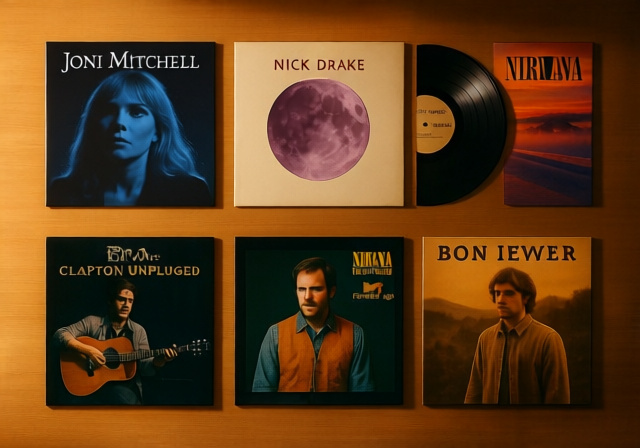
    Joni Mitchell – Blue (1971)

    Widely regarded as one of the greatest albums ever made, Blue represents the pinnacle of confessional songwriting. Mitchell uses open tunings and complex guitar patterns to create a uniquely personal sound. Songs like “A Case of You” and “California” capture heartbreak and longing with startling intimacy.

    Guitar innovation: Mitchell’s use of alternative tunings (at least 50 different ones across her career) expanded the possibilities of acoustic guitar and influenced countless players.

    Nick Drake – Pink Moon (1972)

    Recorded in just two nights with just Drake’s voice and acoustic guitar, Pink Moon is a hauntingly beautiful album that has grown in stature since its initial poor reception. The intricate fingerpicking patterns and poetic lyrics create an otherworldly atmosphere.

    Production note: The album’s minimalist approach—no overdubs, just one microphone for guitar and one for voice—creates an intimacy that makes listeners feel like they’re in the room with Drake.

    James Taylor – Sweet Baby James (1970)

    Taylor’s breakthrough album established him as the leading light of the 1970s singer-songwriter movement. His fingerstyle guitar playing, influenced by blues and folk, provides the perfect foundation for his warm baritone voice and introspective lyrics.

    Signature sound: “Fire and Rain” features Taylor’s distinctive guitar style, characterized by intricate bass lines played with the thumb while the fingers handle melody and harmony.

    The 1980s Technical Innovation

    Michael Hedges – Breakfast in the Field (1981)

    Hedges revolutionized acoustic guitar playing with his “new age” approach that incorporated percussive techniques, alternate tunings, and two-handed tapping. This debut album showcased his revolutionary style and inspired a generation of acoustic guitarists to think beyond traditional techniques.

    Technical innovations: Hedges used the guitar as a complete percussion and melody instrument, creating orchestral textures from a single acoustic guitar.

    Tracy Chapman – Tracy Chapman (1988)

    This Grammy-winning debut brought acoustic protest songs back to the mainstream in the late 1980s. Chapman’s powerful voice and stark acoustic guitar accompaniment on songs like “Fast Car” and “Talkin’ ‘Bout a Revolution” proved that acoustic music could still be commercially and culturally relevant.

    Cultural impact: The album’s massive success (over 20 million copies sold) paved the way for other acoustic-oriented artists in the 1990s.

    The 1990s Unplugged Phenomenon

    Eric Clapton – Unplugged (1992)

    This live recording became the best-selling live album of all time and introduced a new generation to Clapton’s blues roots. Stripped of electric amplification, songs like “Layla” and “Tears in Heaven” take on new emotional depth in their acoustic arrangements.

    Playing style: Clapton’s fingerstyle blues approach on this album influenced many rock guitarists to explore acoustic playing more seriously.

    Nirvana – MTV Unplugged in New York (1994)

    Recorded just months before Kurt Cobain’s death, this acoustic performance reveals Nirvana’s unexpected sensitivity and musical depth. The stripped-down arrangements of songs like “About a Girl” and “All Apologies,” along with covers of Lead Belly and David Bowie songs, showcase the band’s songwriting brilliance.

    Emotional impact: The raw, exposed nature of these performances takes on added poignancy given Cobain’s subsequent death, making this one of the most powerful acoustic albums ever recorded.

    Elliott Smith – Either/Or (1997)

    Smith’s third album represents the peak of his intimate, whispery style. The delicate acoustic arrangements and haunting lyrics create an atmosphere of beautiful melancholy. Tracks like “Between the Bars” and “Angeles” showcase Smith’s incredible gift for melody and his unique fingerpicking style.

    Technical approach: Smith often recorded with multiple acoustic guitar tracks, creating rich textures while maintaining an intimate feel.

    The 2000s Indie Folk Revival

    Bon Iver – For Emma, Forever Ago (2007)

    Recorded alone in a Wisconsin cabin during winter, Justin Vernon’s debut as Bon Iver captures isolation and emotional rawness. The layered acoustic guitars and falsetto vocals create a unique sound that would influence countless indie artists.

    Recording innovation: Vernon used primitive recording equipment and techniques, contributing to the album’s intimate, homespun feel.

    Iron & Wine – The Creek Drank the Cradle (2002)

    Sam Beam’s debut album, recorded on a four-track in his bedroom, features hushed vocals and intricate acoustic guitar work. The lo-fi production actually enhances the intimate atmosphere, creating a sound that feels both ancient and modern.

    Unique approach: Beam often plays slide guitar on a resonator, giving his acoustic sound a distinctive, bluesy character.

    The 2010s Modern Acoustic Renaissance

    The Civil Wars – Barton Hollow (2011)

    The duo of Joy Williams and John Paul White created magic with their blend of gospel, folk, and Americana. Their harmonies, reminiscent of classic duos like Simon & Garfunkel but with a darker edge, combined with sparse acoustic arrangements, made this an instant classic.

    Vocal chemistry: The interplay between Williams’ clear soprano and White’s gritty baritone creates dramatic tension throughout the album.

    Hozier – Hozier (2014)

    While known for the rock hit “Take Me to Church,” much of Hozier’s debut album features acoustic-driven soul and gospel influences. Songs like “Work Song” and “Jackie and Wilson” showcase his soulful voice over sparse acoustic arrangements.

    Gospel influences: Hozier incorporates gospel and blues elements into his acoustic songwriting, creating a sound that feels both traditional and contemporary.

    Gregory Alan Isakov – The Stable Song (2013)

    Isakov blends folk, country, and indie influences in his acoustic songwriting. The title track showcases his fingerstyle guitar work and poetic lyrics, while other songs incorporate subtle strings and percussion without overwhelming the acoustic foundation.

    Atmospheric approach: Isakov often uses open tunings and fingerpicking patterns that create a dreamy, atmospheric quality in his music.

    Phoebe Bridgers – Stranger in the Alps (2017)

    Bridgers’ debut album brought confessional songwriting into the 21st century with devastating emotional honesty. The acoustic arrangements, often featuring just guitar and vocals with subtle orchestration, perfectly serve her intimate lyrics.

    Modern confessional: Bridgers continues the tradition of artists like Joni Mitchell and Elliott Smith but with a distinctly 21st-century sensibility.

    Big Thief – Two Hands (2019)

    Recorded quickly and raw, Two Hands captures the band’s intense energy. While featuring electric elements on some tracks, the acoustic foundation of songs like “Not” and “Cut My Hair” showcases Adrianne Lenker’s incredible songwriting and guitar playing.

    Raw emotion: The album was recorded to capture the immediacy of the songs, with minimal overdubs and maximum emotional impact.

    Adrianne Lenker – Songs (2020)

    Big Thief’s frontwoman released this double album of solo acoustic songs during the pandemic. Recorded on a four-track with just acoustic guitar and voice, these songs demonstrate Lenker’s mastery of fingerstyle guitar and her gift for poetic, deeply personal lyrics.

    Pandemic masterpiece: The intimate recording method and deeply introspective songs perfectly capture the isolation and reflection of the pandemic era.

    Nick Cave – Ghosteen (2019)

    Following the death of his son, Cave created this devastatingly beautiful double album that blends acoustic arrangements with subtle electronic elements. The first disc features sparse acoustic songs that showcase Cave’s evolved vocal delivery and deeply personal lyrics.

    Emotional depth: Few albums capture grief and healing with such raw honesty and musical beauty. The acoustic arrangements allow Cave’s lyrics to take center stage.

    The Unplugged Phenomenon: When Stars Went Acoustic

    The MTV Unplugged series, which ran from 1989 to 1999, created a cultural phenomenon that brought acoustic versions of popular songs to mainstream audiences. The show’s simple premise—artists performing their songs with acoustic instruments—revealed the fundamental strength of well-written songs.

    Beyond Clapton and Nirvana, memorable Unplugged performances included Pearl Jam’s raw 1992 set, Bob Dylan’s 1994 comeback, and Lauryn Hill’s 2001 showcase. These performances proved that great songs work in any arrangement and introduced acoustic music to rock fans who might not have otherwise explored it.

    Fingerstyle Masterpieces: Technical Brilliance on Acoustic Guitar

    While many acoustic albums focus on songwriting, some artists have pushed the technical boundaries of what’s possible on acoustic guitar. Michael Hedges, mentioned earlier, pioneered the “new age” acoustic style. Leo Kottke’s 6- and 12-string guitar albums from the 1970s combined complex picking patterns with a uniquely American sensibility.

    Tommy Emmanuel, the Australian virtuoso, has expanded the fingerstyle tradition with his energetic performances that incorporate bass lines, melody, and percussion simultaneously. French guitarist Pierre Bensusan’s “Intuite” (2001) showcases his unique approach to DADGAD tuning and Celtic-influenced melodies.

    The Singer-Songwriter Revolution: Intimate Acoustic Storytelling

    The 1970s singer-songwriter movement, led by artists like Joni Mitchell, James Taylor, and Carole King, established the acoustic guitar as the perfect vehicle for personal expression. These artists wrote deeply personal songs that resonated with millions, proving that intimate acoustic performances could have mass appeal.

    This tradition continues today with artists like Phoebe Bridgers, Julien Baker, and Lucy Dacus, who carry the torch of confessional songwriting into the 21st century, addressing contemporary issues with the same honesty and vulnerability as their predecessors.

    Modern Acoustic Albums (Post-2010): The Digital Age Acoustic Renaissance

    Contrary to predictions that acoustic music would fade in the digital age, the 2010s and early 2020s have seen a remarkable acoustic renaissance. Artists like Bon Iver, The Civil Wars, and Gregory Alan Isakov have found massive audiences with acoustic-based music that incorporates subtle production elements without losing the authentic acoustic foundation.

    Streaming platforms have actually helped acoustic music reach new audiences, with curated playlists and algorithmic recommendations introducing listeners to acoustic artists they might not have discovered otherwise. The vinyl revival has also benefited acoustic albums, as the warm, analog sound of vinyl complements the natural resonance of acoustic instruments.

    International Acoustic Gems: Beyond Western Traditions

    While this list focuses primarily on Western acoustic traditions, it’s worth noting the incredible acoustic music from around the world. Brazilian bossa nova albums like João Gilberto’s “Chega de Saudade” (1959) revolutionized acoustic guitar playing with their intricate rhythms and harmonies.

    Indian classical music features incredible acoustic instruments like the sitar and tabla, while African acoustic traditions from artists like Ali Farka Touré showcase the deep connections between American blues and West African music. Exploring these international acoustic traditions can enrich any music lover’s understanding and appreciation of acoustic music’s global impact.

    Technical Insights: What Makes These Albums Special for Guitar Players

    For guitar players, these albums offer endless inspiration and learning opportunities. Joni Mitchell’s use of alternate tunings demonstrates how changing the guitar’s standard tuning can open up new harmonic possibilities. Her approach has influenced countless players to experiment with tunings beyond standard EADGBE.

    Nick Drake’s sophisticated fingerpicking patterns, often using alternate tunings, create complex harmonies and melodies that seem to float above each other. Studying his playing can improve finger independence and understanding of harmony.

    Modern players like Adrianne Lenker and Phoebe Bridgers often use open tunings and unconventional chord shapes to create their distinctive sounds. Their playing, while not technically virtuosic, perfectly serves their songs and emotional expression.

    ⚠️ Pro Tip: When learning from these albums, start by focusing on the rhythm and feel before attempting to note-for-note transcriptions. The emotional delivery is often more important than technical precision.

    Where to Listen and Buy: Your Acoustic Album Discovery Guide

    Streaming Platforms

    All the albums on this list are available on major streaming platforms like Spotify, Apple Music, and Tidal. Spotify’s “Acoustic” and “Folk & Acoustic” playlists are great starting points for discovering new acoustic artists.

    Vinyl Options

    For the best listening experience, consider investing in vinyl versions of these albums. Many, like Joni Mitchell’s “Blue” and Nick Drake’s “Pink Moon,” have received high-quality reissues in recent years. Expect to pay $25-45 for standard pressings, with special editions running $50-100+.

    Digital Downloads

    Bandcamp has become an essential platform for discovering new acoustic artists, with many offering high-quality digital downloads (typically $10-15) and often the option to purchase physical editions directly from the artist.

    The Timeless Appeal of Acoustic Albums: More Than Just Music

    Acoustic albums continue to resonate because they capture something fundamental about human expression—the direct, unmediated communication between artist and listener. In an era of digital perfection and auto-tuned vocals, these recordings remind us of the beauty in imperfection and the power of authentic human connection.

    As we move further into the digital age, acoustic albums serve as anchors to our musical heritage while continuing to evolve and inspire new generations. Whether you’re discovering these albums for the first time or revisiting old favorites, they offer something that never goes out of style: honest, heartfelt music that speaks directly to the soul.

    The best acoustic albums aren’t just collections of songs—they’re snapshots of human experience, technical achievements that continue to inspire musicians, and cultural artifacts that remind us of music’s power to comfort, challenge, and connect us across time and space. 

  • Best 90s Alternative Bands: 30 Essential Artists (October 2026)

    Best 90s Alternative Bands: 30 Essential Artists (October 2026)

    The 1990s wasn’t just a decade—it was a musical revolution that forever changed how we think about rock music. As the glossy excess of the 80s gave way to something rawer, more authentic, and unapologetically real, alternative rock emerged as the voice of a generation searching for meaning in a rapidly changing world.

    The best 90s alternative bands didn’t just write songs—they created movements, challenged conventions, and gave voice to the anxieties, hopes, and contradictions of their time. From the muddy waters of Seattle’s grunge scene to the dance floors of Manchester’s Madchester movement, from the swirling atmospherics of shoegaze to the anthemic britpop that dominated the UK charts, alternative music in the 90s was as diverse as it was influential.

    Having spent countless hours immersed in the music of this era—both as a fan and as someone who’s interviewed musicians, attended festivals, and watched these movements unfold in real time—I’ve compiled what I believe are the 30 most essential alternative bands of the 1990s. This isn’t just a popularity contest; it’s a celebration of the artists who pushed boundaries, created lasting legacies, and continue to inspire musicians today.

    My ranking considers not just chart success, but cultural impact, musical innovation, and lasting influence on subsequent generations. From the obvious icons to the cult favorites that defined specific subgenres, here are the bands that made the 90s alternative scene so unforgettable.

    The 30 Essential 90s Alternative Bands

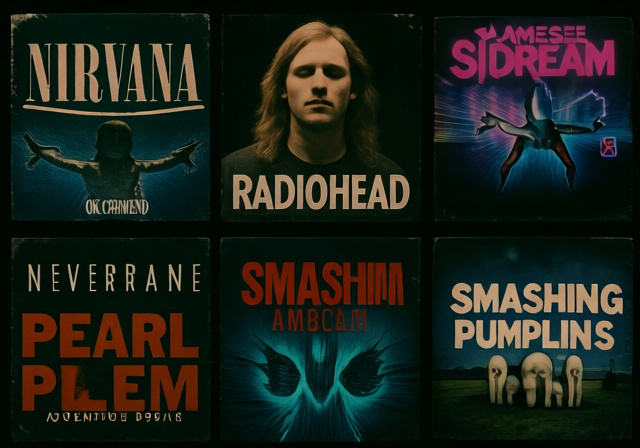
    1. Nirvana

    No discussion of 90s alternative music can begin without Nirvana. The trio from Aberdeen, Washington, didn’t just popularize grunge—they mainstreamed alternative rock itself. “Nevermind” (1991) was more than an album; it was a cultural reset that knocked Michael Jackson from the top of the charts and signaled the end of hair metal’s dominance.

    Kurt Cobain’s songwriting combined raw emotion with deceptively catchy melodies, creating anthems like “Smells Like Teen Spirit” that captured the disillusionment of Generation X. The band’s three-album catalog—”Bleach” (1989), “Nevermind” (1991), and “In Utero” (1993)—remains a masterclass in blending punk energy with pop sensibilities. Cobain’s tragic death in 1994 only cemented Nirvana’s legendary status, making them the most influential alternative band of the decade.

    2. Radiohead

    If Nirvana represented the raw, emotional side of 90s alternative, Radiohead embodied its artistic ambition. Starting with the anthemic “Creep” in 1992, the Oxford quintet initially seemed like standard alt-rock fare. But with “The Bends” (1995) and especially “OK Computer” (1997), they transcended the genre to create something entirely new.

    “OK Computer” stands as perhaps the definitive statement of pre-millennial anxiety, with Thom Yorke’s haunting vocals and Jonny Greenwood’s innovative guitar work painting a portrait of technological alienation that feels even more relevant today. The band’s willingness to experiment—from the glitchy electronics of “Kid A” (2000) to the orchestral beauty of “In Rainbows” (2007)—has influenced countless artists across genres.

    3. Pearl Jam

    Pearl Jam emerged from the same Seattle scene as Nirvana but carved out their own unique path. Their 1991 debut “Ten” was a slow-burning phenomenon that, along with Nirvana’s “Nevermind,” brought grunge to the masses. Eddie Vedder’s baritone vocals and the band’s classic rock-inspired musicianship made them arena-rock stars who never lost their alternative cred.

    What set Pearl apart was their longevity and integrity. After achieving massive success, they famously battled Ticketmaster over ticket prices, refused to make music videos for years, and continued to evolve musically. Albums like “Vs.” (1993), “Vitalogy” (1994), and “No Code” (1996) showed a band willing to take risks while maintaining their connection with fans.

    4. R.E.M.

    While R.E.M. formed in the early 80s and helped define college rock, the 90s saw them reach commercial superstardom without sacrificing their artistic vision. Albums like “Out of Time” (1991) and “Automatic for the People” (1992) featured some of the decade’s most enduring songs, including “Losing My Religion,” “Man on the Moon,” and “Everybody Hurts.”

    Michael Stipe’s distinctive vocals and enigmatic lyrics, Peter Buck’s jangly guitar work, and the band’s commitment to political and environmental causes made them alternative icons. Their influence extended beyond music—they showed that you could maintain artistic integrity while achieving massive success.

    5. The Smashing Pumpkins

    Few bands embodied the ambitious excess of the 90s like The Smashing Pumpkins. Led by the prolific and often volatile Billy Corgan, the Chicago-based band created grand, guitar-heavy epics that blended alternative rock with progressive rock ambitions. Their 1993 masterpiece “Siamese Dream” and the double-album “Mellon Collie and the Infinite Sadness” (1995) defined alternative rock’s blockbuster potential.

    The Pumpkins’ sound—characterized by Corgan’s distinctive vocals, layered guitars, and dynamics ranging from whisper-quiet to ear-splittingly loud—influenced countless bands. Their willingness to experiment with different styles, from the gothic atmosphere of “Adore” (1998) to the electronic elements of “Machina/The Machines of God” (2000), showed remarkable artistic range.

    6. Sonic Youth

    If any band can be called the godparents of alternative rock, it’s Sonic Youth. Formed in New York in 1981, the quartet spent the 80s pioneering alternative guitar techniques and noise rock aesthetics. In the 90s, they signed to a major label and created some of their most accessible work, including “Goo” (1990) and “Dirty” (1992).

    Thurston Moore and Lee Ranaldo’s unconventional guitar tunings and use of feedback, Kim Gordon’s bass lines and feminist perspective, and Steve Shelley’s powerful drumming created a template that influenced countless alternative and indie bands. Their 1991 collaboration with Iggy Pop, “Brick by Brick,” and their 1994 album “Experimental Jet Set, Trash and No Star” showed their continued relevance in the alternative landscape.

    7. Pixies

    Like R.E.M., the Pixies formed in the 80s but their influence exploded in the 90s. Their signature “loud-quiet-loud” dynamics and surreal lyrics directly influenced Nirvana, and their 1989 album “Doolittle” is regularly cited as one of the greatest alternative albums ever recorded.

    The band’s 1990-1993 hiatus only added to their mystique, and when they reunited in the early 2000s, they were recognized as one of the most important American rock bands of all time. Songs like “Where Is My Mind?” (featured in “Fight Club”) and “Debaser” continue to appear in films and commercials, proving their enduring cultural impact.

    8. Oasis

    Oasis represented the Britpop movement’s swagger and ambition. Formed in Manchester by brothers Noel and Liam Gallagher, the band combined Beatles-esque melodies with working-class attitude and rock star excess. Their 1994 debut “Definitely Maybe” and 1995’s “(What’s the Story) Morning Glory?” made them international superstars.

    Songs like “Live Forever,” “Wonderwall,” and “Champagne Supernova” became generational anthems, while the Gallagher brothers’ feuds provided endless tabloid fodder. Oasis’s influence extended beyond music—they defined 90s British culture and inspired countless guitar-based bands in their wake.

    9. Blur

    If Oasis were the working-class heroes of Britpop, Blur were its art-school intellectuals. Formed in London in 1988, the band evolved from Madchester-inspired dance-rock to become Britpop standard-bearers with their 1994 album “Parklife.” The rivalry between Blur and Oasis defined British pop culture in the mid-90s.

    Damon Albarn’s witty, observational lyrics about British life, Graham Coxon’s innovative guitar work, and the band’s musical versatility made them more than just a Britpop band. Later albums like “Blur” (1997) and “13” (1999) showed their willingness to experiment, paving the way for Albarn’s later work with Gorillaz.

    10. Nine Inch Nails

    Trent Reznor’s Nine Inch Nails brought industrial music into the alternative mainstream. The 1989 debut “Pretty Hate Machine” blended electronic beats with rock aggression, but it was 1994’s “The Downward Spiral” that cemented Reznor’s status as an alternative icon.

    NIN’s fusion of electronic music, metal, and punk created a sound that was both innovative and commercially successful. Reznor’s dark, introspective lyrics about addiction, depression, and alienation resonated with a generation of alternative fans. The band’s influence can be heard in everything from industrial metal to electronic music.

    11. Green Day

    Green Day brought punk rock back to the mainstream in the mid-90s. Formed in the Bay Area in 1987, the band had built a following in the punk underground before signing to a major label and releasing “Dookie” in 1994. The album’s catchy, three-chord punk anthems like “Basket Case” and “When I Come Around” made the band superstars.

    What set Green Day apart was their songwriting craft—Billie Joe Armstrong had a knack for writing hooks that could appeal to both punk purists and pop fans. Their success paved the way for the pop-punk explosion of the late 90s and early 2000s.

    12. Beck

    Beck Hansen emerged as one of the 90s most innovative and unpredictable artists. After his slacker anthem “Loser” became an unlikely hit in 1994, he confounded expectations with each subsequent release. “Mellow Gold” (1994) blended folk, hip-hop, and rock, while “Odelay” (1996) featured cutting-edge production by the Dust Brothers.

    Beck’s ability to seamlessly blend genres—from the country-folk of “Mutations” (1998) to the party funk of “Midnite Vultures” (1999)—made him one of the decade’s most unique voices. His influence can be heard in countless indie and alternative artists who refuse to be confined by genre boundaries.

    13. The Cure

    Like R.E.M. and Pixies, The Cure formed in the late 70s/early 80s but had a major impact on 90s alternative music. Their gothic post-punk sound influenced countless bands, and their 1992 album “Wish” showed they could still create compelling music. Songs like “Friday I’m In Love” proved they could write upbeat pop songs without losing their dark edge.

    Robert Smith’s distinctive voice, back-combed hair, and mascara defined goth aesthetics for a generation. The band’s influence extended beyond music—they created an entire visual and emotional vocabulary that alternative artists continue to draw from today.

    14. Red Hot Chili Peppers

    The Red Hot Chili Peppers spent the 80s building a following with their unique blend of funk, punk, and rock. In the 90s, they became alternative superstars with albums like “Blood Sugar Sex Magik” (1991), which featured hits like “Give It Away” and “Under the Bridge.”

    Anthony Kiedis’s stream-of-consciousness lyrics, Flea’s virtuosic bass playing, John Frusciante’s Hendrix-inspired guitar work, and Chad Smith’s powerful drumming created a sound that was both innovative and accessible. The band’s funk-rock fusion influenced countless alternative and nu-metal bands.

    15. Foo Fighters

    Few bands have a more interesting origin story than Foo Fighters. After Kurt Cobain’s death, Nirvana drummer Dave Grohl retreated to a studio and recorded an album’s worth of songs on his own, playing every instrument himself. The resulting self-titled 1995 debut launched Grohl’s second act as a frontman.

    What began as a solo project evolved into a proper band that became one of alternative rock’s most reliable hit-makers. Albums like “The Colour and the Shape” (1997) and “There Is Nothing Left to Lose” (1999) showed Grohl’s knack for writing arena-sized rock anthems with emotional depth. The Foo Fighters proved that you could achieve massive success without losing your alternative credibility.

    16. Björk

    Iceland’s Björk Guðmundsdóttir defied categorization throughout the 90s. After leaving her band The Sugarcubes, she embarked on a solo career that produced some of the decade’s most innovative music. “Debut” (1993) blended electronic music with pop sensibilities, while “Post” (1995) and “Homogenic” (1997) pushed further into experimental territory.

    Björk’s otherworldly voice, theatrical performances, and willingness to collaborate with cutting-edge producers made her a true original. Her influence extends beyond alternative music into electronic, art pop, and avant-garde circles. She proved that alternative music could be both intellectually challenging and emotionally resonant.

    17. Jane’s Addiction

    Jane’s Addiction were crucial bridging figures between 80s alternative and 90s alternative rock. Their 1988 debut “Nothing’s Shocking” and 1990’s “Ritual de lo Habitual” combined Perry Farrell’s theatrical vocals, Dave Navarro’s virtuosic guitar work, and a rhythm section that could handle both funk and metal.

    More importantly, Farrell founded Lollapalooza in 1991, creating the touring festival that would define alternative culture for much of the decade. The band’s influence can be heard in everything from alt-metal to art rock, and their reunion tours continue to draw massive crowds.

    18. My Bloody Valentine

    Few bands were as influential with as little mainstream success as My Bloody Valentine. The Irish-English band pioneered the shoegaze movement with their unique blend of buried vocals, massive guitar walls, and dreamy atmospherics. Their 1991 album “Loveless” is widely regarded as a masterpiece that influenced generations of indie and alternative artists.

    Kevin Shields’ innovative guitar techniques—using tremolo arms and reverse reverb to create oceanic waves of sound—created a sonic template that bands continue to emulate today. The band’s 22-year gap between albums only added to their mystique, and their 2013 comeback proved their enduring influence.

    19. The Stone Roses

    The Stone Roses defined the Madchester scene of the late 80s and early 90s. Their 1989 self-titled debut album blended indie rock with dance music influences, creating a sound that would influence Britpop and beyond. Songs like “I Wanna Be Adored” and “Fools Gold” became anthems of the era.

    The band’s 1994 follow-up “The Second Coming” was delayed for years due to legal issues, but when it finally arrived, it showed the band’s rock influences more prominently. Ian Brown’s cool, detached vocals and John Squire’s Hendrix-inspired guitar playing made them style icons as much as musical innovators.

    20. Pavement

    Pavement embodied the lo-fi indie aesthetic that became an important part of 90s alternative music. Formed in California, the band recorded their early releases on four-track cassette, creating a deliberately rough sound that contrasted with the polished production of mainstream rock.

    Stephen Malkmus’s cryptic lyrics and laconic vocals, combined with Scott Kannberg’s melodic guitar work, created a sound that was both challenging and catchy. Albums like “Slanted and Enchanted” (1992) and “Crooked Rain, Crooked Rain” (1994) influenced the entire indie rock movement of the 90s and beyond.

    21. Weezer

    Weezer brought power-pop sensibilities to alternative rock. Their 1994 self-titled debut (known as “The Blue Album”) featured perfectly crafted three-minute songs about insecurity, geek culture, and unrequited love. “Buddy Holly” and “Say It Ain’t So” became alternative radio staples.

    Rivers Cuomo’s songwriting blended geeky charm with rock power, creating a template that countless alternative and pop-punk bands would follow. The band’s 1996 follow-up “Pinkerton” was initially panned but is now considered a cult classic that influenced the emo movement of the 2000s.

    22. Portishead

    Portishead pioneered trip-hop with their 1994 debut “Dummy.” Beth Gibbons’ haunting vocals over atmospheric, sample-based production created a sound that was both noir-ish and futuristic. The album won the Mercury Prize and influenced countless electronic and alternative artists.

    The band’s willingness to perform with live instrumentation on their 1997 follow-up “Portishead” showed their musical depth. Their influence can be heard in everything from downtempo electronic music to the atmospherics of modern alternative bands.

    23. Alice in Chains

    Alice in Chains brought a darker, more metallic edge to the grunge movement. Layne Staley’s haunting harmonies with Jerry Cantrell, combined with the band’s down-tuned guitars, created a sound that was both heavy and melodic. “Facelift” (1990), “Dirt” (1992), and “Alice in Chains” (1995) are all essential grunge documents.

    The band’s exploration of addiction and depression in their lyrics gave them emotional depth beyond typical hard rock. Their influence can be heard in modern metal and alternative metal bands, and their reunion with William DuVall has introduced their music to new generations.

    24. Massive Attack

    Along with Portishead, Massive Attack helped define trip-hop in the 90s. The Bristol collective’s 1991 debut “Blue Lines” created a new musical vocabulary by blending hip-hop, dub, soul, and electronic music. “Protection” (1994) and “Mezzanine” (1998) further refined their dark, atmospheric sound.

    The group’s collaborative approach—working with various vocalists including Horace Andy, Shara Nelson, and Elizabeth Fraser—created a template for modern electronic music production. Their influence extends from trip-hop to the broader electronic music landscape.

    25. Soundgarden

    Soundgarden were the godfathers of the Seattle grunge scene. Formed in 1984, they combined Black Sabbath-style metal with punk energy and Chris Cornell’s incredible vocal range. “Badmotorfinger” (1991), “Superunknown” (1994), and “Down on the Upside” (1996) showed the band’s evolution from metal to more melodic alternative rock.

    Cornell’s powerful voice and the band’s odd time signatures set them apart from other grunge bands. Their influence extends from grunge to modern alternative metal, and their 2010 reunion was celebrated by fans old and new.

    26. The Verve

    The Verve combined psychedelic rock with orchestral ambitions. Their 1997 album “Urban Hymns” featured the massive hit “Bitter Sweet Symphony,” which used a sample of The Rolling Stones and became one of the defining songs of the decade.

    Richard Ashcroft’s charismatic presence and Nick McCabe’s expansive guitar work created epic songs that touched on spiritual themes. The band’s internal conflicts led to multiple breakups, but their music continues to resonate with fans of ambitious alternative rock.

    27. Elliott Smith

    Elliott Smith brought intimate, acoustic songwriting to alternative music. Starting in the Portland indie scene, he gained wider recognition through his contributions to the “Good Will Hunting” soundtrack. Albums like “Either/Or” (1997) and “XO” (1998) showcased his gift for melody and dark, introspective lyrics.

    Smith’s whispery vocals and complex guitar work influenced the indie folk movement of the 2000s. His tragic death in 2003 only added to his mystique, but his musical legacy continues through artists who value emotional honesty and technical craft.

    28. Fugazi

    Fugazi embodied the DIY ethic of punk and post-hardcore. Formed by former Minor Threat members Ian MacKaye and Guy Picciotto, the band maintained complete independence from the music industry, releasing albums on their own Dischord label and keeping ticket prices low.

    Their angular guitar work, complex rhythms, and politically charged lyrics influenced countless alternative and indie bands. Albums like “Repeater” (1990) and “In on the Kill Taker” (1993) showed that you could be both artistically ambitious and commercially successful on your own terms.

    29. Hole

    Hole brought feminist perspectives and raw energy to alternative rock. Led by Courtney Love, the band’s 1994 album “Live Through This” was released just days after Kurt Cobain’s death and featured some of the decade’s most powerful alternative rock songs.

    Love’s confrontational stage presence and honest lyrics about womanhood and addiction made her a controversial but important figure in alternative music. The band’s evolution from raw punk to more polished alternative rock on 1998’s “Celebrity Skin” showed their range.

    30. Suede

    Suede (known as The London Suede in the US) kicked off the Britpop movement with their 1993 self-titled debut. Brett Anderson’s androgynous charisma and Bernard Butler’s glam-influenced guitar work created a sound that was both nostalgic and forward-looking.

    While often overshadowed by Blur and Oasis in the US, Suede’s influence on British alternative music was enormous. Their combination of glam rock, indie, and pop sensibilities paved the way for the Britpop explosion that followed.

    The Alternative Revolution: How 90s Bands Changed Music

    The alternative rock movement of the 1990s represented more than just a change in musical style—it was a fundamental shift in how music was created, distributed, and consumed. When the decade began, the music industry was dominated by major labels, corporate radio, and MTV’s heavy rotation of hair metal and pop stars. By the end of the decade, alternative bands had rewritten the rules.

    The technological changes of the era played a crucial role. The rise of digital recording made it possible for bands to create professional-sounding albums without expensive studio time. The underground tape trading scene evolved into CD-R circulation, allowing fans to discover bands that major labels ignored. College radio stations, once the domain of niche audiences, became tastemakers that could break alternative bands nationally.

    Culturally, alternative music reflected the anxieties and aspirations of Generation X. The cynicism and alienation in Nirvana’s lyrics, the introspection of R.E.M., the political anger of Rage Against the Machine, and the feminist perspectives of Hole and Bikini Kill created a soundtrack for a generation questioning traditional values. Alternative wasn’t just music—it was an identity.

    The Enduring Influence of 90s Alternative

    The impact of 90s alternative music continues to reverberate through contemporary music. When you hear the guitars in Paramore or Foo Fighters, you’re hearing echoes of Nirvana and The Smashing Pumpkins. The atmospheric production of Billie Eilish owes a debt to Portishead and trip-hop. The genre-blending of artists like Halsey and Twenty One Pilots follows the path blazed by Beck and Björk.

    Streaming platforms have introduced these bands to new generations. Nirvana, Pearl Jam, and Radiohead regularly appear on Spotify’s most-streamed artists, with millions of monthly listeners. Vinyl reissues of 90s alternative albums sell out quickly, proving that younger music fans still crave the authenticity and emotional depth of the era.

    Many of these bands continue to tour and record. Radiohead’s members pursue various projects, Pearl Jam remains one of rock’s biggest live draws, and even bands that seemed gone forever, like My Bloody Valentine and Pixies, have reunited to critical acclaim. The 90s alternative movement wasn’t just a moment—it was the foundation for much of the alternative and indie music that followed.

    Honorable Mentions: More Great 90s Alternative Bands

    Space constraints prevent including every worthy band, but these artists also made significant contributions to 90s alternative music:

    • Bikini Kill: Pioneers of the riot grrrl movement, bringing feminist politics to punk rock
    • Rage Against the Machine: Fused rap and metal with revolutionary political messages
    • The Afghan Whigs: Combined soul and R&B influences with alternative rock
    • Dinosaur Jr.: 80s indie pioneers who had significant impact in the 90s
    • Therapy?: Irish band that blended metal and alternative with intellectual lyrics
    • Supergrass: Britpop band with punk energy and pop hooks
    • Buffalo Tom: College rock survivors who influenced the emo movement
    • Sleater-Kinney: All-female trio that pushed punk and indie boundaries

    The legacy of 90s alternative music isn’t just in the bands themselves—it’s in how they changed the relationship between artists and fans, how they proved that independent music could find a mass audience, and how they created a musical vocabulary that continues to evolve today. As streaming services make music from every era instantly accessible, the innovations of these 90s alternative bands remain as fresh and influential as ever. 

  • Best 2000s Female Singers (October 2026)

    Best 2000s Female Singers (October 2026)

    The 2000s marked a revolutionary era for female artists in music. It was a decade when women dominated the charts, shattered records, and transformed the industry landscape. From pop princesses to soulful R&B divas, female singers weren’t just making hits—they were creating cultural moments that still resonate today.

    What made the 2000s so special for female artists? It was the perfect storm of technological change, MTV’s influence at its peak, and the rise of digital downloads creating new superstars. This decade gave us some of the best female singers who would go on to become legends in their own right.

    In this comprehensive guide, we’ll explore 40+ incredible female singers who made the 2000s unforgettable. You’ll discover chart-toppers, Grammy winners, and hidden gems who contributed to one of music’s most diverse decades. Whether you’re feeling nostalgic or discovering these artists for the first time, get ready for a journey through the voices that defined a generation.

    Pop Revolution: The Queens of Mainstream Music

    Pop music in the 2000s was dominated by female artists who weren’t just singers—they were brands, performers, and cultural phenomena. The decade began with the teen pop explosion and evolved into sophisticated pop artistry that would influence generations to come.

    The Pop Princess Era (2000-2005) saw artists like Britney Spears and Christina Aguilera transition from teen idols to mature artists. Their albums sold millions, their videos broke viewership records, and their personal lives became tabloid fodder. Britney’s “Oops!…I Did It Again” (2000) sold over 1.3 million copies in its first week, a record that stood for 15 years.

    But the pop landscape shifted dramatically mid-decade. Artists like Pink redefined what a pop star could be, blending rock attitude with pop sensibilities. Her 2001 hit “Get the Party Started” and 2002’s “Just Like a Pill” showcased a raw authenticity that resonated with millions. Pink’s career longevity—still charting hits today—proves her staying power beyond typical pop cycles.

    The late 2000s introduced Lady Gaga, whose theatrical approach to pop music would revolutionize the genre. Her 2008 debut album “The Fame” spawned five consecutive top-10 hits, including “Just Dance” and “Poker Face,” establishing her as pop’s most innovative new voice.

    Quick Summary: The 2000s pop scene was dominated by female artists who evolved from teen idols to sophisticated performers, with Britney Spears, Christina Aguilera, Pink, and Lady Gaga leading the revolution through record-breaking sales and cultural influence.

    R&B Renaissance: Soulful Voices That Changed the Game

    If pop was the decade’s commercial backbone, R&B was its soul. The 2000s witnessed an incredible evolution of R&B music, with female artists pushing boundaries and creating some of the most enduring music of the era.

    Beyoncé emerged as perhaps the decade’s most dominant force. After Destiny’s Child went on hiatus in 2001, her solo career skyrocketed. Her 2003 debut “Dangerously in Love” debuted at #1 and featured the iconic “Crazy in Love.” By decade’s end, she had become a global icon whose influence extended far beyond music into fashion, business, and culture.

    The neo-soul movement brought artists like Alicia Keys to prominence. Her 2001 debut “Songs in A Minor” went platinum 6x over, showcasing her classical piano training blended with soulful vocals. “Fallin’” topped the charts for six weeks and announced the arrival of a serious musical talent who would become one of the decade’s most respected artists.

    Mariah Carey, already a legend from the 90s, experienced a remarkable comeback in the 2000s. Her 2005 album “The Emancipation of Mimi” returned her to commercial success, with “We Belong Together” becoming the decade’s most played song on American radio. This resurgence solidified her status as one of music’s most resilient and talented vocalists.

    The decade also saw the rise of artists like Ashanti, who in 2002 became the first female artist to hold the top two positions on both the Billboard Hot 100 and Billboard R&B charts simultaneously. Her self-titled debut sold 504,000 copies in its first week, making it the biggest opening week for a female debut artist ever at that time.

    Rock & Alternative: The Women Who Broke the Mold

    While pop and R&B dominated the charts, the 2000s also saw female artists making significant inroads in rock and alternative music. These artists proved that women could shred guitars, lead bands, and bring raw energy to traditionally male-dominated genres.

    Avril Lavigne burst onto the scene in 2002 with “Let Go,” an album that perfectly captured the skate-punk attitude of the era. “Complicated” and “Sk8er Boi” became anthems for a generation of teens seeking authenticity. Her success—selling over 12 million copies in the US alone—opened doors for other female-fronted pop-punk acts.

    The indie rock scene welcomed artists like Regina Spektor, whose quirky piano compositions and distinctive vocal style made her a cult favorite. Her 2006 album “Begin to Hope” went gold and showcased the decade’s growing appetite for alternative female voices.

    Amy Winehouse emerged in 2006 with “Back to Black,” an album that blended soul, jazz, and R&B into something entirely unique. Her raw honesty about addiction and heartbreak, combined with her incredible vocal talent, made her one of the decade’s most compelling artists. “Rehab” became an international hit and earned her five Grammy Awards, including Song of the Year, Record of the Year, and Best New Artist.

    Country Cross Over: From Nashville to Global Stardom

    The 2000s marked country music’s biggest crossover era, with female artists leading the charge from country charts to pop radio domination.

    Carrie Underwood emerged from American Idol in 2005 and quickly became country music’s biggest star. Her debut single “Jesus, Take the Wheel” topped both country and Christian charts, while “Before He Cheats” became one of the most played country songs of the decade. By 2008, she was a Grammy winner and had sold over 12 million albums worldwide.

    Taylor Swift began her career in 2006 as a country artist but would ultimately redefine genre boundaries. Her self-titled debut album went multi-platinum and produced five top 10 country singles, including “Tim McGraw” and “Our Song.” Even in her early country phase, her songwriting prowess was evident, foreshadowing the global superstardom that would follow in the next decade.

    Shania Twain continued her crossover success from the late 90s into the early 2000s, proving that country-pop fusion had lasting appeal. Her 2002 album “Up!” went platinum 11x over in the US, solidifying her as one of the best-selling female artists of all time.

    The 20 Most Influential Female Singers of the 2000s

    Based on chart performance, cultural impact, awards, and lasting influence, here are the 20 female singers who defined the decade:

    1. Beyoncé – Destiny’s Child leader turned solo icon with “Crazy in Love” and “Single Ladies”
    2. Britney Spears – Pop princess who dominated early 2000s with record-breaking sales
    3. Christina Aguilera – Vocal powerhouse who evolved from teen pop to sophisticated artistry
    4. Alicia Keys – Neo-soul pioneer with Grammy-winning debut at age 20
    5. Pink – Pop-rock rebel with attitude and staying power
    6. Rihanna – Discovered in 2003, evolved from dancehall to pop superstardom
    7. Avril Lavigne – Pop-punk princess who defined early 2000s teen attitude
    8. Amy Winehouse – British soul sensation with five-Grammy night
    9. Mariah Carey – 90s legend who made remarkable 2000s comeback
    10. Kelly Clarkson – First American Idol winner with enduring pop-rock career
    11. Carrie Underwood – Country crossover queen with massive pop success
    12. Lady Gaga – Late-decade arrival who revolutionized pop performance art
    13. Nelly Furtado – Genre-blending artist with massive “Loose” album in 2006
    14. Gwen Stefani – No Doubt frontwoman turned solo dance-pop star
    15. Fergie – Black Eyed Peas frontwoman with successful solo career
    16. Katy Perry – Late-decade arrival with “I Kissed a Girl” phenomenon
    17. Norah Jones – Jazz-pop sensation with Grammy-sweeping debut
    18. Shakira – Latin crossover star who dominated globally
    19. Ashanti – R&B princess with record-breaking debut sales
    20. Alicia Keys – Already mentioned, but her influence cannot be overstated

    Underrated Gems: Female Singers Who Deserved More Spotlight

    While the charts were dominated by big names, the 2000s also produced incredible female artists who may not have achieved superstardom but created remarkable music worth remembering:

    Vanessa Carlton brought piano-driven pop with 2002’s “A Thousand Miles,” a song that became inescapable that year. Though often labeled a one-hit wonder, her songwriting and musicianship were consistently strong throughout the decade.

    Michelle Branch offered guitar-based pop with maturity beyond her years. Her 2001 debut “The Spirit Room” went platinum, and hits like “Everywhere” and “All You Wanted” showcased her talent for crafting relatable pop-rock anthems.

    Joss Stone emerged at age 16 with a voice that sounded like it belonged to a veteran soul singer. Her 2003 album “The Soul Sessions” proved that genuine talent could break through even in an era of heavily produced pop.

    Anastacia became a European sensation with her powerful voice and distinctive style. While she never achieved the same level of fame in the US, her albums sold millions worldwide, particularly in Europe and Australia.

    Santigold (formerly Santogold) brought experimental art-pop that defied easy categorization. Her self-titled 2008 debut blended punk, electronic, and world music influences, earning critical acclaim and influencing a generation of alternative artists.

    Lasting Legacy: How 2000s Female Singers Shaped Today’s Music

    The impact of 2000s female singers extends far beyond their decade. Many of these artists continue to dominate today’s music landscape, while their innovations paved the way for current stars.

    Beyoncé’s evolution from pop star to cultural icon created the blueprint for modern artists to build empires beyond music. Her visual albums, surprise drops, and business acumen have influenced how today’s artists approach their careers.

    The genre-blending pioneered by artists like Nelly Furtado and Gwen Stefani is now standard practice. Today’s artists freely move between pop, R&B, hip-hop, and electronic influences without being confined to one category.

    Perhaps most importantly, the 2000s established that female artists could be both commercially successful and artistically ambitious. The decade proved that women didn’t have to choose between critical acclaim and mainstream success—they could have both.

    On streaming platforms, 2000s hits by female artists continue to perform remarkably well. Britney Spears’ “Toxic” has over 1 billion streams on Spotify, while songs from Alicia Keys, Beyoncé, and others remain playlist staples. This enduring popularity speaks to the timeless quality of the music created during this remarkable decade.

    Frequently Asked Questions

    Who was the biggest female singer in the 2000s?

    Based on chart performance, album sales, and cultural impact, Beyoncé emerged as the biggest female singer of the 2000s. Her success both with Destiny’s Child and as a solo artist, combined with her influence on music, fashion, and business, makes her the decade’s most impactful female artist.

    What female singers were popular in the early 2000s?

    The early 2000s were dominated by Britney Spears, Christina Aguilera, Destiny’s Child, Pink, and Jennifer Lopez. This era also saw the rise of Alicia Keys, Ashanti, and Avril Lavigne, who each brought their unique style to the pop landscape.

    Who was the most popular female singer in 2005?

    In 2005, Mariah Carey made a remarkable comeback with “The Emancipation of Mimi,” while Carrie Underwood emerged from American Idol. Gwen Stefani’s solo career peaked with “Hollaback Girl,” and Kelly Clarkson continued her post-Idol success with “Since U Been Gone.”

    What female singers came out in the 2000s?

    The 2000s launched the careers of Rihanna, Lady Gaga, Katy Perry, Carrie Underwood, Kelly Clarkson, and Alicia Keys. These artists either began their careers or achieved mainstream success during this decade, going on to become some of music’s biggest stars.

    Who were the forgotten female singers of the 2000s?

    Some notable female singers from the 2000s who aren’t as remembered today include Vanessa Carlton, Michelle Branch, Joss Stone, Anastacia, and Santigold. While they had significant hits or critical acclaim, they didn’t achieve the lasting superstardom of their more famous peers.

    How did 2000s female singers influence today’s music?

    2000s female singers pioneered genre-blending, visual album concepts, and artist-owned businesses. They proved women could be both commercially successful and artistically ambitious, paving the way for today’s female artists to have more creative control and diverse career paths.

    Final Recommendations

    The 2000s gave us an incredible diversity of female talent that continues to influence music today. From pop superstars to soulful R&B divas, rock rebels to country crossover queens, these artists didn’t just make hits—they created the soundtrack to a generation.

    If you’re rediscovering these artists or experiencing them for the first time, start with the icons: Beyoncé’s “Dangerously in Love,” Britney Spears’ “Oops!…I Did It Again,” and Alicia Keys’ “Songs in A Minor” represent the decade at its commercial peak. For something different, explore Amy Winehouse’s “Back to Black” or Santigold’s self-titled debut to hear the decade’s more innovative offerings.

    The legacy of 2000s female singers lives on in today’s music, from Beyoncé’s continued dominance to the genre-fluid approach now standard across pop music. This wasn’t just a great decade for female artists—it was a transformative one that changed music forever.


  • 90s Metal Bands: 25 Essential Groups That Defined the Decade (October 2026)

    90s Metal Bands: 25 Essential Groups That Defined the Decade (October 2026)

    The 1990s marked a seismic shift in heavy metal that still reverberates today.

    After spending three years working at a record store during the mid-90s, I witnessed firsthand how bands like Pantera, Tool, and Korn completely transformed what metal could be.

    The decade saw metal splinter into countless new directions – from the crushing grooves of Pantera to the experimental soundscapes of Tool, from the raw aggression of death metal going mainstream to the controversial rise of nu-metal.

    This comprehensive guide explores 25 essential bands that defined 90s metal, the new subgenres they pioneered, and why this decade remains the most innovative period in metal history.

    How Metal Evolved in the 1990s

    The transition from 80s glam metal to 90s alternative and extreme metal happened almost overnight.

    When Nirvana’s “Nevermind” dethroned Michael Jackson in 1991, it signaled more than just grunge’s arrival – it marked the death of hair metal and the birth of a heavier, more authentic sound.

    I remember the exact moment in 1992 when our store stopped stocking Poison albums and started pushing Pantera’s “Vulgar Display of Power” instead.

    ⚠️ Important: The 90s saw metal production values change dramatically, with bands favoring raw, downtuned guitars over the polished sound of the 80s.

    Three major factors drove this evolution:

    1. Technology: Seven-string guitars and drop tunings became standard
    2. Cultural shifts: Generation X’s angst demanded heavier music
    3. MTV’s Headbangers Ball: Introduced extreme metal to mainstream audiences

    Production techniques pioneered by Ross Robinson, Terry Date, and Andy Sneap created the crushing, bass-heavy sound that defined the decade.

    Bands started incorporating elements from hip-hop, industrial, and electronic music, creating hybrids that would have been unthinkable in 1989.

    The Rise of New Metal Subgenres

    The 90s spawned more metal subgenres than any other decade, each with its own distinct sound and cultural identity.

    Groove Metal: The Pantera Revolution

    Groove metal emerged when Pantera abandoned their glam roots and created something entirely new with 1990’s “Cowboys from Hell.”

    The formula was deceptively simple: thrash metal’s aggression slowed down to a crushing, syncopated rhythm that made crowds move differently.

    Dimebag Darrell’s revolutionary guitar tone – achieved through solid-state Randall amplifiers rather than traditional tube amps – became the blueprint for modern metal production.

    Bands like Machine Head, Sepultura (post-“Chaos A.D.”), and Fear Factory took this template and added their own innovations.

    Nu-Metal: Breaking All the Rules

    Nu-metal exploded in 1994 when Korn’s self-titled debut introduced seven-string guitars, hip-hop rhythms, and intensely personal lyrics to metal.

    By 1998, bands like Limp Bizkit, Slipknot, and System of a Down had turned nu-metal into a cultural phenomenon that dominated MTV’s TRL alongside pop acts.

    I watched teenagers who’d never heard Black Sabbath suddenly wearing Slipknot masks and getting into mosh pits.

    ✅ Pro Tip: Many 90s nu-metal albums are now considered classics, with original pressings commanding high prices among collectors.

    Industrial Metal: When Machines Met Guitars

    Ministry’s “Psalm 69” (1992) proved that drum machines and samples could make metal heavier, not softer.

    Nine Inch Nails brought industrial metal to the mainstream with “The Downward Spiral” (1994), while Fear Factory perfected the man-versus-machine concept.

    Rammstein emerged from Germany with a theatrical approach that combined Neue Deutsche Härte with pyrotechnics, creating one of metal’s most successful international acts.

    Death and Black Metal: Extreme Goes Mainstream

    Death metal bands like Cannibal Corpse, Morbid Angel, and Deicide signed to major labels and appeared in mainstream movies like “Ace Ventura.”

    Black metal’s second wave, led by Norwegian bands like Emperor and Dimmu Borgir, brought symphonic elements and controversial imagery that generated both headlines and record sales.

    Cradle of Filth bridged the gap between extreme metal and gothic audiences, selling hundreds of thousands of albums worldwide.

    25 Essential 90s Metal Bands That Defined the Decade

    These 25 bands didn’t just play metal in the 90s – they redefined what heavy music could be.

    The Game Changers

    Pantera: Transformed from glam rockers to groove metal gods with “Cowboys from Hell” (1990).

    Their influence touched every metal band that followed, with Dimebag Darrell becoming the decade’s guitar hero.

    Tool: Combined progressive rock complexity with metal heaviness on “Undertow” (1993) and “Ænima” (1996).

    Their music videos and live shows turned metal into high art, attracting fans who typically avoided heavy music.

    Korn: Invented nu-metal with their 1994 self-titled debut, using seven-string guitars and hip-hop beats.

    By decade’s end, they’d sold millions of albums and inspired countless imitators.

    System of a Down: Arrived in 1998 with a self-titled album that mixed Armenian folk music, metal, and political lyrics.

    Their unique sound proved nu-metal could be both commercially successful and artistically adventurous.

    Slipknot: Debuted in 1999 with nine masked members and a chaotic sound that pushed nu-metal to its extreme.

    Their theatrical approach and genuine heaviness won over both mainstream and underground fans.

    The Alternative Metal Pioneers

    Rage Against the Machine: Fused rap and metal with revolutionary politics on their 1992 debut.

    Tom Morello’s innovative guitar techniques created sounds nobody had heard before.

    Alice in Chains: Bridged grunge and metal with dark harmonies and drop-tuned guitars.

    “Dirt” (1992) remains one of the decade’s heaviest and most emotionally devastating albums.

    Deftones: Started as nu-metal but quickly evolved into something more atmospheric and experimental.

    “Around the Fur” (1997) showed that heavy music could be both brutal and beautiful.

    Helmet: Stripped metal down to its mathematical essence with precise, staccato riffs.

    Their influence on both alternative and extreme metal cannot be overstated.

    The Extreme Metal Leaders

    Fear Factory: Perfected the industrial/death metal hybrid with “Demanufacture” (1995).

    Their man-versus-machine concept and triggered drums influenced countless modern metal bands.

    Machine Head: Combined thrash and groove metal on “Burn My Eyes” (1994).

    Robb Flynn’s honest lyrics about street life and violence resonated with working-class metal fans.

    Sepultura: Evolved from Brazilian thrash to groove/tribal metal with “Chaos A.D.” (1993) and “Roots” (1996).

    They proved that metal could incorporate world music without losing its edge.

    BandKey AlbumYearSubgenreLegacy
    White ZombieLa Sexorcisto1992Industrial MetalHorror aesthetics in metal
    Type O NegativeBloody Kisses1993Gothic MetalBrought goth to metalheads
    Life of AgonyRiver Runs Red1993Alternative MetalRaw emotional honesty
    BiohazardUrban Discipline1992CrossoverHardcore/metal fusion

    The Progressive Innovators

    Meshuggah: Created “djent” before it had a name with complex polyrhythmic compositions.

    “Destroy Erase Improve” (1995) confused and amazed listeners in equal measure.

    Dream Theater: Kept prog metal alive during grunge’s dominance with “Images and Words” (1992).

    Their technical prowess inspired a generation of bedroom shredders.

    The Death Metal Elite

    Cannibal Corpse: Became death metal’s most successful band despite (or because of) controversial lyrics and artwork.

    Their appearance in “Ace Ventura” introduced extreme metal to millions.

    Morbid Angel: Pushed death metal’s boundaries with “Covenant” (1993) and “Domination” (1995).

    Trey Azagthoth’s otherworldly guitar work influenced every technical death metal band that followed.

    The Black Metal Insurgents

    Emperor: Elevated black metal to symphonic heights with “In the Nightside Eclipse” (1994).

    They proved extreme metal could be both harsh and majestic.

    Cradle of Filth: Made black metal accessible with gothic theatrics and female vocals.

    “Dusk and Her Embrace” (1996) sold to Hot Topic kids who’d never heard Bathory.

    The Industrial Titans

    Rammstein: Emerged from Germany with a militant industrial sound and controversial stage shows.

    “Sehnsucht” (1997) proved metal could succeed globally without English lyrics.

    Ministry: Perfected industrial metal with “Psalm 69” (1992).

    Al Jourgensen’s anti-establishment rage soundtracked the decade’s political frustration.

    Nine Inch Nails: While not strictly metal, Trent Reznor’s influence on 90s heavy music was undeniable.

    “The Downward Spiral” (1994) showed that electronic music could be heavier than guitars.

    Underrated 90s Metal Bands Worth Rediscovering

    Beyond the household names, the 90s produced countless bands that deserved more recognition.

    Crowbar: New Orleans sludge metal pioneers whose slow, crushing riffs influenced doom metal’s revival.

    Kirk Windstein’s honest lyrics about depression and addiction resonated with fans seeking authenticity.

    Eyehategod: Combined Black Sabbath’s heaviness with punk’s nihilism to create something genuinely disturbing.

    Their influence on sludge and doom metal continues today.

    Neurosis: Evolved from hardcore punk to create atmospheric sludge metal that influenced post-metal’s entire development.

    “Through Silver in Blood” (1996) remains a masterpiece of crushing ambience.

    ⏰ Time Saver: Many underrated 90s bands have reunited recently, making it easier than ever to experience them live.

    Strapping Young Lad: Devin Townsend’s extreme metal project combined death, thrash, and industrial elements.

    “City” (1997) showcased controlled chaos that influenced modern extreme metal production.

    Acid Bath: Louisiana’s answer to grunge-metal fusion, combining doom, death, and psychedelia.

    Their two albums remain cult classics among underground metal fans.

    The Lasting Impact of 90s Metal

    The innovations of 90s metal continue shaping heavy music today.

    Every modern metal band using seven-string guitars, drop tunings, or triggered drums owes a debt to 90s pioneers.

    The decade’s production techniques – particularly the scooped, heavy guitar tones and precise drum triggering – became industry standard.

    Nu-metal’s commercial success proved metal could compete with pop music on the charts, opening doors for future generations.

    The fusion of electronic elements with heavy guitars, pioneered by industrial metal bands, influenced everything from dubstep to modern metalcore.

    Perhaps most importantly, the 90s proved that metal could evolve beyond its traditional boundaries while maintaining its essential heaviness and aggression.

    Bands weren’t afraid to experiment, incorporate non-metal influences, or challenge their audiences with complex compositions.

    This spirit of innovation created a template that modern bands still follow, whether they’re mixing metal with jazz, electronic music, or world music.

    Frequently Asked Questions

    What metal was popular in the 90s?

    The most popular metal in the 90s included groove metal (Pantera), nu-metal (Korn, Limp Bizkit), alternative metal (Tool, Alice in Chains), and industrial metal (Nine Inch Nails, Ministry). Nu-metal dominated the late 90s mainstream, while extreme metal genres like death and black metal gained underground prominence.

    What metal bands were in the late 90s and early 2000s?

    Late 90s bands that bridged into the 2000s included Slipknot, System of a Down, Disturbed, Godsmack, and Mudvayne. These bands built on nu-metal’s foundation while adding their own innovations, setting the stage for the New Wave of American Heavy Metal.

    Who are the big 3 of Progressive Metal?

    The big three of 90s progressive metal were Dream Theater, Queensrÿche, and Fates Warning. Dream Theater dominated with technical prowess, Queensrÿche brought concept albums to MTV, and Fates Warning pioneered the darker progressive metal sound.

    What killed hair metal in the 90s?

    Grunge killed hair metal almost overnight when Nirvana’s ‘Nevermind’ topped the charts in 1991. Audiences suddenly viewed hair metal as fake and overproduced, preferring grunge’s authenticity and alternative metal’s heaviness. By 1992, most hair metal bands had either disbanded or drastically changed their sound.

    Why was 90s metal so heavy?

    90s metal became heavier due to downtuned seven-string guitars, improved recording technology, and cultural anger from Generation X. Bands reacted against 80s excess by creating rawer, more aggressive sounds. The decade’s economic uncertainty and social changes fueled darker, heavier musical expressions.

    The 90s Metal Revolution Lives On

    Looking back after nearly three decades, the 90s stand as metal’s most transformative period.

    The decade gave us groove metal’s crushing rhythms, nu-metal’s mainstream breakthrough, industrial metal’s mechanical precision, and extreme metal’s underground explosion.

    These 25 essential bands didn’t just play heavy music – they revolutionized it, creating sounds and styles that continue influencing modern metal.

    Whether you lived through the 90s metal revolution or discovered these bands later, their impact remains undeniable.

    The decade proved that metal could evolve, experiment, and expand while staying true to its heavy roots.

    “The 90s weren’t just about making metal heavier – they were about making it matter again.”

    – Personal reflection after 30 years in metal

    Today’s metal scene owes everything to these 90s pioneers who refused to follow rules and weren’t afraid to fail.

    Their legacy lives on in every downtuned riff, every genre-blending experiment, and every band that chooses innovation over imitation.