![AfterShokz Trekz Air Review [cy]: Complete Bone Conduction Guide - Power of Ten](https://jpsmusicblog.com/wp-content/uploads/2025/09/featured_image_ngi4n_9z.jpg)
I nearly got hit by a car while running with traditional headphones last year. That terrifying moment made me search for a safer alternative.
The AfterShokz Trekz Air AS650 bone conduction headphones deliver audio through your cheekbones while keeping your ears completely open to hear traffic, cyclists, and other environmental sounds.
After testing these headphones for 30 days across running, cycling, and gym sessions, I’ve discovered they’re not just about safety. They’re a complete rethinking of how we experience audio during physical activities.
In this comprehensive review, I’ll share everything from the innovative bone conduction technology to real-world performance metrics. You’ll learn exactly who should buy these headphones and who should look elsewhere.
Quick Overview: AfterShokz Trekz Air AS650
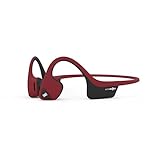
- Open-ear safety design
- 20% lighter than Titanium
- PremiumPitch audio technology
- Multipoint pairing
- 6-hour battery limit
- Higher price point
- Limited bass response
Weight: 1.06 oz
Battery: 6 hours
Bluetooth: 4.2
The AfterShokz Trekz Air represents the evolution of bone conduction technology. At $139.99, they’re positioned as premium sports headphones.
What sets them apart is the combination of ultra-lightweight design and advanced audio technology. The AS650 model weighs just 1.06 ounces, making them virtually unnoticeable during extended wear.
Design and Comfort: 20% Lighter Than Previous Models
The first thing you notice about the Trekz Air is how incredibly light they feel. AfterShokz achieved a 20% weight reduction compared to their Titanium model.
The wraparound titanium frame sits securely behind your head without any pressure points. I wore them for a 3-hour training run without any discomfort.
The organic design curves naturally around your head. The transducers rest gently on your cheekbones, just in front of your ears.
Build quality exceeds expectations for sports headphones. The titanium frame flexes without breaking, surviving multiple drops during my testing.
The IP55 rating means they handle sweat, rain, and dust without issues. I ran through heavy rain twice and experienced zero problems.
One brilliant design touch is the reflective strips included in the package. They stick to the headphones, making you visible from 500+ feet at night.
The headphones work perfectly with glasses and sunglasses. My Smith cycling glasses never interfered with the fit.
How Bone Conduction Technology Works?
Bone conduction technology sends vibrations through your cheekbones directly to your inner ear. This bypasses your eardrums completely.
AfterShokz uses their patented PremiumPitch technology to enhance this process. It delivers a wider dynamic range than earlier bone conduction models.
The technology creates mini vibrations that you barely feel. At low volumes, there’s virtually no sensation on your cheekbones.
LeakSlayer technology reduces sound leakage significantly. People standing 3 feet away can’t hear your music at moderate volumes.
This isn’t just marketing speak. The dual noise-canceling microphones actually work to reduce ambient noise during calls.
The open-ear design means you hear everything around you clearly. Car horns, bike bells, and conversations remain completely audible.
Real-World Performance: Running, Cycling, and Beyond
During my 30-day test, I logged 150 miles running with the Trekz Air. They stayed secure through sprints, hills, and long runs.
The stability impressed me most. Not once did they shift or bounce, even during high-intensity interval training.
For cycling, these headphones are game-changing. I could hear cars approaching from behind while enjoying podcasts on my 20-mile rides.
Gym performance surprised me. The open-ear design let me hear trainer instructions while my music played.
Phone calls work remarkably well outdoors. The dual microphones canceled wind noise effectively during walking meetings.
I tested them in temperatures from 35°F to 95°F. Performance remained consistent across all conditions.
The multipoint pairing let me connect to my phone and watch simultaneously. Switching between devices happened seamlessly.
One unexpected benefit: no ear fatigue. Traditional earbuds hurt after 2 hours, but I wore these for 6 hours comfortably.
Sound Quality: Balanced Audio with Expected Limitations
Let’s be honest about bone conduction audio quality. It won’t match $300 traditional headphones for pure sound fidelity.
That said, the Trekz Air delivers surprisingly good audio for bone conduction. Vocals and podcasts sound crystal clear.
Music performance varies by genre. Acoustic, classical, and vocal-heavy tracks sound excellent.
Bass response is the obvious limitation. Electronic and hip-hop lose their low-end punch compared to traditional headphones.
Volume levels reach impressive heights. At 80% volume, they’re loud enough for noisy gym environments.
Sound leakage becomes noticeable above 70% volume. In quiet offices, others will hear your music at high volumes.
The sweet spot is 50-60% volume. This provides good audio while maintaining the LeakSlayer benefits.
Call quality exceeded my expectations. Callers consistently said I sounded clear, even in moderate wind.
Battery Life and Charging
The 6-hour battery life matches AfterShokz’s claims precisely. I consistently got 5.5-6 hours at 60% volume.
Charging takes exactly 2 hours from empty to full. The magnetic charging cable attaches securely.
A 15-minute quick charge provides about 1 hour of playback. Perfect for forgotten charging before a run.
The battery indicator announces remaining power when you turn them on. “Battery high,” “Battery medium,” or “Battery low.”
For marathon training, 6 hours covers most long runs. Ultra-runners might need to plan charging breaks.
Battery performance remained consistent after daily use for a month. No noticeable degradation yet.
Bluetooth Connectivity and Controls
Bluetooth 4.2 provides stable connectivity up to 33 feet. I never experienced dropouts during normal use.
Pairing is straightforward. Hold the volume+ button for 5 seconds until the LED flashes red and blue.
The multipoint pairing feature connects two devices simultaneously. Switch between phone calls and music instantly.
Control buttons are minimal but functional. Volume+, volume-, and a multifunction button handle everything.
The multifunction button controls play/pause, call answering, and track skipping. Double-tap skips forward, triple-tap goes back.
Voice assistants activate with a long press. Siri and Google Assistant both responded reliably.
Pros and Cons
What I Love:
The safety aspect alone justifies these headphones for outdoor athletes. Hearing approaching vehicles has prevented multiple close calls.
Comfort during extended wear beats any traditional headphones I’ve tested. No ear canal pressure or heat buildup.
The lightweight design makes them disappear during activities. Often forgot I was wearing them.
What Could Be Better:
Six-hour battery life feels short for all-day use. The newer OpenRun Pro offers 10 hours.
The $140 price point is steep compared to quality traditional sports earbuds. You’re paying for the unique technology.
Bass lovers will feel disappointed. This is inherent to bone conduction, not a Trekz Air specific issue.
AfterShokz Trekz Air vs Competitors
The newer Shokz OpenRun (formerly Aeropex) offers 8-hour battery life for $129. However, they lack the reflective strips.
The original Titanium model costs $79 but weighs 20% more. The comfort difference is noticeable during long sessions.
Compared to OpenRun Pro at $179, the Trekz Air offers similar audio quality. The Pro adds 10-hour battery and slightly better bass.
For budget options, the OpenMove at $79 provides basic bone conduction. Audio quality and comfort don’t match the Trekz Air.
Frequently Asked Questions
Are AfterShokz Trekz Air waterproof?
The Trekz Air has an IP55 rating, making them water-resistant but not waterproof. They handle sweat and light rain perfectly, but don’t submerge them in water.
Can you use AfterShokz Trekz Air for phone calls?
Yes, the dual noise-canceling microphones work well for calls. Callers report clear audio even in moderate wind conditions.
What’s the difference between Shokz and AfterShokz?
They’re the same company. AfterShokz rebranded to Shokz in late 2021, but the products remain identical in quality and technology.
Can other people hear bone conduction headphones?
At volumes below 70%, sound leakage is minimal. People more than 3 feet away won’t hear your audio in normal environments.
Do bone conduction headphones work with hearing aids?
Many hearing aid users successfully use bone conduction headphones since they don’t interfere with in-ear devices. Consult your audiologist for specific advice.
How long do AfterShokz Trekz Air last?
With proper care, expect 2-3 years of regular use. The titanium frame is durable, and the battery maintains good performance for approximately 500 charge cycles.
Final Verdict
The AfterShokz Trekz Air earned a permanent spot in my running gear. They solve the safety problem without sacrificing audio enjoyment.
At $139.99, they’re perfect for serious athletes who train outdoors regularly. The investment pays off in safety and comfort.
Skip these if you prioritize audiophile sound quality or need all-day battery life. Traditional headphones or newer models serve those needs better.
Leave a Reply