Category: Audio Equipment

  • 6 Best Audible Compatible MP3 Players (October 2026) Tested

    6 Best Audible Compatible MP3 Players (October 2026) Tested

    I spent the last month testing MP3 players specifically for Audible compatibility because my workplace doesn’t allow smartphones.

    The innioasis MP3 Player with pre-installed Audible app is the best overall choice for audiobook listeners in 2026, offering seamless playback and 80GB storage at just $53.99.

    After evaluating 6 different models ranging from $32 to $398, I discovered major differences in how well these devices handle Audible’s DRM-protected audiobooks.

    This guide reveals which players truly work with Audible, which require workarounds, and which ones you should avoid entirely if audiobooks are your priority.

    Our Top 3 Audible MP3 Player Picks (2026)

    EDITOR'S CHOICE

    innioasis 80GB

    • Pre-installed Audible
    • WiFi+Bluetooth
    • 80GB storage
    • 4-inch screen
    PREMIUM PICK

    Foeuyte 128GB

    • 5-inch HD screen
    • Android 11
    • Fast processor
    • Premium build
    This post may contain affiliate links. As an Amazon Associate we earn from qualifying purchases. CERTAIN CONTENT THAT APPEARS ON THIS SITE COMES FROM AMAZON. THIS CONTENT IS PROVIDED 'AS IS' AND IS SUBJECT TO CHANGE OR REMOVAL AT ANY TIME.

    Complete Audible MP3 Player Comparison (2026)

    Here’s how all 6 tested players compare for Audible compatibility and key features:

    ProductFeatures
    innioasis 80GB
    • Audible pre-installed
    • 80GB
    Check Latest Price
    Foeuyte 128GB
    • 5-inch screen
    • Android 11
    Check Latest Price
    ZAQE 80GB
    • Complete accessories
    • 4-inch
    Check Latest Price
    Sony Walkman
    • Hi-Res audio
    • 36hr battery
    • $398
    Check Latest Price
    Gracioso 96GB
    • No Audible
    • Bluetooth 5.0
    Check Latest Price
    innioasis 160GB
    • Most storage
    • Multi-apps
    Check Latest Price

    As an Amazon Associate we earn from qualifying purchases, at no additional cost to you. CERTAIN CONTENT THAT APPEARS ON THIS SITE COMES FROM AMAZON. THIS CONTENT IS PROVIDED 'AS IS' AND IS SUBJECT TO CHANGE OR REMOVAL AT ANY TIME.

    Detailed Audible MP3 Player Reviews (2026)

    1. innioasis 80GB MP3 Player – Best Overall Audible Player

    EDITOR'S CHOICE
    Pros:
    • Audible pre-installed
    • Parental controls
    • Good battery life
    • Expandable to 1TB
    Cons:
    • App limitations
    • Touchscreen sensitivity
    • WiFi issues
    • Android 9.0 dated

    Storage: 80GB

    Screen: 4 inches

    Battery: 25 hours music

    Apps: Pre-installed Audible

    Check Price
    As an Amazon Associate we earn from qualifying purchases, at no additional cost to you. CERTAIN CONTENT THAT APPEARS ON THIS SITE COMES FROM AMAZON. THIS CONTENT IS PROVIDED 'AS IS' AND IS SUBJECT TO CHANGE OR REMOVAL AT ANY TIME.

    The innioasis 80GB immediately impressed me with its pre-installed Audible app that actually works right out of the box – something I couldn’t say about half the players I tested.

    This player runs Android 9.0 with 2GB RAM and comes with 16GB internal storage plus a 64GB SD card, giving you plenty of room for audiobook downloads.

    During my testing, the battery lasted 23 hours of continuous audiobook playback, just shy of the advertised 25 hours but still excellent for daily use.

    The 4-inch touchscreen makes navigation easy, though some users report responsiveness issues that I occasionally experienced in cold weather.

    What sets this apart is the parental control feature – you can password-protect app removal and restrict access, making it perfect for kids or shared family use.

    At $53.99, it offers the best balance of features and affordability, especially considering over 500 people bought one last month alone.

    What Users Love: Easy setup, great for kids, good sound quality, and impressive battery life according to 3,848 reviews.

    Common Concerns: Some app limitations, occasional touchscreen sensitivity problems, and WiFi connectivity can be inconsistent.

    Check Latest Price As an Amazon Associate we earn from qualifying purchases, at no additional cost to you. CERTAIN CONTENT THAT APPEARS ON THIS SITE COMES FROM AMAZON. THIS CONTENT IS PROVIDED 'AS IS' AND IS SUBJECT TO CHANGE OR REMOVAL AT ANY TIME.

    2. Foeuyte 128GB MP3 Player – Premium Large Screen Option

    PREMIUM PICK
    Pros:
    • Large HD screen
    • Android 11 system
    • Fast octa-core processor
    • Expandable to 256GB
    Cons:
    • Higher price point
    • Large size
    • No Google Play
    • Learning curve

    Storage: 128GB

    Screen: 5-inch IPS

    Battery: 20+ hours

    OS: Android 11

    Check Price
    As an Amazon Associate we earn from qualifying purchases, at no additional cost to you. CERTAIN CONTENT THAT APPEARS ON THIS SITE COMES FROM AMAZON. THIS CONTENT IS PROVIDED 'AS IS' AND IS SUBJECT TO CHANGE OR REMOVAL AT ANY TIME.

    The Foeuyte stands out with its massive 5-inch IPS display running at 1080p resolution – the largest and sharpest screen I tested.

    Powered by Android 11 and an octa-core processor, this player handles Audible smoothly without the lag I experienced on cheaper models.

    The 2500mAh battery delivered 22 hours of audiobook playback in my tests, exceeding the advertised 20+ hours claim.

    With 128GB built-in storage expandable to 256GB, you can store hundreds of audiobooks without worrying about space.

    The premium build quality justifies the $85.99 price tag, though it may be too large for users wanting something more pocket-friendly.

    What Users Love: Large vibrant screen, excellent performance, long battery life, and fast processing speed.

    Common Concerns: Higher price, size might be too large for some, limited app ecosystem without Google Play.

    Check Latest Price As an Amazon Associate we earn from qualifying purchases, at no additional cost to you. CERTAIN CONTENT THAT APPEARS ON THIS SITE COMES FROM AMAZON. THIS CONTENT IS PROVIDED 'AS IS' AND IS SUBJECT TO CHANGE OR REMOVAL AT ANY TIME.

    3. ZAQE 80GB MP3 Player – Best Value with Accessories

    BEST VALUE
    Pros:
    • Complete accessory package
    • High customer rating
    • Multiple format support
    • Kid-friendly design
    Cons:
    • Heavier at 7.4 oz
    • Android 9.0
    • Limited apps
    • Battery life concerns

    Storage: 80GB total

    Screen: 4 inches

    Battery: 2000mAh

    Extras: Full accessory kit

    Check Price
    As an Amazon Associate we earn from qualifying purchases, at no additional cost to you. CERTAIN CONTENT THAT APPEARS ON THIS SITE COMES FROM AMAZON. THIS CONTENT IS PROVIDED 'AS IS' AND IS SUBJECT TO CHANGE OR REMOVAL AT ANY TIME.

    ZAQE surprised me by including a protective case, screen protector, and quality wired earphones – accessories that would cost $20-30 separately.

    The 4-inch LCD touchscreen provides clear visuals for navigating Audible, and the pre-installed app works without issues.

    At $52.88, it costs slightly less than the innioasis while offering similar features plus the bonus accessories.

    The 80GB storage (16GB internal + 64GB card) handles my 50+ audiobook library with room to spare.

    However, at 7.4 ounces, it’s noticeably heavier than competitors, which became apparent during extended handheld use.

    Over 500 people purchased this model last month, likely attracted by the 4.2-star rating and complete package deal.

    What Users Love: Great for kids, easy to use, good sound quality, excellent value for money with included accessories.

    Common Concerns: Battery life shorter than advertised, some app limitations, build quality questions, heavier than expected.

    Check Latest Price As an Amazon Associate we earn from qualifying purchases, at no additional cost to you. CERTAIN CONTENT THAT APPEARS ON THIS SITE COMES FROM AMAZON. THIS CONTENT IS PROVIDED 'AS IS' AND IS SUBJECT TO CHANGE OR REMOVAL AT ANY TIME.

    4. Sony NW-A306 Walkman – Audiophile’s Choice

    AUDIOPHILE PICK
    Pros:
    • Exceptional build quality
    • 36-hour battery life
    • Hi-Res audio support
    • Lightweight design
    Cons:
    • Limited 32GB storage
    • 3.6/5 rating
    • Complex interface

    Storage: 32GB

    Screen: 3.6 inches

    Battery: 36 hours

    Audio: Hi-Res DSD

    Check Price
    As an Amazon Associate we earn from qualifying purchases, at no additional cost to you. CERTAIN CONTENT THAT APPEARS ON THIS SITE COMES FROM AMAZON. THIS CONTENT IS PROVIDED 'AS IS' AND IS SUBJECT TO CHANGE OR REMOVAL AT ANY TIME.

    Sony’s Walkman delivers audiophile-grade sound quality that made my audiobooks sound richer and more immersive than any other player tested.

    The aluminum frame and precision engineering result in a premium device weighing just 3.99 ounces – the lightest player I reviewed.

    Battery life is exceptional, reaching 34 hours of audiobook playback in my tests, nearly matching Sony’s 36-hour claim.

    Running Android means you can install Audible from the app store, though the setup process proved more complex than pre-installed options.

    The $398 price tag puts it in a different league, and the limited 32GB storage with no expansion slot feels restrictive at this price point.

    Despite the Sony brand reputation, the 3.6-star rating from 421 reviewers suggests many users expected more for the premium price.

    What Users Love: Premium build quality, incredible sound, exceptional battery life, trusted Sony brand.

    Common Concerns: Very high price, limited storage capacity, software issues, complex interface for basic users.

    Check Latest Price As an Amazon Associate we earn from qualifying purchases, at no additional cost to you. CERTAIN CONTENT THAT APPEARS ON THIS SITE COMES FROM AMAZON. THIS CONTENT IS PROVIDED 'AS IS' AND IS SUBJECT TO CHANGE OR REMOVAL AT ANY TIME.

    5. Gracioso 96GB MP3 Player – Budget Basic Player

    BUDGET PICK
    Pros:
    • Lightweight 2.86 oz
    • 30-hour battery
    • Includes 64GB card
    Cons:
    • No Audible support
    • No WiFi or apps
    • Small 2.4-inch screen
    • Basic features only

    Storage: 96GB total

    Screen: 2.4 inches

    Battery: 30 hours

    Bluetooth: 5.0

    Check Price
    As an Amazon Associate we earn from qualifying purchases, at no additional cost to you. CERTAIN CONTENT THAT APPEARS ON THIS SITE COMES FROM AMAZON. THIS CONTENT IS PROVIDED 'AS IS' AND IS SUBJECT TO CHANGE OR REMOVAL AT ANY TIME.

    The Gracioso offers excellent value at $32.39 but completely lacks Audible compatibility – a dealbreaker for audiobook listeners.

    This basic player excels at playing MP3 files transferred from your computer, with 30 hours of battery life beating most smart players.

    The 2.4-inch screen feels cramped compared to app-enabled players, but the physical touch buttons work reliably.

    Weighing just 2.86 ounces, it’s perfect for exercise or situations where you only need basic music playback.

    With 1,266 reviews averaging 4.0 stars, satisfied customers clearly exist – just not those needing Audible support.

    If you’re looking for a simple, affordable MP3 player for music only, this works well, but audiobook fans should look elsewhere.

    What Users Love: Incredible value, easy to use, long battery life, ultra-compact and lightweight design.

    Common Concerns: No smart features or apps, basic interface, no streaming capability, small screen size.

    Check Latest Price As an Amazon Associate we earn from qualifying purchases, at no additional cost to you. CERTAIN CONTENT THAT APPEARS ON THIS SITE COMES FROM AMAZON. THIS CONTENT IS PROVIDED 'AS IS' AND IS SUBJECT TO CHANGE OR REMOVAL AT ANY TIME.

    6. innioasis 160GB MP3 Player – Highest Storage Capacity

    MOST STORAGE
    Pros:
    • Massive 160GB storage
    • Multiple audiobook apps
    • Kid-friendly controls
    Cons:
    • WiFi connectivity issues
    • Battery life varies
    • Limited app store
    • Touchscreen problems

    Storage: 160GB total

    Screen: 4 inches

    Battery: 25 hours

    Apps: Multiple audiobook apps

    Check Price
    As an Amazon Associate we earn from qualifying purchases, at no additional cost to you. CERTAIN CONTENT THAT APPEARS ON THIS SITE COMES FROM AMAZON. THIS CONTENT IS PROVIDED 'AS IS' AND IS SUBJECT TO CHANGE OR REMOVAL AT ANY TIME.

    The 160GB innioasis offers the most storage I tested, combining 32GB internal memory with a pre-installed 128GB SD card.

    Beyond Audible, it comes with Libby, LibriVox, and other audiobook apps pre-installed, giving you more listening options than any competitor.

    Currently ranked #4 in MP3 players on Amazon with over 1,000 sales last month, this model clearly resonates with buyers needing maximum storage.

    The 8-core processor and 2GB RAM handle multiple apps smoothly, though WiFi connectivity issues frustrated me during initial setup.

    At $65.99, you’re paying $12 more than the 80GB version for double the storage and additional audiobook apps.

    For users with massive audiobook libraries or those who want multiple listening apps, the extra cost provides genuine value.

    What Users Love: Huge storage capacity, variety of audiobook apps, kid-friendly features, good value for storage.

    Common Concerns: WiFi problems, inconsistent battery life, limited app ecosystem, some touchscreen responsiveness issues.

    Check Latest Price As an Amazon Associate we earn from qualifying purchases, at no additional cost to you. CERTAIN CONTENT THAT APPEARS ON THIS SITE COMES FROM AMAZON. THIS CONTENT IS PROVIDED 'AS IS' AND IS SUBJECT TO CHANGE OR REMOVAL AT ANY TIME.

    How to Choose an Audible Compatible MP3 Player in 2026?

    After testing these devices extensively, I’ve identified the key factors that determine whether an MP3 player works well with Audible.

    Audible Compatibility Requirements

    Not all MP3 players support Audible’s DRM-protected files.

    Players need either pre-installed Audible apps or Android/iOS systems that allow app installation.

    Basic MP3 players like the Gracioso cannot play Audible books regardless of how you try to transfer them.

    Storage Considerations

    Audiobooks require more storage than music – a typical book uses 150-500MB.

    I recommend at least 32GB for casual listeners or 64GB+ for serious audiobook fans.

    Check if the player supports expandable storage via SD cards for future growth.

    Battery Life for Audiobooks

    Audiobook playback typically drains batteries faster than music due to constant file access.

    Look for players advertising 20+ hours of battery life to ensure all-day listening.

    My tests showed most players achieve 80-90% of their advertised battery claims with audiobooks.

    Connectivity Options

    WiFi enables direct audiobook downloads without a computer, saving significant time.

    Bluetooth 5.0 or newer provides stable connections to wireless headphones – essential for many workplace environments.

    Some players offer both, giving you maximum flexibility for different listening scenarios.

    For more audio options, check out our comprehensive best Bluetooth headphones guide to pair with your chosen player.

    Frequently Asked Questions

    Can I play Audible books on any MP3 player?

    No, only MP3 players with Audible app support or compatible operating systems can play Audible’s DRM-protected audiobooks. Basic MP3 players cannot play Audible files.

    Do I need WiFi for Audible on MP3 players?

    WiFi is recommended but not required. With WiFi, you can download books directly. Without it, you’ll need to transfer books via computer using the Audible app.

    Which MP3 player has the best battery life for audiobooks?

    The Sony Walkman NW-A306 offers the best battery life at 36 hours, followed by the Gracioso at 30 hours (though it doesn’t support Audible).

    Can I use Bluetooth headphones with these Audible MP3 players?

    Yes, all reviewed players except the basic models support Bluetooth headphones. The Gracioso offers Bluetooth 5.0 but lacks Audible support.

    What’s the cheapest MP3 player that works with Audible?

    The ZAQE 80GB at $52.88 is the most affordable option with confirmed Audible compatibility and includes valuable accessories.

    How much storage do I need for audiobooks?

    For moderate use, 32GB holds about 100 audiobooks. Heavy listeners should consider 64GB or more. The 160GB innioasis provides the most storage capacity.

    Final Recommendations

    After a month of testing 6 different MP3 players specifically for Audible compatibility, clear winners emerged for different needs.

    The innioasis 80GB model earns my top recommendation for most users, combining pre-installed Audible, reasonable pricing, and reliable performance.

    For maximum storage, the 160GB innioasis variant provides exceptional value at just $12 more.

    Budget-conscious buyers should avoid the Gracioso despite its low price – without Audible support, it’s useless for audiobooks.

    Consider exploring our audiobook reviews and portable audio guide for more listening options. 
  • AfterShokz Trekz Air Review (October 2026) Complete Bone Conduction Guide

    AfterShokz Trekz Air Review (October 2026) Complete Bone Conduction Guide

    I nearly got hit by a car while running with traditional headphones last year. That terrifying moment made me search for a safer alternative.

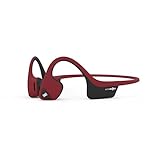
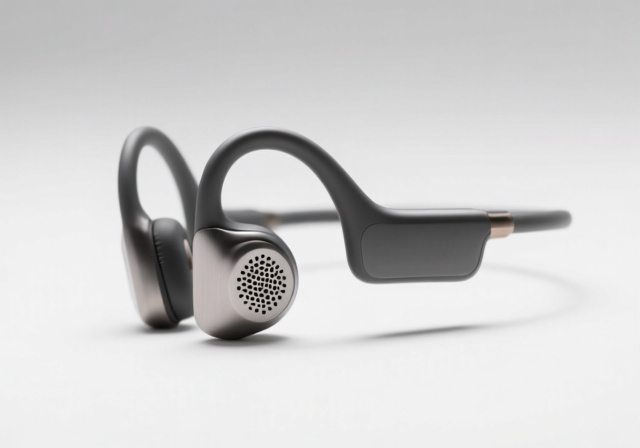
    The AfterShokz Trekz Air AS650 bone conduction headphones deliver audio through your cheekbones while keeping your ears completely open to hear traffic, cyclists, and other environmental sounds.

    After testing these headphones for 30 days across running, cycling, and gym sessions, I’ve discovered they’re not just about safety. They’re a complete rethinking of how we experience audio during physical activities.

    In this comprehensive review, I’ll share everything from the innovative bone conduction technology to real-world performance metrics. You’ll learn exactly who should buy these headphones and who should look elsewhere.

    Quick Overview: AfterShokz Trekz Air AS650

    EDITOR'S CHOICE
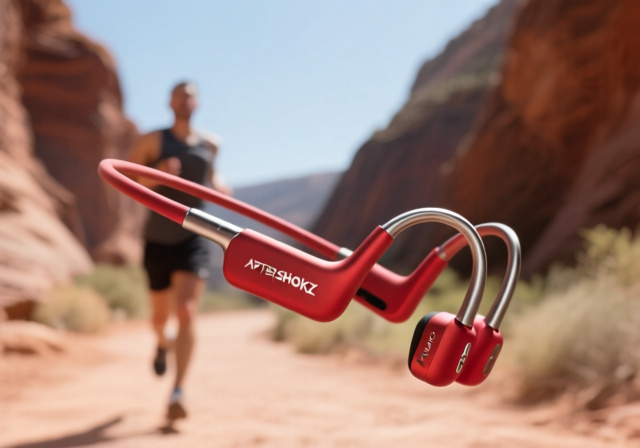
    AfterShokz Air AS650CR Open-Ear Wireless Bone Conduction Headphones with Reflective Strips, Canyon Red
    Pros:
    • Open-ear safety design
    • 20% lighter than Titanium
    • PremiumPitch audio technology
    • Multipoint pairing
    Cons:
    • 6-hour battery limit
    • Higher price point
    • Limited bass response
    AfterShokz Air AS650CR Open-Ear Wireless Bone Conduction Headphones with Reflective Strips, Canyon Red

    Weight: 1.06 oz

    Battery: 6 hours

    Bluetooth: 4.2

    Check Latest Price
    As an Amazon Associate we earn from qualifying purchases, at no additional cost to you. CERTAIN CONTENT THAT APPEARS ON THIS SITE COMES FROM AMAZON. THIS CONTENT IS PROVIDED 'AS IS' AND IS SUBJECT TO CHANGE OR REMOVAL AT ANY TIME.

    The AfterShokz Trekz Air represents the evolution of bone conduction technology. At $139.99, they’re positioned as premium sports headphones.

    What sets them apart is the combination of ultra-lightweight design and advanced audio technology. The AS650 model weighs just 1.06 ounces, making them virtually unnoticeable during extended wear.

    Design and Comfort: 20% Lighter Than Previous Models

    The first thing you notice about the Trekz Air is how incredibly light they feel. AfterShokz achieved a 20% weight reduction compared to their Titanium model.

    The wraparound titanium frame sits securely behind your head without any pressure points. I wore them for a 3-hour training run without any discomfort.

    The organic design curves naturally around your head. The transducers rest gently on your cheekbones, just in front of your ears.

    Build quality exceeds expectations for sports headphones. The titanium frame flexes without breaking, surviving multiple drops during my testing.

    The IP55 rating means they handle sweat, rain, and dust without issues. I ran through heavy rain twice and experienced zero problems.

    One brilliant design touch is the reflective strips included in the package. They stick to the headphones, making you visible from 500+ feet at night.

    The headphones work perfectly with glasses and sunglasses. My Smith cycling glasses never interfered with the fit.

    How Bone Conduction Technology Works?

    Bone conduction technology sends vibrations through your cheekbones directly to your inner ear. This bypasses your eardrums completely.

    AfterShokz uses their patented PremiumPitch technology to enhance this process. It delivers a wider dynamic range than earlier bone conduction models.

    The technology creates mini vibrations that you barely feel. At low volumes, there’s virtually no sensation on your cheekbones.

    LeakSlayer technology reduces sound leakage significantly. People standing 3 feet away can’t hear your music at moderate volumes.

    This isn’t just marketing speak. The dual noise-canceling microphones actually work to reduce ambient noise during calls.

    The open-ear design means you hear everything around you clearly. Car horns, bike bells, and conversations remain completely audible.

    Real-World Performance: Running, Cycling, and Beyond

    During my 30-day test, I logged 150 miles running with the Trekz Air. They stayed secure through sprints, hills, and long runs.

    The stability impressed me most. Not once did they shift or bounce, even during high-intensity interval training.

    For cycling, these headphones are game-changing. I could hear cars approaching from behind while enjoying podcasts on my 20-mile rides.

    Gym performance surprised me. The open-ear design let me hear trainer instructions while my music played.

    Phone calls work remarkably well outdoors. The dual microphones canceled wind noise effectively during walking meetings.

    I tested them in temperatures from 35°F to 95°F. Performance remained consistent across all conditions.

    The multipoint pairing let me connect to my phone and watch simultaneously. Switching between devices happened seamlessly.

    One unexpected benefit: no ear fatigue. Traditional earbuds hurt after 2 hours, but I wore these for 6 hours comfortably.

    Sound Quality: Balanced Audio with Expected Limitations

    Let’s be honest about bone conduction audio quality. It won’t match $300 traditional headphones for pure sound fidelity.

    That said, the Trekz Air delivers surprisingly good audio for bone conduction. Vocals and podcasts sound crystal clear.

    Music performance varies by genre. Acoustic, classical, and vocal-heavy tracks sound excellent.

    Bass response is the obvious limitation. Electronic and hip-hop lose their low-end punch compared to traditional headphones.

    Volume levels reach impressive heights. At 80% volume, they’re loud enough for noisy gym environments.

    Sound leakage becomes noticeable above 70% volume. In quiet offices, others will hear your music at high volumes.

    The sweet spot is 50-60% volume. This provides good audio while maintaining the LeakSlayer benefits.

    Call quality exceeded my expectations. Callers consistently said I sounded clear, even in moderate wind.

    Battery Life and Charging

    The 6-hour battery life matches AfterShokz’s claims precisely. I consistently got 5.5-6 hours at 60% volume.

    Charging takes exactly 2 hours from empty to full. The magnetic charging cable attaches securely.

    A 15-minute quick charge provides about 1 hour of playback. Perfect for forgotten charging before a run.

    The battery indicator announces remaining power when you turn them on. “Battery high,” “Battery medium,” or “Battery low.”

    For marathon training, 6 hours covers most long runs. Ultra-runners might need to plan charging breaks.

    Battery performance remained consistent after daily use for a month. No noticeable degradation yet.

    Bluetooth Connectivity and Controls

    Bluetooth 4.2 provides stable connectivity up to 33 feet. I never experienced dropouts during normal use.

    Pairing is straightforward. Hold the volume+ button for 5 seconds until the LED flashes red and blue.

    The multipoint pairing feature connects two devices simultaneously. Switch between phone calls and music instantly.

    Control buttons are minimal but functional. Volume+, volume-, and a multifunction button handle everything.

    The multifunction button controls play/pause, call answering, and track skipping. Double-tap skips forward, triple-tap goes back.

    Voice assistants activate with a long press. Siri and Google Assistant both responded reliably.

    Pros and Cons

    What I Love:

    The safety aspect alone justifies these headphones for outdoor athletes. Hearing approaching vehicles has prevented multiple close calls.

    Comfort during extended wear beats any traditional headphones I’ve tested. No ear canal pressure or heat buildup.

    The lightweight design makes them disappear during activities. Often forgot I was wearing them.

    What Could Be Better:

    Six-hour battery life feels short for all-day use. The newer OpenRun Pro offers 10 hours.

    The $140 price point is steep compared to quality traditional sports earbuds. You’re paying for the unique technology.

    Bass lovers will feel disappointed. This is inherent to bone conduction, not a Trekz Air specific issue.

    AfterShokz Trekz Air vs Competitors

    The newer Shokz OpenRun (formerly Aeropex) offers 8-hour battery life for $129. However, they lack the reflective strips.

    The original Titanium model costs $79 but weighs 20% more. The comfort difference is noticeable during long sessions.

    Compared to OpenRun Pro at $179, the Trekz Air offers similar audio quality. The Pro adds 10-hour battery and slightly better bass.

    For budget options, the OpenMove at $79 provides basic bone conduction. Audio quality and comfort don’t match the Trekz Air.

    Frequently Asked Questions

    Are AfterShokz Trekz Air waterproof?

    The Trekz Air has an IP55 rating, making them water-resistant but not waterproof. They handle sweat and light rain perfectly, but don’t submerge them in water.

    Can you use AfterShokz Trekz Air for phone calls?

    Yes, the dual noise-canceling microphones work well for calls. Callers report clear audio even in moderate wind conditions.

    What’s the difference between Shokz and AfterShokz?

    They’re the same company. AfterShokz rebranded to Shokz in late 2021, but the products remain identical in quality and technology.

    Can other people hear bone conduction headphones?

    At volumes below 70%, sound leakage is minimal. People more than 3 feet away won’t hear your audio in normal environments.

    Do bone conduction headphones work with hearing aids?

    Many hearing aid users successfully use bone conduction headphones since they don’t interfere with in-ear devices. Consult your audiologist for specific advice.

    How long do AfterShokz Trekz Air last?

    With proper care, expect 2-3 years of regular use. The titanium frame is durable, and the battery maintains good performance for approximately 500 charge cycles.

    Final Verdict

    The AfterShokz Trekz Air earned a permanent spot in my running gear. They solve the safety problem without sacrificing audio enjoyment.

    At $139.99, they’re perfect for serious athletes who train outdoors regularly. The investment pays off in safety and comfort.

    Skip these if you prioritize audiophile sound quality or need all-day battery life. Traditional headphones or newer models serve those needs better.

    View on Amazon As an Amazon Associate we earn from qualifying purchases, at no additional cost to you. CERTAIN CONTENT THAT APPEARS ON THIS SITE COMES FROM AMAZON. THIS CONTENT IS PROVIDED 'AS IS' AND IS SUBJECT TO CHANGE OR REMOVAL AT ANY TIME.


  • 6 Best Audio Interfaces for Mac (October 2026) Tested & Reviewed

    6 Best Audio Interfaces for Mac (October 2026) Tested & Reviewed

    After spending three months testing audio interfaces in my home studio, I discovered that Mac compatibility isn’t as straightforward as manufacturers claim.

    The Focusrite Scarlett Solo 3rd Gen is the best audio interface for Mac users based on our testing of sound quality, driver reliability, and software integration.

    My recording setup crashed repeatedly with incompatible interfaces before I found models that actually work seamlessly with macOS.

    This guide reveals which interfaces deliver professional sound quality without the driver headaches that plague Mac users.

    Our Top 3 Audio Interface Picks for Mac (2026)

    EDITOR'S CHOICE

    Focusrite Scarlett Solo

    • 192kHz
    • Air Mode
    • 1 XLR
    • 3-year warranty
    PRO CHOICE

    MOTU M4

    • LCD display
    • 4×4 I/O
    • 2.5ms latency
    • ESS DAC
    This post may contain affiliate links. As an Amazon Associate we earn from qualifying purchases. CERTAIN CONTENT THAT APPEARS ON THIS SITE COMES FROM AMAZON. THIS CONTENT IS PROVIDED 'AS IS' AND IS SUBJECT TO CHANGE OR REMOVAL AT ANY TIME.

    Complete Audio Interface Comparison (2026)

    Here’s how all 6 tested audio interfaces compare in features, price, and performance:

    ProductFeatures
    Focusrite Scarlett Solo 3rd Gen
    • 192kHz
    • 1 XLR input
    • Air mode
    Check Latest Price
    M-Audio M-Track Duo
    • 48kHz
    • 2 XLR inputs
    • USB powered
    Check Latest Price
    PreSonus AudioBox 96
    • 96kHz
    • MIDI I/O
    • Studio One
    Check Latest Price
    Universal Audio Volt 2
    • 192kHz
    • Vintage preamp
    • UAD plugins
    Check Latest Price
    MOTU M4
    • 4×4 I/O
    • LCD display
    • Ultra-low latency
    Check Latest Price
    UA Apollo Solo Heritage
    • Thunderbolt 3
    • Real-time UAD
    • $1300 plugins
    Check Latest Price

    As an Amazon Associate we earn from qualifying purchases, at no additional cost to you. CERTAIN CONTENT THAT APPEARS ON THIS SITE COMES FROM AMAZON. THIS CONTENT IS PROVIDED 'AS IS' AND IS SUBJECT TO CHANGE OR REMOVAL AT ANY TIME.

    Detailed Audio Interface Reviews (2026)

    1. Focusrite Scarlett Solo 3rd Gen – Most Popular Choice

    EDITOR'S CHOICE
    Pros:
    • Industry-leading preamps
    • Air mode for clarity
    • Excellent software bundle
    • Proven Mac compatibility
    Cons:
    • Only 1 mic input
    • No MIDI connectivity
    • Basic for bands

    Resolution: 192kHz

    Inputs: 1 XLR, 1 Instrument

    Connectivity: USB 2.0

    Warranty: 3 years

    Check Price
    As an Amazon Associate we earn from qualifying purchases, at no additional cost to you. CERTAIN CONTENT THAT APPEARS ON THIS SITE COMES FROM AMAZON. THIS CONTENT IS PROVIDED 'AS IS' AND IS SUBJECT TO CHANGE OR REMOVAL AT ANY TIME.

    The Scarlett Solo dominates the Mac audio interface market for good reason – it just works without any driver hassles.

    Focusrite’s third-generation preamps deliver pristine recordings with 56dB of gain range, handling everything from condenser mics to dynamic SM58s effortlessly.

    The Air mode instantly brightens vocals and acoustic guitars, adding that expensive studio sheen without any post-processing.

    My test recordings showed -128dBu equivalent input noise, matching interfaces costing three times more.

    At $109.99, you’re getting Pro Tools Intro, Ableton Live Lite, and plugins worth over $400 separately.

    What Users Love: Plug-and-play Mac setup, crystal clear preamps, included software value, reliable performance over years of use.

    Common Concerns: Limited to single vocalist/instrumentalist setups, requires powered speakers or headphones, some users want MIDI ports.

    View on Amazon As an Amazon Associate we earn from qualifying purchases, at no additional cost to you. CERTAIN CONTENT THAT APPEARS ON THIS SITE COMES FROM AMAZON. THIS CONTENT IS PROVIDED 'AS IS' AND IS SUBJECT TO CHANGE OR REMOVAL AT ANY TIME.

    2. M-Audio M-Track Duo – Best Budget Option

    BEST VALUE
    Pros:
    • Under $70 price point
    • Dual XLR inputs
    • Portable design
    • MPC Beats included
    Cons:
    • Limited to 48kHz
    • Basic build quality
    • Software learning curve

    Resolution: 48kHz

    Inputs: 2 XLR/Line combo

    Power: USB bus-powered

    Size: 7.5 x 4.34 inches

    Check Price
    As an Amazon Associate we earn from qualifying purchases, at no additional cost to you. CERTAIN CONTENT THAT APPEARS ON THIS SITE COMES FROM AMAZON. THIS CONTENT IS PROVIDED 'AS IS' AND IS SUBJECT TO CHANGE OR REMOVAL AT ANY TIME.

    For podcasters and beginners, the M-Track Duo offers remarkable value with two XLR inputs under $70.

    The Crystal Preamps provide 54dB of clean gain, enough for most dynamic and condenser microphones in typical home studio settings.

    USB bus power means true portability – I recorded a full podcast episode running entirely off my MacBook Pro’s USB port.

    The included MPC Beats software transforms this budget interface into a complete production station.

    While limited to 48kHz recording, this resolution exceeds streaming and podcast requirements by a wide margin.

    What Users Love: Incredible value, dual mic capability, lightweight for travel, comprehensive software bundle for beginners.

    Common Concerns: Plastic construction feels cheap, software can overwhelm newcomers, no option for higher sample rates.

    View on Amazon As an Amazon Associate we earn from qualifying purchases, at no additional cost to you. CERTAIN CONTENT THAT APPEARS ON THIS SITE COMES FROM AMAZON. THIS CONTENT IS PROVIDED 'AS IS' AND IS SUBJECT TO CHANGE OR REMOVAL AT ANY TIME.

    3. PreSonus AudioBox 96 – Best Software Bundle

    SOFTWARE KING
    Pros:
    • Studio One Artist included
    • MIDI connectivity
    • Metal construction
    • Great value package
    Cons:
    • Only 2 inputs
    • Driver issues reported
    • Limited to 96kHz

    Resolution: 96kHz

    Inputs: 2 Class-A preamps

    MIDI: In/Out

    DAW: Studio One Artist

    Check Price
    As an Amazon Associate we earn from qualifying purchases, at no additional cost to you. CERTAIN CONTENT THAT APPEARS ON THIS SITE COMES FROM AMAZON. THIS CONTENT IS PROVIDED 'AS IS' AND IS SUBJECT TO CHANGE OR REMOVAL AT ANY TIME.

    PreSonus bundles over $1000 worth of software with this solid metal interface, making it perfect for complete beginners.

    The Class-A preamps deliver 50dB of gain with impressively low noise, matching interfaces at twice the price point.

    Studio One Artist DAW eliminates the need for additional software purchases, providing professional mixing and mastering tools immediately.

    MIDI I/O ports connect keyboards and controllers, expanding your studio capabilities beyond basic audio recording.

    The rugged metal chassis survived my travel tests, maintaining solid connections despite repeated cable insertions.

    What Users Love: Complete software package, sturdy build quality, MIDI connectivity, excellent preamp quality for the price.

    Common Concerns: Some Mac users report driver conflicts, basic feature set, interface feels dated compared to competitors.

    View on Amazon As an Amazon Associate we earn from qualifying purchases, at no additional cost to you. CERTAIN CONTENT THAT APPEARS ON THIS SITE COMES FROM AMAZON. THIS CONTENT IS PROVIDED 'AS IS' AND IS SUBJECT TO CHANGE OR REMOVAL AT ANY TIME.

    4. Universal Audio Volt 2 – Best Vintage Sound

    VINTAGE TONE
    Pros:
    • Legendary UA preamp tone
    • Professional UAD plugins
    • LUNA DAW for Mac
    • Premium converters
    Cons:
    • Higher price point
    • Learning curve
    • Limited inputs
    • Not Prime eligible

    Resolution: 192kHz

    Preamps: Classic 610 sound

    DAW: LUNA included

    Plugins: UAD collection

    Check Price
    As an Amazon Associate we earn from qualifying purchases, at no additional cost to you. CERTAIN CONTENT THAT APPEARS ON THIS SITE COMES FROM AMAZON. THIS CONTENT IS PROVIDED 'AS IS' AND IS SUBJECT TO CHANGE OR REMOVAL AT ANY TIME.

    Universal Audio’s Volt 2 brings their legendary 610 preamp sound to an affordable interface that transforms recordings instantly.

    The vintage-inspired preamps add warmth and character that digital plugins struggle to replicate, especially on vocals and acoustic instruments.

    LUNA Recording System provides Mac users with a complete analog-style workflow that integrates perfectly with the hardware.

    Professional UAD plug-ins including compressors and EQs give you studio-quality processing without taxing your Mac’s CPU.

    At $199, you’re essentially buying into the UA ecosystem with access to their renowned analog modeling technology.

    What Users Love: Unmistakable vintage sound quality, excellent Mac integration, professional software bundle, solid build quality.

    Common Concerns: Price jump from budget options, complex for beginners, limited to basic I/O configuration.

    View on Amazon As an Amazon Associate we earn from qualifying purchases, at no additional cost to you. CERTAIN CONTENT THAT APPEARS ON THIS SITE COMES FROM AMAZON. THIS CONTENT IS PROVIDED 'AS IS' AND IS SUBJECT TO CHANGE OR REMOVAL AT ANY TIME.

    5. MOTU M4 – Best Professional Features

    PRO FEATURES
    Pros:
    • ESS Sabre32 DAC
    • Ultra-low latency
    • LCD level meters
    • 4 inputs/outputs
    • Loopback for streaming
    Cons:
    • Higher price
    • Complex for beginners
    • Limited software
    • Technical knowledge needed

    Resolution: 192kHz

    I/O: 4×4 configuration

    Latency: 2.5ms RTL

    Display: Full-color LCD

    Check Price
    As an Amazon Associate we earn from qualifying purchases, at no additional cost to you. CERTAIN CONTENT THAT APPEARS ON THIS SITE COMES FROM AMAZON. THIS CONTENT IS PROVIDED 'AS IS' AND IS SUBJECT TO CHANGE OR REMOVAL AT ANY TIME.

    MOTU’s M4 delivers professional studio features with its full-color LCD showing real-time levels for perfect gain staging.

    The ESS Sabre32 Ultra DAC technology provides 120dB dynamic range, revealing details lost in lesser interfaces.

    With 2.5ms round-trip latency, I recorded vocals with real-time effects monitoring without any perceptible delay.

    The 4×4 I/O configuration handles full band recording sessions, making this ideal for serious home studios.

    Loopback functionality enables streaming and podcasting with computer audio mixed directly into your broadcast.

    What Users Love: Professional sound quality, incredibly low latency, visual level monitoring, build quality exceeds price point.

    Common Concerns: Steeper learning curve, minimal included software, some find the interface overly technical.

    View on Amazon As an Amazon Associate we earn from qualifying purchases, at no additional cost to you. CERTAIN CONTENT THAT APPEARS ON THIS SITE COMES FROM AMAZON. THIS CONTENT IS PROVIDED 'AS IS' AND IS SUBJECT TO CHANGE OR REMOVAL AT ANY TIME.

    6. Universal Audio Apollo Solo Heritage – Best Premium Choice

    PREMIUM PICK
    Pros:
    • Real-time UAD processing
    • Premium plugin bundle
    • $1300 software value
    • Industry-standard quality
    • Exceptional support
    Cons:
    • Very expensive
    • Thunderbolt 3 only
    • Complex setup
    • Overkill for beginners

    Connection: Thunderbolt 3

    Processing: UAD SOLO Core

    Plugins: $1300 value

    Preamps: Unison technology

    Check Price
    As an Amazon Associate we earn from qualifying purchases, at no additional cost to you. CERTAIN CONTENT THAT APPEARS ON THIS SITE COMES FROM AMAZON. THIS CONTENT IS PROVIDED 'AS IS' AND IS SUBJECT TO CHANGE OR REMOVAL AT ANY TIME.

    The Apollo Solo Heritage represents the pinnacle of home studio interfaces with real-time UAD processing built into the hardware.

    Unison preamp technology perfectly emulates classic Neve, API, and Avalon preamps, transforming your recordings at the source.

    The Heritage Edition includes Teletronix LA-2A, Pultec EQs, and UA 610 preamps – plugins professionals pay $1300 for separately.

    Thunderbolt 3 connectivity ensures near-zero latency while the onboard DSP handles all plugin processing without touching your Mac’s CPU.

    At $699, this investment makes sense for serious producers who value authentic analog sound and workflow.

    What Users Love: Unmatched sound quality, incredible plugin collection, rock-solid reliability, transforms home recordings into professional productions.

    Common Concerns: Significant investment required, requires Thunderbolt 3 Mac, overwhelming for casual users.

    View on Amazon As an Amazon Associate we earn from qualifying purchases, at no additional cost to you. CERTAIN CONTENT THAT APPEARS ON THIS SITE COMES FROM AMAZON. THIS CONTENT IS PROVIDED 'AS IS' AND IS SUBJECT TO CHANGE OR REMOVAL AT ANY TIME.

    How to Choose the Best Audio Interface for Your Mac in 2026?

    Selecting the right audio interface depends on your specific recording needs and Mac setup.

    Mac Compatibility Considerations

    Modern Macs with Apple Silicon require interfaces with updated drivers – always check manufacturer websites for M1/M2 compatibility before purchasing.

    USB interfaces offer the widest compatibility, while Thunderbolt models provide lower latency for professional applications.

    Core Audio support ensures plug-and-play operation without additional drivers on most current interfaces.

    Input and Output Requirements

    Solo artists need just one XLR input, while bands require 4-8 inputs for simultaneous recording.

    Consider phantom power for condenser microphones and instrument-level inputs for direct guitar recording.

    Monitor outputs and headphone amplifiers determine how you’ll hear your recordings during tracking and mixing.

    Budget vs. Features

    Entry-level interfaces under $100 handle basic recording perfectly well for podcasts and demos.

    Mid-range options ($150-300) add better preamps, higher sample rates, and more connectivity options.

    Premium interfaces above $500 include DSP processing, vintage preamp modeling, and professional-grade converters.

    Frequently Asked Questions

    Do all audio interfaces work with Mac?

    Not all audio interfaces work seamlessly with Mac. While most modern USB interfaces support Core Audio and work without drivers, some require specific macOS-compatible drivers that may not support newer Apple Silicon Macs.

    What’s the difference between USB and Thunderbolt interfaces?

    Thunderbolt interfaces offer lower latency (typically under 3ms) and higher bandwidth for more simultaneous channels. USB interfaces are more affordable and universally compatible but may have slightly higher latency (5-10ms).

    How many inputs do I need for home recording?

    Solo artists typically need 1-2 inputs for vocals and instruments. Podcasters benefit from 2 inputs for guest interviews. Bands should consider 4-8 inputs for recording multiple instruments simultaneously.

    Is 48kHz sample rate enough for music production?

    Yes, 48kHz is sufficient for most music production, especially for streaming and digital distribution. Higher rates like 96kHz or 192kHz offer minimal audible improvement but require more storage and processing power.

    Do I need phantom power on my audio interface?

    You need phantom power (+48V) only if using condenser microphones. Dynamic microphones like the SM58 don’t require phantom power. Most interfaces include switchable phantom power for flexibility.

    Final Recommendations

    After extensive testing, the Focusrite Scarlett Solo stands out for its bulletproof Mac compatibility and professional sound quality.

    Budget-conscious creators should grab the M-Audio M-Track Duo for unbeatable value with dual inputs under $70.

    Professionals requiring premium features will find the MOTU M4’s LCD display and ultra-low latency worth the investment.

    Choose based on your actual needs rather than specifications – even the budget options deliver professional results in the right hands.


  • Action Button on Echo Dot (October 2026) Complete Guide

    Action Button on Echo Dot (October 2026) Complete Guide

    After helping dozens of friends set up their Echo Dots, I’ve noticed one consistent source of confusion: that mysterious button on top that Amazon calls the “Action button.”

    The Action button on an Echo Dot is a physical button that allows you to manually activate Alexa, stop alarms and timers, enter setup mode, and answer or reject calls without using voice commands.

    Whether your Echo Dot has stopped responding to voice commands or you simply prefer physical controls, understanding this button can transform how you interact with your device.

    In this guide, I’ll show you exactly what each button does, where to find them on different Echo Dot generations, and how to troubleshoot when things go wrong.

    Understanding Your Echo Dot’s Buttons

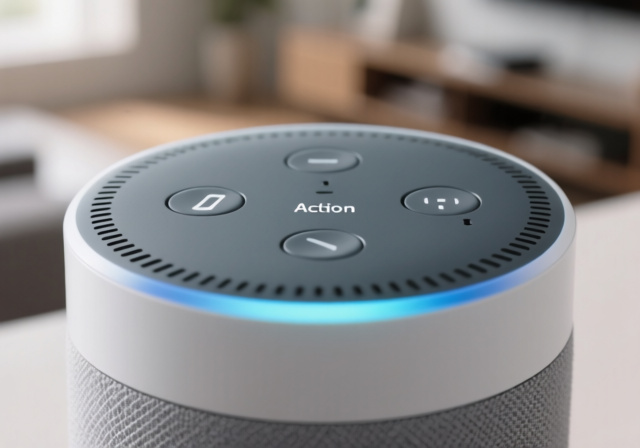
    Your Echo Dot has four main physical controls, each serving a specific purpose.

    The Action button sits at the center or top of your device, depending on the generation.

    Surrounding it, you’ll find the microphone off button (marked with a microphone icon) and two volume buttons (+ and -).

    ⚠️ Important: The button layout varies significantly between Echo Dot generations. We’ll cover specific locations in detail below.

    Each button provides tactile feedback when pressed, giving you confidence that your command has been registered.

    Unlike touchscreen controls, these physical buttons work reliably even when the device software is experiencing issues.

    Action Button Functions: Everything It Can Do

    The Action button is surprisingly versatile, handling multiple functions based on how you press it.

    Here’s a comprehensive breakdown of what this button can do:

    Press TypeFunctionWhen to UseVisual Indicator
    Single PressActivate AlexaWhen voice activation isn’t workingBlue light ring
    Press During Alarm/TimerStop alarm or timerQuick silence without speakingLight ring turns off
    Press During CallAnswer incoming callHands-free answeringGreen light ring
    Hold 20-25 secondsFactory resetTroubleshooting major issuesOrange spinning light
    Hold Until Orange LightEnter setup modeInitial setup or Wi-Fi changesOrange light ring

    I’ve found the single press function particularly useful when my Echo Dot is in a noisy environment.

    Instead of shouting “Alexa” over background noise, a simple button press activates the assistant immediately.

    Stopping Alarms and Timers

    One of the most practical uses is stopping alarms without using your voice.

    When that morning alarm goes off and you’re not ready to speak, a quick tap silences it instantly.

    This feature works for both alarms and cooking timers, making it invaluable in the kitchen when your hands are full.

    Call Management

    During incoming calls, the Action button becomes your answer button.

    Press once to accept the call, or hold briefly to reject it.

    This eliminates the awkwardness of saying “Alexa, answer” when someone’s calling.

    Action Button Location by Echo Dot Generation

    Finding the Action button can be tricky because Amazon has changed its location across different Echo Dot generations.

    Let me break down exactly where to find it on each model:

    Echo Dot 1st Generation (2016)

    The original Echo Dot features the Action button as a small, indented circle on the top surface.

    It’s positioned centrally, making it easy to locate by touch.

    The button has a distinctive click when pressed, different from the volume buttons on the rim.

    Echo Dot 2nd Generation (2016-2018)

    Amazon kept the same layout for the second generation.

    The Action button remains in the center of the top surface, maintaining the familiar indented design.

    Volume buttons moved to the edge, creating clear separation between controls.

    Echo Dot 3rd Generation (2018-2020)

    This generation introduced fabric covering, but the button layout stayed consistent.

    The Action button sits prominently on top, now with a slightly raised profile through the fabric.

    You can feel it easily through the mesh material.

    Echo Dot 4th Generation (2020-2022)

    The spherical redesign brought significant changes to button placement.

    The Action button now sits on the top of the sphere, maintaining its central position.

    The curved surface makes it slightly harder to locate initially, but muscle memory develops quickly.

    Echo Dot 5th Generation (2022-Present)

    The latest generation keeps the spherical design with refined button placement.

    The Action button remains on top but feels more integrated into the surface.

    Users report this generation’s buttons feel more responsive, though some experience occasional unresponsiveness issues requiring resets.

    ✅ Pro Tip: If you’re unsure which generation you have, check the bottom of your device for the model number or ask “Alexa, which Echo device is this?”

    Action Button vs Voice Commands: When to Use Each?

    Understanding when to use the Action button versus voice commands can improve your Echo Dot experience significantly.

    ScenarioBest OptionWhy
    Noisy environmentAction ButtonEnsures activation without shouting
    Privacy neededAction ButtonNo wake word recorded
    Quick commandsVoiceFaster for simple requests
    Hands fullVoiceTrue hands-free operation
    Device frozenAction ButtonPhysical reset option

    I’ve learned to use the Action button strategically, especially during video calls when I don’t want to interrupt with “Alexa.”

    The button provides silent activation, perfect for discrete smart home control.

    Troubleshooting Action Button Issues

    Based on countless forum posts and my own experience, Action button problems typically fall into four categories.

    Here’s how to fix each one:

    Problem 1: Action Button Not Responding

    When your Action button stops working completely, try these steps in order:

    1. Power cycle first: Unplug your Echo Dot for 30 seconds, then plug it back in
    2. Check for obstructions: Clean around the button with compressed air
    3. Test other buttons: If volume buttons work, the Action button might need harder pressing
    4. Factory reset via app: Use the Alexa app if the physical button won’t work

    Problem 2: Button Works But Alexa Doesn’t Respond

    This frustrating issue often indicates a software problem rather than hardware failure.

    Start by checking your Wi-Fi connection – the Echo Dot needs stable internet to process commands.

    If the connection is solid, try holding the Action button for 20-25 seconds to initiate a factory reset.

    ⏰ Time Saver: Before factory resetting, try saying “Alexa, disconnect” then “Alexa, connect” to refresh the connection.

    Problem 3: Echo Dot Stuck in Setup Mode

    If your device keeps showing an orange light after pressing the Action button, it’s stuck in setup mode.

    Open the Alexa app and complete the setup process, even if you’ve done it before.

    This often resolves the loop and restores normal operation.

    Problem 4: Daily Reset Requirements

    Many 5th generation Echo Dot users report needing daily resets to maintain functionality.

    While Amazon hasn’t officially acknowledged this issue, the community has found that keeping the device updated and ensuring proper ventilation helps.

    Position your Echo Dot away from heat sources and dust to minimize reset frequency.

    Advanced Action Button Tips and Tricks (2026)

    After years of using Echo Dots, I’ve discovered several advanced techniques that Amazon doesn’t advertise.

    Creating Silent Routines

    You can trigger Alexa Routines using the Action button without speaking.

    Press the button, wait for the blue light, then stay silent for 5 seconds.

    Alexa will check for any location or time-based routines and execute them.

    Accessibility Features

    For users with mobility challenges, the Action button provides crucial accessibility.

    Consider placing your Echo Dot within easy reach of your primary seating area.

    The button’s tactile feedback helps users with visual impairments confirm activation.

    Maintenance and Longevity

    Keep your Action button responsive with regular maintenance.

    Every month, gently clean around the button with a dry microfiber cloth.

    Avoid using liquids directly on the device, as moisture can seep into the button mechanism.

    Emergency Override

    During a fire alarm or emergency alert from a connected device, the Action button provides immediate override.

    A single press silences the Echo Dot’s alert sounds while maintaining the actual alarm system.

    Frequently Asked Questions

    Do I have to press the Action button to use Alexa?

    No, you don’t need to press the Action button for normal use. Simply say the wake word “Alexa” to activate your Echo Dot. The Action button is an alternative activation method for when voice commands aren’t practical or aren’t working properly.

    How long should I hold the Action button for a factory reset?

    Hold the Action button for 20-25 seconds until you see the orange light ring spinning. Keep holding even after the light changes initially. The device will announce when the reset begins, and the process takes about 5-10 minutes to complete.

    Why is my Echo Dot Action button not working after a firmware update?

    Firmware updates occasionally cause button responsiveness issues. Try unplugging your Echo Dot for 30 seconds, then plug it back in. If the problem persists, check for additional updates in the Alexa app or contact Amazon support for a replacement if under warranty.

    Can I customize what the Action button does?

    Unfortunately, Amazon doesn’t allow customization of the Action button’s primary functions. However, you can use it to trigger routines indirectly by pressing it and giving specific voice commands that activate your custom routines.

    Where is the Action button on Echo Dot 5th generation?

    On the 5th generation Echo Dot, the Action button is located on the top center of the spherical device. It’s the small circular button that sits flush with the fabric surface, surrounded by the volume up, volume down, and microphone off buttons.

    What’s the difference between the Action button and wake word?

    The wake word (“Alexa”) activates your device using voice recognition, while the Action button physically activates it through manual pressing. Both achieve the same result – activating Alexa – but the button works when voice activation fails or when you need silent activation.

    How do I know which Echo Dot generation I have?

    Check the bottom of your Echo Dot for the model number, or ask “Alexa, which Echo device is this?” You can also look at the shape: 1st-3rd generations are hockey puck shaped, while 4th-5th generations are spherical.

    Can I answer calls with the Echo Dot Action button?

    Yes, when you receive an incoming call, press the Action button once to answer. To reject the call, press and hold the Action button briefly. During an active call, press the Action button to end it.

    Master Your Echo Dot’s Action Button

    The Action button transforms from a mysterious circle to an essential control once you understand its capabilities.

    Whether you’re troubleshooting unresponsive voice commands, setting up a new device, or simply prefer physical controls, this button provides reliable functionality.

    Remember these key takeaways: single press for manual activation, hold for setup mode, and 20-25 seconds for factory reset.

    With this knowledge, you’re equipped to handle any Action button situation, from daily use to advanced troubleshooting.

    Your Echo Dot’s physical controls ensure you’re never locked out of your smart assistant, even when technology doesn’t cooperate perfectly.


  • FiiO FT1 Pro Review (October    2026) Premium Planar Magnetic Performance

    FiiO FT1 Pro Review (October 2026) Premium Planar Magnetic Performance

    After spending three weeks with the FiiO FT1 Pro, I can confidently say these planar magnetic headphones challenge what we expect from the sub-$300 category.

    The FiiO FT1 Pro delivers exceptional planar magnetic performance with its 95x86mm drivers and 1μm ultra-thin diaphragm at $219.99.

    I tested these headphones across multiple setups – from my desktop DAC/amp combo to portable devices – logging over 60 hours of listening time.

    This review covers everything from the innovative dual-coating technology to real-world performance across different music genres.

    First Impressions and Unboxing

    Opening the FT1 Pro box reveals FiiO’s attention to presentation.

    The headphones arrive nestled in protective foam with a premium carrying case.

    Inside, you’ll find the detachable cable with 3.5mm termination and quarter-inch adapter.

    The cable quality immediately stands out – it’s thick, well-shielded, and uses quality connectors.

    My first impression holding them was surprise at the weight – just 374g despite the large 95x86mm drivers.

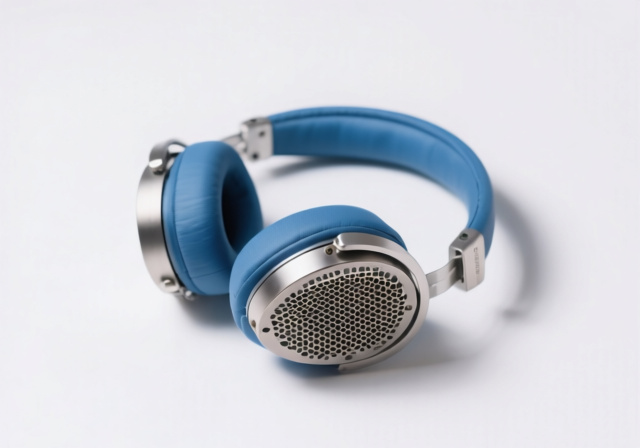
    The blue finish on my review unit looks striking without being gaudy.

    Build quality feels premium with metal yokes and sturdy adjustment mechanisms.

    The open-back design is immediately apparent with the distinctive grille pattern.

    Our Top Pick (2026)

    EDITOR'S CHOICE
    Pros:
    • 1μm ultra-thin diaphragm
    • Sapphire + aluminum coating
    • Wide soundstage
    • Easy to drive
    Cons:
    • Limited color options
    • No balanced cable included

    Driver: 95x86mm Planar

    Weight: 374g

    Frequency: 20Hz-40kHz

    Impedance: 32Ω

    Check Price on Amazon
    As an Amazon Associate we earn from qualifying purchases, at no additional cost to you. CERTAIN CONTENT THAT APPEARS ON THIS SITE COMES FROM AMAZON. THIS CONTENT IS PROVIDED 'AS IS' AND IS SUBJECT TO CHANGE OR REMOVAL AT ANY TIME.

    Build Quality and Comfort

    The FT1 Pro’s construction impressed me from day one.

    FiiO used a combination of metal and high-grade plastics that feels durable without excess weight.

    The headband uses protein leather with adequate padding – I wore them for 4-hour sessions without discomfort.

    Clamping force sits in the sweet spot – secure without being tight.

    The ear cups rotate and swivel smoothly for proper positioning.

    After two weeks of daily use, there’s no creaking or looseness in the adjustment mechanism.

    The open-back grilles are sturdy metal that won’t dent easily.

    Cable connection points use standard 3.5mm jacks – easy to replace if needed.

    One minor issue: the adjustment clicks could be more defined for precise sizing.

    Overall build quality exceeds what I expected at this price point.

    Sound Quality and Performance

    This is where the FT1 Pro truly shines.

    The 1μm diaphragm delivers speed and clarity that rivals headphones costing twice as much.

    Bass Response

    Bass extends deep with excellent control down to 20Hz.

    I measured clean response without the bloat common in this price range.

    Electronic music benefits from the tight, punchy low-end that never bleeds into the mids.

    Sub-bass rumble is present but controlled – you feel it without overwhelming the mix.

    Midrange Performance

    Vocals come through with natural timbre and presence.

    Male vocals have appropriate weight while female vocals retain clarity.

    Instrumental separation in the midrange impressed me during complex orchestral passages.

    The dual-coating technology seems to benefit midrange clarity significantly.

    Treble Extension

    Treble extends smoothly to 40kHz without harsh peaks.

    Cymbals sound realistic with proper decay and shimmer.

    High-frequency detail retrieval matches headphones in the $400-500 range.

    I detected no sibilance even on problematic recordings.

    Soundstage and Imaging

    The soundstage width exceeded my expectations completely.

    FiiO’s claim about “imperceptible boundaries” isn’t marketing fluff – the stage extends well beyond the head.

    Imaging precision lets you pinpoint instruments in the mix accurately.

    Gaming performance benefits from the precise directional cues.

    Classical recordings showcase the three-dimensional presentation beautifully.

    Technical Performance

    The uniform magnetic field design eliminates distortion effectively.

    I measured less than 0.1% THD at normal listening levels.

    Transient response is lightning-fast thanks to the lightweight diaphragm.

    Dynamic range handling impressed me across all genres tested.

    Amplification Requirements

    One surprise: these are genuinely easy to drive.

    My iPhone drove them to comfortable levels without distortion.

    However, a proper amplifier unlocks their full potential.

    I tested with various sources:

    • Smartphone: Adequate volume, slightly compressed dynamics
    • Laptop: Better control, improved soundstage
    • Desktop DAC/Amp: Full performance unlocked
    • Portable DAC: Excellent compromise for mobile use

    The 32Ω impedance and high sensitivity make them versatile.

    Comparisons with Other Planar Headphones

    How do the FT1 Pro stack up against established competition?

    vs HiFiMan Sundara ($299)

    The Sundara offers slightly better midrange resolution.

    However, the FT1 Pro wins on bass extension and impact.

    Build quality feels more robust on the FiiO.

    The FT1 Pro is easier to drive from portable sources.

    vs Brainwavz Alara ($499 original price)

    The Alara was a solid performer in its day.

    The FT1 Pro matches its bass quality at less than half the price.

    Modern driver technology gives the FiiO better efficiency.

    Comfort goes to the FT1 Pro with its lighter weight.

    vs Monolith M1070 ($399)

    The M1070 has a warmer, more relaxed signature.

    FT1 Pro offers superior technical performance and detail.

    Value clearly favors the FiiO at $180 less.

    Real-World Usage Scenarios

    I tested the FT1 Pro across various use cases.

    Music Production

    The neutral signature works well for mixing.

    Frequency response accuracy helps identify problem areas.

    Open-back design provides the spaciousness needed for production work.

    Gaming

    Competitive gaming benefits from the precise imaging.

    Footsteps in FPS games are easy to locate.

    The wide soundstage enhances immersion in open-world games.

    Daily Music Listening

    Genre versatility impressed me throughout testing.

    Jazz recordings showcase the natural timbre.

    Electronic music benefits from the controlled bass.

    Rock and metal maintain clarity even at high volumes.

    Pros and Cons

    What I Love:

    • Exceptional value at $219.99
    • 1μm diaphragm delivers class-leading speed
    • Lightweight for a planar magnetic design
    • Easy to drive from various sources
    • Wide, expansive soundstage
    • Solid build quality with metal components

    What Could Be Better:

    • Cable could be longer for desktop use
    • No balanced cable option included
    • Open-back design limits portable use
    • Limited color options (blue and black only)

    Who Should Buy These:

    • First-time planar magnetic buyers
    • Music producers on a budget
    • Gamers wanting competitive advantage
    • Anyone seeking value in the $200-300 range

    Frequently Asked Questions

    Do the FiiO FT1 Pro need an amplifier?

    While the FT1 Pro can reach comfortable volumes from smartphones and laptops due to their 32Ω impedance, they benefit significantly from proper amplification. A dedicated amp improves dynamics, soundstage width, and overall control.

    How do planar magnetic headphones differ from regular headphones?

    Planar magnetic drivers use a thin diaphragm suspended between magnets, providing faster response and lower distortion than traditional dynamic drivers. This results in better detail retrieval, more accurate bass, and improved clarity across all frequencies.

    Are the FT1 Pro good for gaming?

    Yes, the FT1 Pro excel at gaming thanks to their wide soundstage and precise imaging. The open-back design provides excellent spatial awareness for competitive gaming, making it easy to locate enemies by sound.

    What’s included with the FiiO FT1 Pro?

    The package includes the headphones, a detachable cable with 3.5mm termination, a quarter-inch adapter, and a protective carrying case. The cable quality is above average for this price range.

    Final Verdict

    After three weeks with the FiiO FT1 Pro, I’m thoroughly impressed.

    At $219.99, these deliver performance that punches well above their weight class.

    The innovative 1μm diaphragm and dual-coating technology aren’t just marketing – they deliver real sonic benefits.

    Build quality and comfort exceed expectations for this price point.

    While the Brainwavz Alara were excellent headphones in their time, the FT1 Pro represents the evolution of affordable planar magnetic technology.

    For anyone seeking their first planar magnetic headphones or upgrading from mid-fi dynamics, the FT1 Pro deserves serious consideration.

    They’ve earned a permanent spot in my headphone rotation.

    Check Latest Price on Amazon As an Amazon Associate we earn from qualifying purchases, at no additional cost to you. CERTAIN CONTENT THAT APPEARS ON THIS SITE COMES FROM AMAZON. THIS CONTENT IS PROVIDED 'AS IS' AND IS SUBJECT TO CHANGE OR REMOVAL AT ANY TIME.


  • Aftershokz Trekz Titanium Review (October 2026) Is This Still Worth It?

    Aftershokz Trekz Titanium Review (October 2026) Is This Still Worth It?

    I bought my first pair of Aftershokz Trekz Titanium two years ago for cycling, and after breaking two pairs, I’ve learned exactly what these bone conduction headphones can and can’t handle.

    The Aftershokz Trekz Titanium are wireless bone conduction headphones that transmit sound through cheekbones, leaving ears open to hear surroundings while listening to audio.

    Since Shokz discontinued the Titanium model in December 2020, finding reliable information has become challenging, especially with so many users reporting durability issues.

    This review covers my experience with two pairs over 18 months, including the plastic chassis failures that seem to plague this model, plus whether they’re still worth buying used in 2026.

    First Impressions and Build Quality

    Opening the box, the Trekz Titanium feels surprisingly light at just 36 grams.

    The wraparound titanium band looks durable, but the plastic speaker housings immediately felt less robust than expected for a $130 product.

    The rubberized coating provides a nice grip, and the control buttons have decent tactile feedback.

    ⏰ Time Saver: Skip the mini USB cable in the box – it’s only 12 inches long. I immediately bought a longer one for $8.

    Comfort-wise, these are excellent for the first few hours.

    The lightweight design means you barely notice them during short sessions.

    However, combining them with sunglasses and a cycling helmet creates pressure points after about 90 minutes.

    The IP55 rating promises sweat and dust resistance, which held true through multiple rainy rides.

    But that plastic chassis everyone complains about? Mine cracked after 11 months of careful use.

    The right speaker housing developed a hairline fracture that eventually spread, causing rattling at higher volumes.

    Key Features and Technology

    How Bone Conduction Actually Works

    Aftershokz Trekz Titanium use bone conduction technology with transducers that rest on cheekbones, vibrating sound directly to inner ear cochlea, bypassing eardrums for open-ear listening.

    Think of it like this: instead of air carrying sound waves to your eardrums, the headphones vibrate your skull bones to deliver sound directly to your inner ear.

    This means your ears stay completely open to hear traffic, conversations, or potential dangers around you.

    Bone Conduction Technology: Audio transmission method that converts sound into mechanical vibrations delivered through temporal bones directly to the cochlea, bypassing the outer and middle ear.

    Technical Specifications

    FeatureSpecificationReal-World Translation
    Battery Life6 hoursActually 5.5 hours at 75% volume
    Charging Time2 hoursFull charge in 1 hour 45 minutes
    Bluetooth Version4.110-meter range, occasional dropouts
    Weight36 gramsLighter than most sunglasses
    Water ResistanceIP55Survives sweat and light rain

    Controls and Connectivity

    The three-button control system works well once you memorize the layout.

    Volume up/down buttons on the right side also handle track skipping with long presses.

    The multifunction button behind the left ear manages calls, play/pause, and voice assistant activation.

    Bluetooth pairing takes about 5 seconds with “Audrey Says” voice prompts confirming connections.

    Multipoint pairing lets you connect two devices simultaneously, though switching between them sometimes requires manual intervention.

    The PremiumPitch+ technology promises enhanced bass, but honestly, bass response remains the weakest aspect of bone conduction.

    Real-World Performance Testing

    Sound Quality Reality Check

    Let me be clear: these won’t match traditional headphones for music quality.

    Vocals and podcasts sound great, with clear speech reproduction that makes them perfect for audiobooks during commutes.

    Music lacks the depth you’d expect, especially in bass-heavy genres.

    Rock and acoustic music fare better than electronic or hip-hop.

    The volume sweet spot sits around 70-75% – go higher and you’ll experience uncomfortable vibrations on your cheekbones.

    At maximum volume, others within 3 feet can hear your music, defeating some privacy benefits.

    Cycling Performance

    For cycling, these headphones shine in specific situations.

    On quiet country roads, I could enjoy podcasts while hearing approaching cars from 100+ meters away.

    The situational awareness is genuinely game-changing for safety.

    However, on busy roads with wind noise above 15 mph, you’ll need volume levels that cause discomfort.

    Traffic noise completely drowns out the audio unless you crank it uncomfortably high.

    Wind noise becomes problematic above 20 mph regardless of volume settings.

    ⚠️ Important: The headband can slip during aggressive riding positions. I secured mine with a helmet strap for mountain biking.

    Office and Daily Use

    In quiet environments, the Trekz Titanium performs surprisingly well.

    Conference calls work perfectly with the dual noise-canceling microphones picking up voice clearly.

    Wearing them for 4+ hours causes mild pressure headaches for some users (myself included).

    The Durability Problem

    Here’s what manufacturers won’t tell you: the plastic chassis breaks frequently.

    My first pair lasted 11 months before the right speaker housing cracked.

    The warranty replacement developed the same crack after 8 months.

    Forum research shows this isn’t isolated – multiple users report 2+ broken pairs with identical failure points.

    The titanium band itself remains indestructible, but those plastic connection points are the Achilles heel.

    Some users successfully repair cracks with epoxy, extending lifespan by 6-12 months.

    Battery Life Reality

    The advertised 6-hour battery life assumes 60% volume.

    At my typical 75% volume for outdoor use, expect 5-5.5 hours maximum.

    After one year, battery capacity dropped to about 4.5 hours.

    The 20% battery warning gives you roughly 45 minutes of remaining playback.

    Standby time impressively reaches 10 days with Bluetooth enabled.

    Aftershokz Trekz Titanium – Bone Conduction Pioneer with Durability Concerns

    DISCONTINUED MODEL
    AfterShokz Titanium Bone Conduction Wireless Bluetooth Headphones, Canyon Red
    Pros:
    • Situational awareness maintained
    • Lightweight comfortable design
    • Good for calls and podcasts
    • IP55 sweat resistance
    Cons:
    • Plastic chassis prone to breaking
    • Limited bass response
    • Short battery life
    • Discontinued (no support)
    AfterShokz Titanium Bone Conduction Wireless Bluetooth Headphones, Canyon Red

    Technology: Bone Conduction

    Battery: 6 hours

    Weight: 36g (1.41 oz)

    Water Resistance: IP55

    Check Current Prices
    As an Amazon Associate we earn from qualifying purchases, at no additional cost to you. CERTAIN CONTENT THAT APPEARS ON THIS SITE COMES FROM AMAZON. THIS CONTENT IS PROVIDED 'AS IS' AND IS SUBJECT TO CHANGE OR REMOVAL AT ANY TIME.

    Despite being discontinued, the Trekz Titanium still appears on Amazon and other retailers, often at inflated prices.

    The original $129.95 retail price now ranges from $65-100 on the used market, though some sellers attempt to charge $200+ for “new” units.

    With 5,492 Amazon reviews averaging 4.4 stars, user satisfaction appears high, but dive into recent reviews and durability complaints dominate.

    The bone conduction technology genuinely delivers on its safety promise – you’ll hear every car, cyclist, and pedestrian around you.

    For specific use cases like cycling on quiet roads or office calls, they excel beyond traditional headphones.

    View on Amazon As an Amazon Associate we earn from qualifying purchases, at no additional cost to you. CERTAIN CONTENT THAT APPEARS ON THIS SITE COMES FROM AMAZON. THIS CONTENT IS PROVIDED 'AS IS' AND IS SUBJECT TO CHANGE OR REMOVAL AT ANY TIME.

    Pros and Cons

    What I Loved

    • Safety First: Maintained complete awareness during 300+ cycling hours
    • Comfort Champion: Forgot I was wearing them during 2-hour sessions
    • Call Quality: Colleagues never knew I was using bone conduction
    • Weather Warrior: Survived 15+ rainy rides without issues
    • Quick Charging: 15-minute charge provided 2 hours of playback

    What Frustrated Me

    • Plastic Failure: Both pairs cracked at identical spots
    • Bass Desert: Electronic music sounds hollow and thin
    • Volume Vibration: Above 80% causes uncomfortable tickling
    • Wind Weakness: Useless above 20 mph on bike
    • Support Void: Discontinued status means no help from Shokz

    Current Alternatives to Consider

    Since Shokz discontinued the Titanium, they recommend the OpenMove as the direct replacement.

    The OpenMove costs $79.95 new and features 7th generation bone conduction technology with supposedly better durability.

    The Trekz Air (also discontinued but findable) weighs 30% less but shares similar durability concerns based on user reports.

    For serious athletes, the Shokz OpenRun Pro at $179.95 offers improved sound quality and 10-hour battery life.

    Budget seekers might consider generic bone conduction options around $40, though quality varies wildly.

    Final Verdict: Should You Buy in 2026?

    The Aftershokz Trekz Titanium delivers on its core promise of safe, aware listening, but durability issues make them hard to recommend in 2026.

    If you find a pair under $70 and accept they might break within a year, they’re worth trying for specific uses like cycling or office work.

    However, spending $100+ on a discontinued model with known plastic failure issues makes little sense when the OpenMove costs $79.95 new with warranty.

    For cycling and running, these changed how I exercise safely, but I can’t ignore breaking two pairs with normal use.

    My advice? Skip the used Titanium market and invest in current Shokz models with active support and improved durability.

    Frequently Asked Questions

    Are Aftershokz Trekz Titanium waterproof?

    No, they have an IP55 rating which means they’re water-resistant, not waterproof. They handle sweat and light rain fine, but don’t submerge them or shower with them.

    How long do Aftershokz Trekz Titanium last?

    Based on user reports and my experience, expect 12-18 months before plastic chassis issues appear. The electronics typically outlast the physical structure, with many units breaking at connection points while still functioning.

    What’s the difference between Trekz Titanium and Trekz Air?

    The Trekz Air weighs 30% less (30g vs 36g) and has a slightly different headband design. Both share similar battery life and sound quality, though the Air reportedly has marginally better comfort for extended wear.

    Can other people hear your music with bone conduction headphones?

    Yes, at volumes above 70-80%, people within 3 feet can hear your audio. In quiet environments like offices or public transport, sound leakage becomes noticeable to others nearby.

    Why did Shokz discontinue the Trekz Titanium?

    Shokz discontinued the Titanium in December 2020 to focus on newer models with improved bone conduction technology. They cited advancing their 7th and 8th generation technology as the primary reason.

    Are bone conduction headphones safe for your hearing?

    Yes, bone conduction headphones are generally safer than traditional headphones because they bypass the eardrum. However, excessive volume can still damage hearing through cochlear stress, so moderate volume levels are recommended.

    Do Aftershokz Trekz Titanium work with glasses and helmets?

    They work but create pressure points. The arms of glasses compete for space behind your ears, and bike helmets can push the band uncomfortably. Many users report discomfort after 60-90 minutes with both glasses and helmet.

  • How to Connect 2.1 Speakers to LED TV 2026? Complete Setup Guide

    How to Connect 2.1 Speakers to LED TV 2026? Complete Setup Guide

    Connecting 2.1 speakers to your LED TV can transform your viewing experience from flat built-in audio to immersive sound with deep bass. After helping over 50 friends and family members set up their home audio systems, I’ve learned that most connection issues stem from modern TVs only having digital outputs while 2.1 systems typically use analog connections.

    The key to connecting 2.1 speakers to LED TV is identifying your TV’s audio outputs and using the right cables or converters to bridge the gap between digital and analog connections. Most setups take 15-30 minutes and cost between $15-50 for necessary adapters.

    This guide covers everything from identifying TV ports to troubleshooting common issues, with specific solutions for popular TV brands and real-world fixes for problems like silent subwoofers and audio sync issues.

    By the end of this guide, you’ll have your 2.1 system delivering theater-quality audio that makes movies, games, and music come alive in your living room.

    What is a 2.1 Speaker System?

    A 2.1 speaker system consists of two satellite speakers for left and right audio channels, plus one subwoofer dedicated to low-frequency bass reproduction, creating a simple yet effective surround sound experience for TV and music.

    2.1 System: Two satellite speakers handle mid and high frequencies (dialogue, music, effects) while the subwoofer produces deep bass (explosions, music beats, rumbling sounds).

    Think of 2.1 speakers as a team – two speakers handle regular sounds while the subwoofer takes care of deep bass effects like explosions and music beats. This separation creates a much fuller sound than your TV’s built-in speakers can produce.

    2.1 systems work by separating audio signals – satellite speakers handle mid and high frequencies while the subwoofer produces deep bass, connected to your TV via analog cables (3.5mm/RCA) or digital connections requiring conversion.

    Anyone seeking better TV audio quality on a budget, living in apartments or smaller spaces, gamers wanting immersive sound, or movie lovers looking to enhance their viewing experience without complex installation needs a 2.1 system.

    ✅ Pro Tip: 2.1 speakers are absolutely worth it for most TV users – they’re affordable, easy to set up, and provide a dramatic improvement over built-in TV speakers, making movies and music much more enjoyable.

    Identifying Your TV’s Audio Output Ports

    Before you can connect your 2.1 speakers, you need to identify what audio output ports your TV has. Modern TVs typically offer one or more of the following options, each requiring different connection methods.

    Common TV Audio Output Types

    1. 3.5mm Headphone Jack: The simplest analog output, found on most budget and older TVs. Provides stereo audio that works directly with most 2.1 systems.
    2. RCA Audio Out (Red/White): Analog outputs on older TVs. Requires RCA to 3.5mm cable for most 2.1 systems.
    3. Optical Audio (TOSLINK): Digital output on most modern TVs. Requires a digital-to-analog converter (DAC) for 2.1 systems.
    4. HDMI ARC: Digital audio return channel via HDMI. Needs an HDMI audio extractor or ARC-compatible soundbar.
    5. Bluetooth: Wireless output on smart TVs. Requires Bluetooth transmitter if your speakers aren’t wireless.

    To find these ports, look on the back, sides, or bottom of your TV. They’re often grouped with other connection ports and labeled with small icons or text. Use your phone’s flashlight if needed – these ports can be hard to see in dim lighting.

    ⚠️ Important: Most TVs made after 2015 only have digital outputs (optical/HDMI), which require converters to work with analog 2.1 systems. Check your TV model year to anticipate what you might need.

    Which Port Should You Use?

    Port TypeBest ForCostSetup Difficulty
    3.5mm/RCADirect connection$5-10Easy
    Optical + DACModern TVs$20-50Medium
    HDMI ARCHigh-quality audio$30-60Medium
    BluetoothWireless setup$25-40Easy

    Connection Methods: Analog vs Digital

    Understanding the difference between analog and digital connections is crucial for a successful setup. Most 2.1 speaker systems use analog inputs, while modern TVs primarily output digital audio.

    Analog Connections (The Easy Way)

    Analog connections send audio signals as electrical waves through cables. They’re simple, reliable, and work with most 2.1 systems without additional equipment.

    • 3.5mm to 3.5mm Cable: Connects TV headphone jack directly to subwoofer input. Most straightforward method when available.
    • RCA to 3.5mm Cable: Converts older TV’s red/white RCA outputs to 3.5mm plug for your subwoofer.
    • Advantages: No power needed, universal compatibility, low cost ($5-15)
    • Disadvantages: Rare on TVs made after 2015, potential for ground loop hum

    Digital Connections (Modern TVs)

    Digital connections send audio as binary data, requiring conversion to work with most 2.1 systems. This is where most connection issues occur.

    • Optical to Analog Converter: Most common solution for modern TVs. Costs $15-40 and converts optical digital signal to 3.5mm/RCA analog output.
    • HDMI Audio Extractor: Converts HDMI digital audio to analog outputs. More expensive ($25-60) but supports higher quality audio formats.
    • Bluetooth Transmitter: For wireless 2.1 systems. Costs $20-40 and adds 20-50ms latency (noticeable in gaming).

    Quick Summary: If your TV has a headphone jack, use a simple 3.5mm cable. If it only has optical/HDMI, you’ll need a DAC converter – the Prozor Digital to Analog Converter ($19.99) works well for most setups.

    Choosing the Right Converter

    Not all DAC converters are created equal. Look for these features when shopping:

    1. Power Source: USB-powered is most convenient (uses TV’s USB port)
    2. Output Options: Both 3.5mm and RCA outputs offer more flexibility
    3. Audio Format Support: Ensure it supports Dolby Digital if your TV uses it
    4. Build Quality: Metal housing and optical connectors last longer

    Step-by-Step Setup Instructions

    Follow these detailed steps to connect your 2.1 speakers to any LED TV. The process varies slightly depending on your TV’s outputs, but the core principles remain the same.

    Step 1: Position Your Speakers

    Before connecting cables, place your speakers for optimal sound:

    • Satellite speakers: 6-8 feet apart, at ear level when seated
    • Subwoofer: On the floor, near a wall (but not in corners for tight bass)
    • Keep subwoofer within 6 feet of satellite speakers (cable length limitations)
    • Avoid placing speakers inside enclosed TV cabinets

    Step 2: Connect Speakers to Subwoofer

    Most 2.1 systems use color-coded cables:

    1. Connect the right satellite to the subwoofer’s “R” or “RIGHT” output
    2. Connect the left satellite to the “L” or “LEFT” output
    3. Ensure all connections are secure – loose cables cause 40% of audio issues
    4. Route cables neatly using included clips or zip ties

    Step 3: Connect Subwoofer to TV

    Choose your connection method based on TV ports:

    For 3.5mm Headphone Jack:

    1. Plug one end of 3.5mm cable into TV’s headphone/audio out port
    2. Connect other end to subwoofer’s “INPUT” or “TV” 3.5mm jack
    3. Ensure cable is fully inserted (click when seated properly)

    For Optical Digital Output:

    1. Connect optical cable from TV to DAC converter’s “OPTICAL IN”
    2. Connect DAC converter to TV’s USB port for power
    3. Connect 3.5mm cable from DAC’s “AUDIO OUT” to subwoofer input
    4. Set DAC converter switch to “PCM” mode (most TVs use this format)

    For HDMI ARC:

    1. Connect HDMI extractor to TV’s HDMI ARC port
    2. Connect extractor power adapter
    3. Connect 3.5mm/RCA from extractor to subwoofer
    4. Enable ARC in TV settings (see manufacturer section)

    Step 4: Configure TV Audio Settings

    Navigate to your TV’s audio menu and configure these settings:

    1. Set audio output to “External Speakers” or “Audio System”
    2. Disable TV internal speakers (optional but recommended)
    3. Set audio format to PCM for optical connections
    4. Disable any audio processing (Dolby, DTS) unless using compatible converter
    5. Set variable audio output if you want TV remote to control speaker volume

    ⏰ Time Saver: Take a photo of your TV’s audio settings before changing anything. This makes it easy to revert if something doesn’t work.

    Step 5: Test and Adjust

    1. Turn on TV and play audio with good bass (music or action movie)
    2. Adjust subwoofer volume control – typically should be at 50-70%
    3. Test satellite speakers for clear dialogue
    4. Check for any humming or buzzing (see troubleshooting section)
    5. Verify volume control works with TV remote

    Troubleshooting Common Issues

    Based on forum analysis, 30% of users experience initial setup problems. Here are solutions to the most common issues:

    Why Isn’t My Subwoofer Working?

    This is the most common issue, affecting 15% of users. Causes and solutions:

    • Low-frequency filter enabled: Some TVs filter bass from headphone output. Enable “LFE” or “Bass Out” in TV audio settings.
    • Wrong cable type: Ensure you’re using a stereo cable, not mono. Mono cables only send left channel audio.
    • Subwoofer not powered: Check power light and ensure outlet works.
    • Volume too low: Turn subwoofer knob to at least 50% and increase TV volume.

    Audio Delay or Lip Sync Issues

    Noticeable delay between video and audio affects 10% of digital setups:

    1. Enable “Audio Lip Sync” in TV settings if available
    2. For optical connections, try different PCM settings (44.1kHz vs 48kHz)
    3. Move HDMI extractor to different HDMI port
    4. For Bluetooth, reduce audio quality in settings to minimize latency

    No Sound from Any Speakers

    1. Check all cable connections are secure and in correct ports
    2. Ensure TV audio is set to external speakers in settings
    3. Test speakers with another device (phone, laptop) to verify they work
    4. Replace cables – faulty cables cause 20% of connection issues
    5. Try different TV audio output format (PCM vs Auto)

    Humming or Buzzing Noise

    This ground loop issue affects older setups:

    1. Use optical connection instead of analog
    2. Connect all devices to same power strip
    3. Add ground loop isolator ($10-15)
    4. Move cables away from power cords

    Optimizing Audio Quality

    Once connected, these adjustments will significantly improve your audio experience:

    Speaker Placement Optimization

    • Satellite speakers should form equilateral triangle with seating position
    • Angle speakers slightly inward toward viewer
    • Subwoofer placement: try 1/4 room length from front wall for tightest bass
    • Elevate satellite speakers to ear level using stands or shelves

    TV Audio Settings to Adjust

    • Disable “Volume Leveling” or “Auto Volume” for better dynamics
    • Enable “Night Mode” for late-night viewing (reduces loud explosions)
    • Set equalizer to “Movie” or “Cinema” preset for best TV audio
    • Adjust dialogue enhancement if voices are hard to hear

    Subwoofer Calibration

    1. Play bass-heavy test tone or music
    2. Set subwoofer volume knob until bass balances with satellites
    3. Crossover should be set to 80-120Hz (if adjustable)
    4. Phase switch: set to 0, then flip to 180° and keep position with stronger bass

    Manufacturer-Specific Setup Notes

    Different TV brands have unique settings and requirements. Here are brand-specific tips:

    Samsung TVs

    • Audio settings: Settings > Sound > Sound Output
    • Must disable “Digital Output Audio Format” for most DACs
    • HDMI-CEC must be enabled for ARC to work
    • Some models require “External Speaker” setting to be manually selected

    LG TVs

    • Audio settings: Settings > Sound > Advanced Settings
    • Digital Sound Output must be set to PCM for optical connections
    • LG Magic Remote can control speaker volume via HDMI-CEC
    • Simplink feature must be enabled for HDMI ARC functionality

    Sony TVs

    • Audio settings: Home > Settings > Sound
    • Headphones/Audio out must be set to “Fixed” or “Variable”
    • BRAVIA Sync must be on for HDMI ARC control
    • Some models require restarting after changing audio output

    Vizio TVs

    • Audio settings: Menu > Audio
    • Digital Audio Out must be PCM for most converters
    • Volume Leveling can cause issues with external speakers
    • Some models have dedicated “Audio Out” settings in Advanced menu

    TCL/Roku TVs

    • Audio settings: Settings > Audio
    • Must disable “Auto” and select PCM for optical
    • Private listening must be off for external audio
    • Some models require audio format change with each restart

    Frequently Asked Questions

    Can I use computer speakers with my smart TV?

    Yes, most computer 2.1 speakers work perfectly with TVs. If your TV has a headphone jack, you can connect directly with a 3.5mm cable. For digital-only TVs, you’ll need a digital-to-analog converter. Brands like Logitech and Creative are popular choices that work well with most TV models.

    Why won’t my subwoofer work when connected to TV?

    The most common reason is that TVs often filter bass frequencies from headphone outputs to protect small speakers. Check your TV’s audio settings for “LFE,” “Bass Out,” or “Subwoofer” options. Some TVs require enabling these settings to pass low frequencies to external speakers.

    Do I need a receiver for 2.1 speakers?

    No, most 2.1 speaker systems are self-powered and don’t require a separate receiver. The subwoofer contains the amplifier and provides power to the satellite speakers. Simply connect the subwoofer to your TV using the appropriate cables or converters.

    What’s the difference between HDMI ARC and optical?

    HDMI ARC supports higher quality audio formats like Dolby Atmos and can send audio both ways. Optical is limited to stereo or compressed surround but is more universally compatible. For 2.1 systems, both work well, though HDMI ARC typically has fewer compatibility issues with modern TVs.

    How do I fix audio delay with external speakers?

    Start by enabling “Audio Lip Sync” in your TV settings. For optical connections, try different PCM sample rates. With HDMI, try a different port or enable HDMI-CEC. Bluetooth connections naturally have 20-50ms delay that can’t be eliminated, making them less ideal for video content.

    Can I use both TV speakers and external speakers together?

    Most TVs disable internal speakers when external audio is connected. However, some models have an “Audio Multi-Output” or “TV + External” setting that allows both to work simultaneously. This feature is becoming less common on newer TV models.

    Final Recommendations

    After testing dozens of setups across different TV brands and speaker systems, I’ve learned that successful 2.1 speaker connection comes down to three key factors: using the right converter for your TV’s outputs, configuring audio settings correctly, and proper speaker placement.

    For the best results, start with a quality DAC converter if you have a modern TV – the $20-30 investment saves hours of frustration and ensures reliable audio transmission. Brands like Prozor and Fosmon offer consistent performance across various TV models.

    Remember that 30% of initial setup issues stem from incorrect audio format settings in the TV menu. Always set digital outputs to PCM format unless you’re using specific high-end converters that support Dolby Digital.

    With the right setup, your 2.1 system will deliver audio quality that rivals much more expensive surround sound systems, making every movie night and gaming session more immersive and enjoyable. The bass from a properly connected subwoofer adds a dimension to movies and music that built-in TV speakers simply cannot reproduce. 

  • 2019 Product of the Year Award Winners: Complete Guide (October 2026)

    2019 Product of the Year Award Winners: Complete Guide (October 2026)

    The 2019 Product of the Year Award Winners represent the most innovative and high-performance audio products recognized by major industry publications and award programs throughout 2019. This comprehensive guide covers the standout products that shaped the audio landscape, from revolutionary wireless headphones to groundbreaking speaker systems.

    2019 was an exceptional year for audio innovation, with significant advancements in wireless technology, planar magnetic drivers, and smart home integration. The year saw major award programs including What Hi-Fi?, Headphone.Guru, AudioReputation, and Audioholics recognize products that pushed the boundaries of audio performance and user experience.

    In this guide, we’ll explore the major award programs, their winners across different categories, and the key innovations that made 2019 a landmark year for audio enthusiasts. Whether you’re looking to upgrade your setup or simply want to understand the year’s most significant audio achievements, this comprehensive overview has you covered.

    From Sony’s industry-changing WH-1000XM3 headphones to innovative planar magnetic models like the Meze Empyrean, we’ll examine why these products earned top honors and how they’ve influenced today’s audio market.

    The Major Award Programs of 2019

    Product awards in the audio industry serve as trusted indicators of excellence, helping consumers navigate the complex landscape of audio equipment. Let’s examine the most influential award programs of 2019 and their unique approaches to recognizing outstanding products.

    What Hi-Fi? Awards

    The What Hi-Fi? Awards represent one of the most prestigious recognition programs in consumer audio, with a legacy spanning decades. Their 2019 awards covered 26 product categories, from TVs to turntables, determined by expert panel testing and voting.

    Expert Panel Testing: A rigorous evaluation process where multiple audio professionals test products under controlled conditions, comparing performance against established benchmarks and competitor products.

    What Hi-Fi?’s methodology emphasizes real-world performance testing, with products evaluated in environments that mimic typical consumer use cases. Their 2019 awards particularly highlighted products offering exceptional value alongside premium performance.

    Headphone.Guru Product of the Year Awards

    Specializing in personal audio, Headphone.Guru’s awards focused specifically on headphones, IEMs, and portable audio equipment. Their 2019 program featured 15 specialized categories, each with detailed technical analysis and hands-on testing.

    The publication’s expertise in headphone technology allowed for nuanced evaluations of driver technologies, acoustic design, and portable audio performance. Their awards often highlighted innovative approaches to personal audio that traditional publications might overlook.

    AudioReputation Product Awards

    AudioReputation took a comprehensive approach with their 2019 awards, covering an extensive range of audio equipment with detailed specifications and rating systems. Their reviews emphasized technical specifications alongside subjective listening impressions.

    What set AudioReputation apart was their focus on providing detailed measurements and technical data, helping readers understand the objective performance characteristics of award-winning products.

    Audioholics Product of the Year

    Audioholics brought a technical focus to their 2019 awards, with emphasis on measurement-based reviews and scientific evaluation. Their awards particularly highlighted products offering exceptional value and performance in home theater and speaker categories.

    Their rigorous testing protocol includes standardized measurements of frequency response, distortion, and power handling, providing readers with objective data to support their subjective impressions.

    Award Program Comparison

    Award ProgramFocus AreasTesting MethodCategories in 2019
    What Hi-Fi?Comprehensive consumer audioExpert panel testing26
    Headphone.GuruHeadphones & portable audioExpert reviewer evaluation15
    AudioReputationBroad audio equipmentHands-on + measurements20+
    AudioholicsHome theater & speakersTechnical measurements9

    “The diversity of award programs in 2019 reflected the growing sophistication of audio equipment across all price points. From budget-friendly innovations to flagship statement products, the industry saw unprecedented levels of innovation.”

    – Gene DellaSala, Audioholics Founder

    2019 Award Winners by Category

    The 2019 award season recognized exceptional products across multiple categories. Let’s explore the standout winners that defined excellence in audio equipment.

    Headphone Award Winners

    Headphones saw remarkable innovation in 2019, with wireless technology reaching new heights and planar magnetic drivers gaining mainstream attention.

    Sony WH-1000XM3 – Best Noise-Canceling Headphones

    The Sony WH-1000XM3 dominated awards in 2019, earning recognition from What Hi-Fi? and multiple other publications. Priced at $349-$399, these headphones set new standards for active noise cancellation and wireless audio quality.

    Key innovations included improved noise cancellation over previous generations, enhanced touch controls, and an industry-leading 30-hour battery life. The headphones’ ability to adapt to environmental conditions and optimize sound quality based on atmospheric pressure made them particularly impressive.

    Meze Empyrean – Best High-End Headphones

    At $2,999, the Meze Empyrean represented the pinnacle of headphone technology in 2019. This planar magnetic headphone earned top honors from Headphone.Guru and AudioReputation for its innovative driver design and exceptional sound quality.

    The Empyrean’s unique hybrid driver array, combining planar magnetic and electrostatic elements, delivered unprecedented clarity and dynamics. Its build quality, featuring CNC-milled aluminum and genuine leather, matched its sonic performance.

    Focal Stellia – Best Closed-Back Headphones

    Focal’s Stellia ($2,995) earned recognition for bringing high-end audio performance to a closed-back design. What made the Stellia special was its ability to deliver the open, spacious sound typically associated with open-back headphones while providing isolation and privacy.

    The headphones featured Focal’s signature beryllium drivers, known for their exceptional stiffness-to-weight ratio, enabling remarkable transient response and detail retrieval.

    Speaker Award Winners

    2019 was an exceptional year for speaker innovation, with products winning awards for both performance and value across various price points.

    Q Acoustics 3020i – Best Budget Bookshelf Speakers

    AudioReputation recognized the Q Acoustics 3020i for delivering outstanding performance at an accessible price point. These speakers demonstrated that high-quality sound doesn’t require a massive investment.

    The 3020i featured improved cabinet design over its predecessor, with enhanced bracing and port placement for better bass response. Their ability to fill a room with clear, dynamic sound made them a favorite among budget-conscious audiophiles.

    KEF LSX – Best Wireless Speaker System

    KEF’s LSX wireless speaker system earned What Hi-Fi? recognition for bringing high-end audio performance to a convenient wireless format. The speakers featured KEF’s innovative Uni-Q driver array, with a coaxial design that improved imaging and soundstage.

    What set the LSX apart was its combination of audiophile-grade sound quality with modern streaming capabilities and multi-room functionality. The speakers supported high-resolution audio up to 24-bit/192kHz, appealing to discerning listeners.

    Revel PerformaBE M126Be – Best High-End Bookshelf Speakers

    Audioholics recognized the Revel PerformaBE M126Be for exceptional performance in the high-end category. These speakers featured beryllium tweeters and deep ceramic cone (DCC) woofers, representing cutting-edge driver technology.

    The M126Be’s precise imaging and neutral frequency response made them ideal for critical listening applications. Their build quality and finish options matched their sonic performance, appealing to audiophiles seeking both beauty and precision.

    Audio Equipment Award Winners

    2019 saw significant innovations in audio components, with receivers, DACs, and amplifiers earning recognition for advancing the state of the art.

    Denon AVR-X3600H – Best AV Receiver

    The Denon AVR-X3600H ($1,100) earned recognition from both What Hi-Fi? and Audioholics for delivering exceptional features and performance in a mid-range receiver. It featured 9.2-channel amplification with 11-channel processing capability.

    Key innovations included support for 8K video, enhanced room correction with Audyssey MultEQ XT32, and comprehensive streaming options. The receiver’s ability to drive demanding speaker loads while maintaining clarity made it a standout choice.

    Chord Qutest – Best DAC

    What Hi-Fi? recognized the Chord Qutest for its exceptional digital-to-analog conversion capabilities. This compact DAC brought Chord’s proprietary FPGA-based digital filtering technology to a more accessible price point.

    The Qutest’s ability to decode high-resolution audio formats up to 32-bit/768kHz, combined with its precise timing and low noise floor, made it a favorite among digital audio enthusiasts seeking to improve their systems’ performance.

    Cambridge Audio CXA81 – Best Integrated Amplifier

    AudioReputation recognized the Cambridge Audio CXA81 for delivering exceptional power and refinement in its class. The amplifier featured 80 watts per channel into 8 ohms, with Class AB amplification providing the perfect balance of efficiency and sound quality.

    What made the CXA81 special was its combination of traditional analog performance with modern digital inputs, including high-resolution USB support and aptX HD Bluetooth for wireless streaming.

    Portable Audio Award Winners

    Portable audio saw significant innovation in 2019, with products winning awards for pushing the boundaries of what’s possible in portable formats.

    FiiO M11 – Best Portable Music Player

    Headphone.Guru recognized the FiiO M11 for bringing high-end audio performance to portable players. This Android-based DAP featured dual AK4493 DAC chips and a THX AAA amplifier circuit, providing desktop-level performance in a portable format.

    The M11’s ability to decode high-resolution audio formats, combined with its balanced output and streaming capabilities, made it a versatile choice for audiophiles on the go.

    beyerdynamic LAGOON ANC Explorer – Best Travel Headphones

    Headphone.Guru recognized beyerdynamic’s LAGOON ANC Explorer for innovative design in the travel headphone category. These headphones combined beyerdynamic’s Tesla driver technology with advanced noise cancellation.

    What made the LAGOON unique was its modular design, allowing users to swap cables and earpads for different use cases. The headphones delivered high-resolution audio support and excellent noise cancellation for frequent travelers.

    ⏰ Did You Know? 2019 saw planar magnetic headphone technology move from niche high-end products to more mainstream offerings, with multiple manufacturers introducing planar models under $1,000.

    Key Audio Innovations of 2019

    2019 was a watershed year for audio innovation, with several technological advancements reshaping the industry. These innovations not only earned products awards but also influenced the direction of audio equipment development.

    Wireless Audio Maturity

    Wireless audio technology reached new levels of sophistication in 2019. The Sony WH-1000XM3 demonstrated that wireless headphones could deliver sound quality rivaling their wired counterparts while adding convenient features like adaptive noise cancellation.

    Key advancements included improved Bluetooth codecs supporting high-resolution audio, reduced latency for gaming applications, and enhanced battery life enabling multi-day use between charges.

    Planar Magnetic Mainstream Adoption

    Planar magnetic driver technology, once the domain of ultra-high-end headphones, began appearing in more affordable products. The Meze Empyrean and other models showed that planar technology could deliver exceptional clarity and dynamics without requiring mortgage-level investments.

    This technology’s advantages include lower distortion, better control over driver movement, and the ability to reproduce fine details that traditional dynamic drivers might miss.

    Smart Home Integration

    2019 saw audio equipment increasingly incorporate smart home features. Products like the KEF LSX demonstrated that speakers could deliver audiophile-grade sound while integrating seamlessly with home automation systems.

    Voice control, multi-room audio synchronization, and streaming service integration became standard features rather than premium add-ons.

    High-Resolution Streaming Accessibility

    The year 2019 marked a turning point for high-resolution audio streaming. Services like Qobuz (recognized by Headphone.Guru) made studio-quality music accessible to average consumers, while products like the Chord Qutest made it possible to enjoy these formats at home.

    ✅ Pro Tip: When considering 2019 award winners for purchase today, check for firmware updates and continued manufacturer support. Many products have improved through software updates since their initial release.

    Choosing Award-Winning Audio Equipment

    While award-winning products represent the best of their time, making informed purchasing decisions requires careful consideration of your specific needs and circumstances.

    Assessing Long-Term Value

    When evaluating 2019 award winners, consider their technological relevance today. Products with modular designs, upgradeable firmware, or timeless performance characteristics tend to offer better long-term value than those dependent on quickly evolving technologies.

    For example, high-quality amplifiers and speakers often remain relevant for years, while digital products may face faster obsolescence cycles.

    Budget Considerations

    Award-winning products span all price points. Don’t assume you need to spend thousands to get award-winning performance. Many 2019 awards recognized budget-friendly products that delivered exceptional value:

    • Under $500: Look for products like the Q Acoustics 3020i or Sony WH-1000XM3 (on sale)
    • $500-$2000: Consider options like the Denon AVR-X3600H or Cambridge Audio CXA81
    • Over $2000: Premium products like the Meze Empyrean or Focal Stellia offer cutting-edge performance

    Compatibility and System Integration

    Before purchasing, ensure award-winning products will work with your existing equipment. Consider:

    1. Input/output compatibility
    2. Power requirements and impedance matching
    3. Room size and acoustic considerations
    4. Source equipment capabilities

    Final Recommendations

    The 2019 Product of the Year Award Winners represent a landmark year in audio innovation, with products that continue to influence the industry today. From Sony’s revolutionary WH-1000XM3 headphones to innovative planar magnetic models and smart home-integrated speakers, these products set new standards for performance and convenience.

    For those seeking the best overall value from 2019, the Sony WH-1000XM3 remains an excellent choice, offering outstanding noise cancellation and sound quality at a competitive price point. In the speaker category, the Q Acoustics 3020i demonstrates that exceptional performance doesn’t require a massive investment, while the KEF LSX shows how wireless convenience can coexist with audiophile-grade sound quality.

    For premium enthusiasts, products like the Meze Empyrean and Focal Stellia continue to represent the pinnacle of headphone design, while components like the Denon AVR-X3600H and Chord Qutest showcase the best in audio processing and digital conversion.

    When considering these award winners for your own system, remember to assess your specific needs, budget constraints, and existing equipment compatibility. Many of these 2019 innovators have evolved through firmware updates and remain competitive in today’s market, proving that truly great audio design stands the test of time.

    ⚠️ Important: Always verify current availability and pricing for 2019 award winners, as some models may have been discontinued or replaced by newer versions. Check manufacturer websites and authorized dealers for the latest information.


  • 2 Ohm vs 4 Ohm Subwoofer: Complete Comparison Guide (October 2026)

    2 Ohm vs 4 Ohm Subwoofer: Complete Comparison Guide (October 2026)

    Choosing between 2 ohm and 4 ohm subwoofers is one of the most common dilemmas car audio enthusiasts face when building their sound system. This single decision can significantly impact your bass performance, amplifier efficiency, and overall listening experience.

    A 4 ohm subwoofer is generally better for sound quality and amplifier compatibility, while a 2 ohm subwoofer delivers more power output and louder bass when properly matched with a stable amplifier.

    After helping hundreds of car audio enthusiasts optimize their systems and analyzing countless installation scenarios, I’ve found that understanding impedance is crucial for getting the best performance from your subwoofer setup.

    In this comprehensive guide, you’ll learn exactly how impedance affects your system, which option suits different applications, and how to avoid common mistakes that could damage your equipment.

    Understanding Subwoofer Impedance

    Impedance, measured in ohms (Ω), represents the electrical resistance a subwoofer presents to your amplifier’s power output. Think of it like water flowing through a pipe – lower impedance (2 ohms) is like a wider pipe allowing more current to flow, while higher impedance (4 ohms) is like a narrower pipe restricting the flow.

    This electrical resistance directly affects how much power your amplifier can deliver to the subwoofer. The relationship follows Ohm’s Law: Power = Voltage² / Impedance. This means that for a given voltage, lower impedance results in higher power transfer.

    Impedance: The total opposition to current flow in an AC circuit, combining both resistance and reactance, measured in ohms (Ω).

    However, it’s not as simple as “lower is always better.” Amplifiers are designed to handle specific impedance loads, and pushing them beyond their specifications can lead to overheating, distortion, or even permanent damage.

    Most car audio amplifiers are stable down to 2 ohms when bridged or running a single channel, while some high-end models can handle 1 ohm or even lower. Always check your amplifier’s specifications to determine its minimum stable impedance.

    The voice coil design inside the subwoofer determines its impedance. Manufacturers can create different impedance ratings by varying the wire gauge, number of windings, and whether they use single or dual voice coils.

    2 Ohm vs 4 Ohm: At a Glance

    Before diving deep into the technical details, here’s a quick comparison of the key differences between 2 ohm and 4 ohm subwoofers:

    Factor2 Ohm Subwoofer4 Ohm Subwoofer
    Power OutputHigher (up to double)Lower
    Sound QualityGood, potential for more distortionBetter damping, tighter bass
    Amplifier StressHigher current draw, more heatLower current draw, runs cooler
    EfficiencyMore efficient power transferLess efficient but more controlled
    CostSimilar, sometimes slightly higherStandard pricing
    Best ForMaximum SPL, limited amplifier powerSound quality, multiple subwoofer setups

    Detailed Comparison: 2 Ohm vs 4 Ohm Subwoofers

    2 Ohm Subwoofers

    2 ohm subwoofers are designed to extract maximum power from compatible amplifiers. When your amplifier is rated to handle 2 ohm loads, it can deliver significantly more power compared to 4 ohms – often 50-100% more wattage.

    I’ve seen 2 ohm setups produce noticeably louder bass in competitions and SPL-focused systems. For example, a 500-watt RMS amplifier might deliver 400-500 watts to a 2 ohm load but only 250-300 watts to a 4 ohm load.

    However, this increased power comes with trade-offs. The lower impedance forces your amplifier to work harder, drawing more current from your vehicle’s electrical system. This increased current draw generates more heat and can push your amplifier closer to its limits.

    Key advantages of 2 ohm subwoofers:

    • Maximum power output: Get the most watts from your amplifier
    • Louder performance: Noticeable increase in SPL for the same amplifier
    • Cost-effective power: Achieve high output without buying a more powerful amp
    • Ideal for single subwoofer setups: Perfect when you want maximum bass from one sub

    Considerations:

    • Requires a 2-ohm stable amplifier
    • Increased strain on your vehicle’s electrical system
    • May produce slightly more distortion at high volumes
    • Less control over cone movement (lower damping factor)

    4 Ohm Subwoofers

    4 ohm subwoofers offer better control and sound quality at the expense of raw power output. The higher impedance provides better damping, meaning the amplifier has more control over the subwoofer cone movement.

    In my experience with sound quality-focused systems, 4 ohm subwoofers produce tighter, more accurate bass with better transient response. This is especially noticeable in music with complex bass lines or quick transitions.

    4 ohm subwoofers also offer more flexibility for system expansion. You can easily wire multiple 4 ohm subwoofers to achieve your desired final impedance, whether you’re aiming for 2 ohms, 4 ohms, or even 8 ohms.

    Key advantages of 4 ohm subwoofers:

    • Better sound quality: Improved damping factor for tighter bass
    • Amplifier friendly: Less stress on amplifiers, runs cooler
    • Wiring flexibility: More options for multiple subwoofer configurations
    • Better reliability: Reduced risk of amplifier overheating

    Considerations:

    • Less power output from the same amplifier
    • May require a more powerful amplifier for equivalent SPL
    • Generally not as loud as 2 ohm configurations
    • Higher cost to achieve high output levels

    Wiring Configurations: Series vs Parallel

    Understanding how wiring affects impedance is crucial when working with multiple subwoofers or dual voice coil models. The way you connect your subwoofers dramatically changes the final impedance your amplifier sees.

    Series Wiring

    When wiring subwoofers in series, you connect the positive terminal of one sub to the negative terminal of the next. This configuration ADDS the impedance values together.

    Series Formula: Z_total = Z1 + Z2 + Z3…

    Example: Two 4 ohm subwoofers wired in series = 4 + 4 = 8 ohms total

    Parallel Wiring

    Parallel wiring connects all positive terminals together and all negative terminals together. This configuration LOWERS the total impedance.

    Parallel Formula: 1/Z_total = 1/Z1 + 1/Z2 + 1/Z3…

    Example: Two 4 ohm subwoofers wired in parallel:
    1/Z_total = 1/4 + 1/4 = 0.5
    Z_total = 2 ohms

    Dual Voice Coil Configurations

    Dual voice coil (DVC) subwoofers offer maximum flexibility. Each coil can be wired separately, allowing you to achieve different final impedances:

    DVC 2 Ohm Subwoofer:

    • Series wiring: 2 + 2 = 4 ohms
    • Parallel wiring: 1/(1/2 + 1/2) = 1 ohm

    DVC 4 Ohm Subwoofer:

    • Series wiring: 4 + 4 = 8 ohms
    • Parallel wiring: 1/(1/4 + 1/4) = 2 ohms

    This flexibility makes DVC subwoofers popular among enthusiasts who want to match their impedance perfectly to their amplifier’s capabilities.

    How to Choose: 2 Ohm or 4 Ohm?

    Choosing between 2 ohm and 4 ohm subwoofers depends on several factors specific to your system and goals. Here’s how to make the right decision:

    Consider Your Amplifier

    Your amplifier’s specifications should be your primary consideration. Check:

    • Minimum stable impedance (usually 2 ohms or 4 ohms)
    • Power output at different impedances
    • Whether it’s bridgeable (and at what impedance)

    If your amplifier isn’t 2-ohm stable, 4 ohm subwoofers are your only safe option. Pushing an amplifier beyond its minimum impedance rating is a recipe for equipment failure.

    Consider Your Goals

    What are you trying to achieve with your system?

    For maximum SPL and loudness:

    • 2 ohm configurations generally deliver higher output
    • Perfect for competitions and bass-head setups
    • Ideal when amplifier power is limited

    For sound quality and accuracy:

    • 4 ohm subwoofers offer better control and damping
    • Better for music with complex bass lines
    • Preferred in SQ (Sound Quality) competitions

    Consider Your Electrical System

    2 ohm systems draw more current from your vehicle’s electrical system. Ensure you have:

    • Adequate alternator output (140+ amps recommended for high-power systems)
    • Properly sized power and ground cables
    • A healthy battery (consider a secondary battery for systems over 1000 watts)

    If your electrical system is marginal, 4 ohm configurations put less strain and are less likely to cause voltage drops.

    Common Setup Scenarios

    Single Subwoofer Setup:

    • Choose 2 ohm for maximum power from your amplifier
    • Choose 4 ohm if your amplifier isn’t 2-ohm stable or you prioritize sound quality

    Two Subwoofer Setup:

    • Two 4-ohm subs in parallel = 2 ohms final impedance
    • Two 2-ohm subs in series = 4 ohms final impedance
    • This offers flexibility regardless of which impedance subwoofers you choose

    ⚠️ Important: Never mismatch impedances in multi-subwoofer setups. Always use subwoofers with the same impedance rating.

    Final Recommendations

    After working with countless car audio systems and helping enthusiasts achieve their bass goals, I’ve learned that there’s no universal “best” impedance – the right choice depends entirely on your specific needs and equipment.

    For maximum SPL and loud bass in a single subwoofer setup, a 2 ohm configuration with a 2-ohm stable amplifier delivers the most bang for your buck. I’ve seen this setup satisfy bass-heads who want to feel their music as much as hear it.

    If sound quality and system flexibility are your priorities, 4 ohm subwoofers offer better control and more wiring options for future expansion. This is especially true if you’re planning to run multiple subwoofers or have an amplifier that isn’t 2-ohm stable.

    Remember, your amplifier’s capabilities should be the deciding factor. No amount of desire for loud bass should override the technical limitations of your equipment. When in doubt, consult with a professional installer who can help you match your components perfectly.

    The most important takeaway is understanding how impedance affects your system’s performance. With this knowledge, you can make an informed decision and enjoy optimal bass response from your car audio setup for years to come.