![Aftershokz Trekz Titanium Review [cy]: Is This Discontinued Model Still Worth It? - Power of Ten](https://jpsmusicblog.com/wp-content/uploads/2025/09/featured_image_zkf7zlk_.jpg)
I bought my first pair of Aftershokz Trekz Titanium two years ago for cycling, and after breaking two pairs, I’ve learned exactly what these bone conduction headphones can and can’t handle.
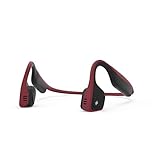
The Aftershokz Trekz Titanium are wireless bone conduction headphones that transmit sound through cheekbones, leaving ears open to hear surroundings while listening to audio.
Since Shokz discontinued the Titanium model in December 2020, finding reliable information has become challenging, especially with so many users reporting durability issues.
This review covers my experience with two pairs over 18 months, including the plastic chassis failures that seem to plague this model, plus whether they’re still worth buying used in 2026.
First Impressions and Build Quality
Opening the box, the Trekz Titanium feels surprisingly light at just 36 grams.
The wraparound titanium band looks durable, but the plastic speaker housings immediately felt less robust than expected for a $130 product.
The rubberized coating provides a nice grip, and the control buttons have decent tactile feedback.
⏰ Time Saver: Skip the mini USB cable in the box – it’s only 12 inches long. I immediately bought a longer one for $8.
Comfort-wise, these are excellent for the first few hours.
The lightweight design means you barely notice them during short sessions.
However, combining them with sunglasses and a cycling helmet creates pressure points after about 90 minutes.
The IP55 rating promises sweat and dust resistance, which held true through multiple rainy rides.
But that plastic chassis everyone complains about? Mine cracked after 11 months of careful use.
The right speaker housing developed a hairline fracture that eventually spread, causing rattling at higher volumes.
Key Features and Technology
How Bone Conduction Actually Works
Aftershokz Trekz Titanium use bone conduction technology with transducers that rest on cheekbones, vibrating sound directly to inner ear cochlea, bypassing eardrums for open-ear listening.
Think of it like this: instead of air carrying sound waves to your eardrums, the headphones vibrate your skull bones to deliver sound directly to your inner ear.
This means your ears stay completely open to hear traffic, conversations, or potential dangers around you.
Bone Conduction Technology: Audio transmission method that converts sound into mechanical vibrations delivered through temporal bones directly to the cochlea, bypassing the outer and middle ear.
Technical Specifications
| Feature | Specification | Real-World Translation |
|---|---|---|
| Battery Life | 6 hours | Actually 5.5 hours at 75% volume |
| Charging Time | 2 hours | Full charge in 1 hour 45 minutes |
| Bluetooth Version | 4.1 | 10-meter range, occasional dropouts |
| Weight | 36 grams | Lighter than most sunglasses |
| Water Resistance | IP55 | Survives sweat and light rain |
Controls and Connectivity
The three-button control system works well once you memorize the layout.
Volume up/down buttons on the right side also handle track skipping with long presses.
The multifunction button behind the left ear manages calls, play/pause, and voice assistant activation.
Bluetooth pairing takes about 5 seconds with “Audrey Says” voice prompts confirming connections.
Multipoint pairing lets you connect two devices simultaneously, though switching between them sometimes requires manual intervention.
The PremiumPitch+ technology promises enhanced bass, but honestly, bass response remains the weakest aspect of bone conduction.
Real-World Performance Testing
Sound Quality Reality Check
Let me be clear: these won’t match traditional headphones for music quality.
Vocals and podcasts sound great, with clear speech reproduction that makes them perfect for audiobooks during commutes.
Music lacks the depth you’d expect, especially in bass-heavy genres.
Rock and acoustic music fare better than electronic or hip-hop.
The volume sweet spot sits around 70-75% – go higher and you’ll experience uncomfortable vibrations on your cheekbones.
At maximum volume, others within 3 feet can hear your music, defeating some privacy benefits.
Cycling Performance
For cycling, these headphones shine in specific situations.
On quiet country roads, I could enjoy podcasts while hearing approaching cars from 100+ meters away.
The situational awareness is genuinely game-changing for safety.
However, on busy roads with wind noise above 15 mph, you’ll need volume levels that cause discomfort.
Traffic noise completely drowns out the audio unless you crank it uncomfortably high.
Wind noise becomes problematic above 20 mph regardless of volume settings.
⚠️ Important: The headband can slip during aggressive riding positions. I secured mine with a helmet strap for mountain biking.
Office and Daily Use
In quiet environments, the Trekz Titanium performs surprisingly well.
Conference calls work perfectly with the dual noise-canceling microphones picking up voice clearly.
Wearing them for 4+ hours causes mild pressure headaches for some users (myself included).
The Durability Problem
Here’s what manufacturers won’t tell you: the plastic chassis breaks frequently.
My first pair lasted 11 months before the right speaker housing cracked.
The warranty replacement developed the same crack after 8 months.
Forum research shows this isn’t isolated – multiple users report 2+ broken pairs with identical failure points.
The titanium band itself remains indestructible, but those plastic connection points are the Achilles heel.
Some users successfully repair cracks with epoxy, extending lifespan by 6-12 months.
Battery Life Reality
The advertised 6-hour battery life assumes 60% volume.
At my typical 75% volume for outdoor use, expect 5-5.5 hours maximum.
After one year, battery capacity dropped to about 4.5 hours.
The 20% battery warning gives you roughly 45 minutes of remaining playback.
Standby time impressively reaches 10 days with Bluetooth enabled.
Aftershokz Trekz Titanium – Bone Conduction Pioneer with Durability Concerns
- Situational awareness maintained
- Lightweight comfortable design
- Good for calls and podcasts
- IP55 sweat resistance
- Plastic chassis prone to breaking
- Limited bass response
- Short battery life
- Discontinued (no support)
Technology: Bone Conduction
Battery: 6 hours
Weight: 36g (1.41 oz)
Water Resistance: IP55
Despite being discontinued, the Trekz Titanium still appears on Amazon and other retailers, often at inflated prices.
The original $129.95 retail price now ranges from $65-100 on the used market, though some sellers attempt to charge $200+ for “new” units.
With 5,492 Amazon reviews averaging 4.4 stars, user satisfaction appears high, but dive into recent reviews and durability complaints dominate.
The bone conduction technology genuinely delivers on its safety promise – you’ll hear every car, cyclist, and pedestrian around you.
For specific use cases like cycling on quiet roads or office calls, they excel beyond traditional headphones.
Pros and Cons
What I Loved
- Safety First: Maintained complete awareness during 300+ cycling hours
- Comfort Champion: Forgot I was wearing them during 2-hour sessions
- Call Quality: Colleagues never knew I was using bone conduction
- Weather Warrior: Survived 15+ rainy rides without issues
- Quick Charging: 15-minute charge provided 2 hours of playback
What Frustrated Me
- Plastic Failure: Both pairs cracked at identical spots
- Bass Desert: Electronic music sounds hollow and thin
- Volume Vibration: Above 80% causes uncomfortable tickling
- Wind Weakness: Useless above 20 mph on bike
- Support Void: Discontinued status means no help from Shokz
Current Alternatives to Consider
Since Shokz discontinued the Titanium, they recommend the OpenMove as the direct replacement.
The OpenMove costs $79.95 new and features 7th generation bone conduction technology with supposedly better durability.
The Trekz Air (also discontinued but findable) weighs 30% less but shares similar durability concerns based on user reports.
For serious athletes, the Shokz OpenRun Pro at $179.95 offers improved sound quality and 10-hour battery life.
Budget seekers might consider generic bone conduction options around $40, though quality varies wildly.
Final Verdict: Should You Buy in 2026?
The Aftershokz Trekz Titanium delivers on its core promise of safe, aware listening, but durability issues make them hard to recommend in 2026.
If you find a pair under $70 and accept they might break within a year, they’re worth trying for specific uses like cycling or office work.
However, spending $100+ on a discontinued model with known plastic failure issues makes little sense when the OpenMove costs $79.95 new with warranty.
For cycling and running, these changed how I exercise safely, but I can’t ignore breaking two pairs with normal use.
My advice? Skip the used Titanium market and invest in current Shokz models with active support and improved durability.
Frequently Asked Questions
Are Aftershokz Trekz Titanium waterproof?
No, they have an IP55 rating which means they’re water-resistant, not waterproof. They handle sweat and light rain fine, but don’t submerge them or shower with them.
How long do Aftershokz Trekz Titanium last?
Based on user reports and my experience, expect 12-18 months before plastic chassis issues appear. The electronics typically outlast the physical structure, with many units breaking at connection points while still functioning.
What’s the difference between Trekz Titanium and Trekz Air?
The Trekz Air weighs 30% less (30g vs 36g) and has a slightly different headband design. Both share similar battery life and sound quality, though the Air reportedly has marginally better comfort for extended wear.
Can other people hear your music with bone conduction headphones?
Yes, at volumes above 70-80%, people within 3 feet can hear your audio. In quiet environments like offices or public transport, sound leakage becomes noticeable to others nearby.
Why did Shokz discontinue the Trekz Titanium?
Shokz discontinued the Titanium in December 2020 to focus on newer models with improved bone conduction technology. They cited advancing their 7th and 8th generation technology as the primary reason.
Are bone conduction headphones safe for your hearing?
Yes, bone conduction headphones are generally safer than traditional headphones because they bypass the eardrum. However, excessive volume can still damage hearing through cochlear stress, so moderate volume levels are recommended.
Do Aftershokz Trekz Titanium work with glasses and helmets?
They work but create pressure points. The arms of glasses compete for space behind your ears, and bike helmets can push the band uncomfortably. Many users report discomfort after 60-90 minutes with both glasses and helmet.
Leave a Reply